 GambleLore
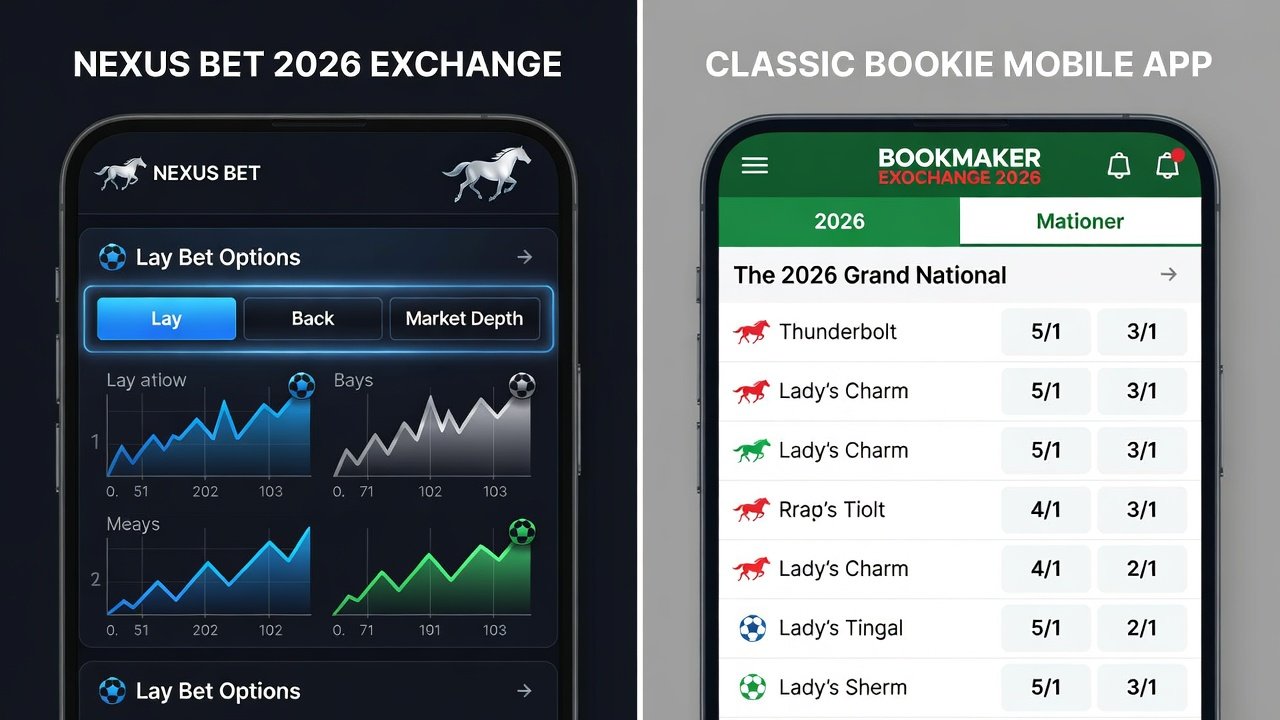
Introduction to Betting Exchanges and Bookmakers
In 2026, intermediate bettors seeking to optimize their sports betting tips and horse racing tips encounter a pivotal decision between traditional bookmakers and betting exchanges. These platforms enable wagers on diverse events ranging from major football leagues to thoroughbred horse racing, yet they operate under fundamentally distinct models that influence profitability, flexibility, and risk profiles. Traditional bookmakers function as the house, setting odds and absorbing the opposite side of each bet, while exchanges facilitate peer-to-peer matching where participants can both back and lay selections. This distinction empowers advanced users to employ sophisticated tactics unavailable elsewhere, ultimately supporting higher potential returns when executed with discipline and market insight.
The following comprehensive analysis explores commission frameworks, liquidity dynamics, odds competitiveness, and strategic applications including laying bets. Readers will find detailed account setup procedures, multiple real-world trade examples, an expanded feature comparison, and actionable checklists. Emphasis is placed on risk management to ensure sustainable participation throughout the year.
What Are Betting Exchanges?
Betting exchanges function as digital marketplaces connecting individual bettors directly, eliminating the traditional bookmaker as the counterparty. Users post their own odds and either back an outcome they believe will occur or lay one they expect to fail. This peer-to-peer structure creates opportunities for price discovery driven purely by supply and demand rather than institutional margins. Popular exchanges maintain deep liquidity in high-profile markets such as Premier League fixtures and major racing festivals, enabling substantial stakes with minimal price slippage. Niche events may exhibit thinner liquidity, requiring careful order placement to avoid unfavorable fills. The ability to trade in and out of positions before an event concludes further distinguishes exchanges, allowing bettors to lock in profits or cut losses dynamically based on live developments.
Regulatory oversight ensures fair play, though participants must verify platform licensing in their jurisdiction. Many exchanges also integrate data feeds and charting tools that assist in identifying value discrepancies across related markets.
What Are Traditional Bookmakers?
Traditional bookmakers establish fixed odds for each selection and profit from the collective margin embedded across all available outcomes. This model delivers straightforward user experiences with rapid bet placement, extensive pre-match and in-play options, and frequent promotional incentives such as enhanced odds or free bets. Leading operators invest heavily in user interfaces, live streaming, and customer support, making them accessible entry points for those new to wagering. However, the fixed nature of odds limits strategic depth; users cannot lay selections or hedge positions internally with the same ease found on exchanges. Bookmakers frequently adjust prices in response to incoming liability rather than pure market sentiment, which can occasionally create temporary value but also introduces greater variance for consistent winners.
Many maintain loyalty programs and cash-out features that provide partial flexibility, yet these tools remain secondary to the core backing-only framework.
Key Differences: Commission, Liquidity, Odds Quality and Platform Features
Commission structures represent one of the most significant variances. Exchanges typically apply a modest percentage fee solely on net winnings after a bet settles, whereas bookmakers incorporate their profit margin directly into the quoted odds. Liquidity levels fluctuate by market depth; exchanges often excel in popular events where thousands of users contribute to tight spreads, while bookmakers guarantee fixed availability up to published limits. Odds quality on exchanges frequently reflects sharper, consensus-driven pricing because participants compete openly. Bookmakers may offer competitive early prices or specials but generally widen margins to protect against sharp action. Additional differences include settlement speed, availability of exotic bet types, and integration with third-party data providers.
BBC Sport provides regular updates on how market movements affect odds across both platform types.
Advanced Strategies Including Laying Bets, Hedging and Arbitrage
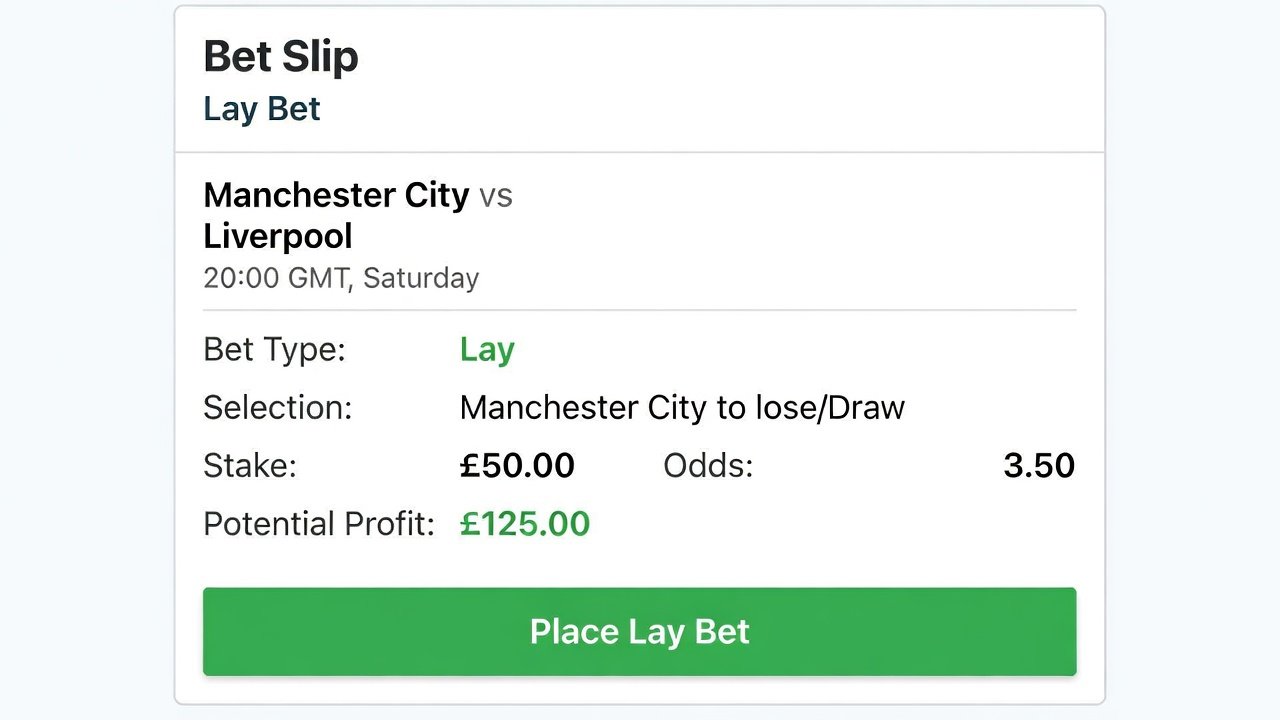
Laying bets constitutes the cornerstone advanced feature exclusive to exchanges. By offering odds against an outcome, users effectively become the bookmaker for that selection and profit when the event does not materialize. This capability enables powerful hedging: a bettor who has backed a team at longer odds can later lay the same selection at shorter odds to guarantee a return irrespective of the final result. Arbitrage opportunities arise when discrepancies appear between exchange prices and bookmaker lines, allowing simultaneous positions that lock in small but reliable edges across multiple accounts. Step-by-step account setup on an exchange begins with identity verification, followed by secure deposit, navigation to the exchange tab, selection of back or lay, and confirmation of stake and price. Bookmaker registration follows a comparable verification path yet restricts activity to backing only. Mastering these mechanics requires practice in low-stakes environments before scaling.
Real-World Examples of Profitable Trades
Consider a high-stakes tennis semifinal where an exchange displays superior odds on an in-form underdog due to balanced liquidity from global users. A bettor backs the underdog early, then monitors live scoring to lay the same player at improved odds if momentum shifts, securing a locked profit. In horse racing, laying a heavily supported favorite in a large field after identifying negative pace angles can yield consistent edges when combined with detailed form study and sectional timing data. Another scenario involves football accumulators: backing several selections at bookmaker-enhanced prices while simultaneously laying the entire accumulator on an exchange at shorter odds can neutralize variance and convert promotional value into guaranteed returns. These examples illustrate how combining platforms multiplies strategic options beyond single-account limitations.
Comparison Table of Fees and Features
| Feature | Betting Exchange | Traditional Bookmaker |
|---|---|---|
| Commission or Margin | Small percentage on net winnings only | Embedded in odds, wider margins typical |
| Laying Capability | Full support for laying any selection | Not available |
| Liquidity and Stake Limits | Market-driven, often high on majors | Operator-set maximums |
| Odds Competitiveness | Market-reflective, frequently sharper | Promotional boosts available |
| Strategy Flexibility | Advanced hedging and trading | Basic backing and cash-out |
| Promotions and Bonuses | Limited to loyalty credits | Frequent welcome and enhanced offers |
Checklist for Choosing the Right Service in 2026
- Evaluate target markets for sufficient liquidity to accommodate your typical stake sizes.
- Compare effective costs by simulating returns on identical selections across platforms.
- Test mobile and desktop interfaces for speed and reliability during live events.
- Review available risk-management tools such as deposit limits and self-exclusion options.
- Confirm regulatory licensing and customer fund segregation policies.
- Assess customer support responsiveness for dispute resolution.
- Consider integration with form databases or tipster services you already use.
Risk Management Best Practices
Successful long-term participation demands strict bankroll allocation, typically risking no more than a small percentage of total funds on any single position. Diversifying across backing and laying reduces directional bias, while maintaining detailed records of every trade facilitates performance review and strategy refinement. Emotional discipline remains essential; avoiding chase betting after losses prevents rapid erosion of capital. Users should also stay informed about regulatory changes that may affect platform availability or tax treatment in their region.
FAQs on Risk Management and Platform Selection
How should beginners approach platform selection?
Start with a reputable bookmaker to learn basic bet placement, then transition to an exchange once comfortable with odds formats and laying mechanics.
What risk controls are most effective?
Implement session time limits, predefined loss thresholds, and regular account audits. Combine these with staking plans that scale only after proven profitability.
Are there differences in settlement speed?
Exchanges often settle instantly upon official results, while some bookmakers may require additional confirmation for complex markets.
Which option better supports horse racing tips?
Exchanges frequently provide superior value in racing due to deeper liquidity and the ability to lay overbet runners identified through detailed analysis.
The Guardian Sport offers ongoing coverage of industry developments and responsible practices.
UK Gambling Commission publishes official guidance on licensed operators and player protections.
Conclusion
Betting exchanges deliver unmatched strategic depth through laying and peer-driven pricing, making them ideal for intermediate users aiming to maximize returns on sports and horse racing in 2026. Traditional bookmakers continue to serve as convenient gateways with promotional advantages. By applying the expanded checklists, studying real trade examples, and adhering to disciplined risk protocols, bettors can confidently select and combine platforms for optimized long-term results.
For more on player protections visit our responsible gambling resources.
No comments yet. Be the first!