 GambleLore

Introduction to Betting Performance Tracking
Effective tracking transforms random wagers into measurable data that drives smarter decisions. By logging every bet, bettors gain insights into what works, allowing refinement of sports betting tips and horse racing tips throughout 2026. This approach emphasizes discipline over intuition, turning raw numbers into actionable improvements that compound over time. Whether you focus on football, tennis, or thoroughbred racing, consistent records reveal patterns hidden in day-to-day results. The process starts simple but scales with your experience, helping both novices and seasoned punters avoid emotional decisions based on recent wins or losses.
Many bettors overlook the power of systematic recording, yet those who commit to it often see steady gains. In 2026, with more data tools available than ever, starting a tracking habit positions you ahead of the curve. This guide covers everything from basic setup to advanced analysis, ensuring you build a robust system tailored to your betting style.
Setting Up a Simple Tracking System
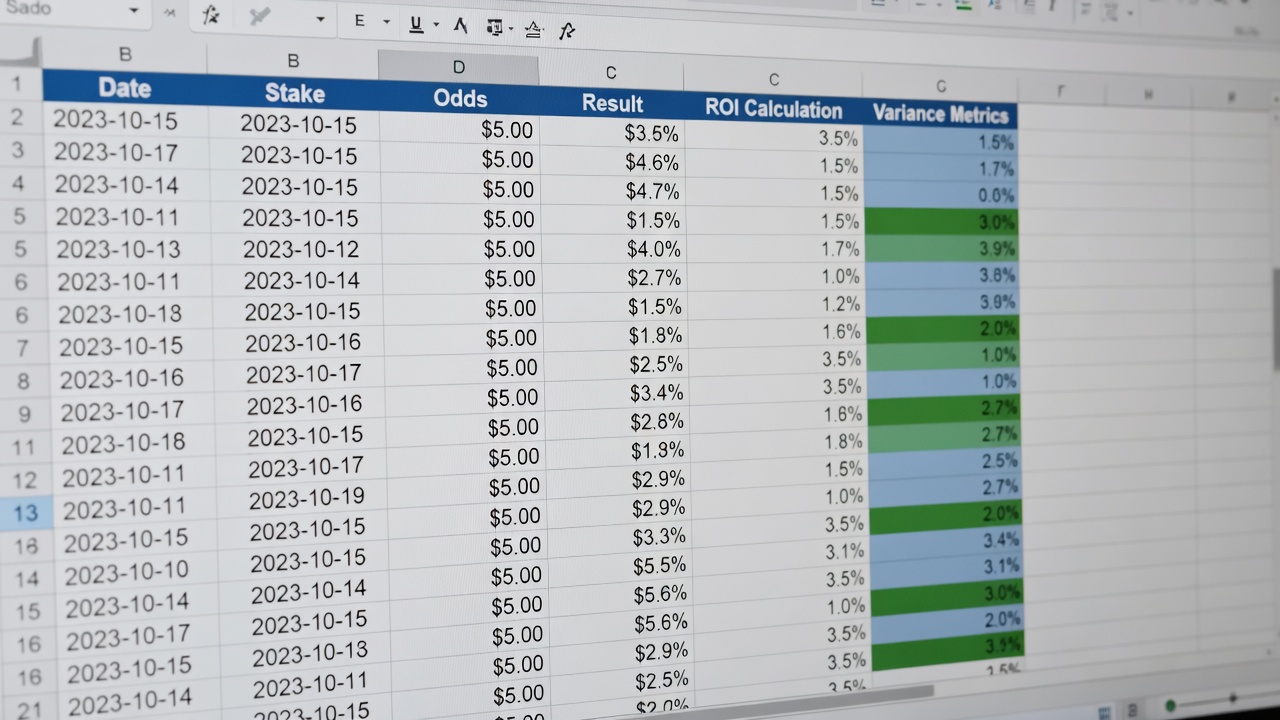
Begin with a basic spreadsheet using columns for date, sport or race type, selection, stake, odds, result, and profit or loss. Add fields for notes on why the bet was placed and any external factors like weather for horse racing. Update entries immediately after each wager to maintain accuracy. For step-by-step implementation, create a new sheet, label the headers clearly, and use formulas to auto-calculate totals such as cumulative profit and average stake per bet. Review the sheet weekly to spot early trends before they grow into costly habits.
Expand your columns over time to include bookmaker used, bet type (single, double, or each-way), and closing odds versus opening odds. This extra detail helps identify value opportunities missed during live betting. Practical example: a user tracking Premier League matches might note pitch conditions and team news, revealing that bets on underdogs perform better after midweek fixtures. Test your system on paper for the first ten bets before moving fully digital to iron out any usability issues.
Calculating Key Metrics: ROI, Win Rates, and Variance
Return on investment measures overall profitability by dividing net profit by total stakes. Win rate tracks success percentage across bets placed. Variance highlights swings in results, helping distinguish skill from luck over short periods. Apply these formulas consistently. For example, a 25 percent win rate at high odds can outperform a 45 percent rate at low odds when ROI is prioritized. Track variance monthly to adjust stake sizes during losing streaks and prevent overreaction to temporary downturns.
Break down metrics by category for deeper insight. Calculate separate ROI for home versus away games or for sprint races versus staying races. This segmentation shows where your edge truly lies. Over a season, monitor how variance affects bankroll drawdowns, using simple standard deviation calculations in your spreadsheet to quantify risk levels. Regular metric reviews turn vague feelings about performance into precise, data-backed adjustments.
Comparing Free Tools Versus Paid Software
Free options like Google Sheets or Excel provide full customization without cost, ideal for beginners building custom reports. Paid platforms add automated imports from betting exchanges, advanced charting, and mobile apps for on-the-go updates. Free tools require manual entry but offer complete control. Paid solutions save time yet may include features unnecessary for casual users. Test both approaches over a month to decide what fits your workflow and long-term needs.
Consider integration capabilities when choosing. Free spreadsheets work well with manual data but can become cumbersome after hundreds of entries. Paid software often connects directly to multiple bookmakers, reducing errors and freeing time for analysis instead of data entry. Many users start free and upgrade only when their volume justifies the switch, ensuring the investment matches actual usage patterns.
Real 2026 Case Studies Showing Performance Gains
One bettor improved ROI by 18 percent after six months of detailed logging by identifying over-betting on favorites in evening races. Another used variance analysis to reduce stake sizes during high-volatility periods, cutting losses by nearly one-third while maintaining the same win rate. A third case involved a horse racing enthusiast who segmented data by track and discovered a consistent edge on left-handed courses during winter months, leading to a 22 percent uplift in returns over the following quarter.
These examples demonstrate how data reveals blind spots quickly. Seasonal adjustments, such as focusing on turf versus all-weather tracks, further boosted results when combined with tracking insights. Reviewing full-year reports allowed these bettors to refine their sports betting tips and horse racing tips with evidence rather than guesswork, proving that sustained tracking delivers compounding benefits across multiple seasons.
Using Trends to Adjust Betting Strategies
Once data accumulates, look for recurring patterns such as stronger performance on certain days of the week or against specific opponents. Adjust stake sizes upward for high-confidence categories and scale back elsewhere. Incorporate external factors like form cycles or market movements into your analysis to stay ahead of bookmakers. Regular trend reviews keep strategies fresh and responsive to changing conditions throughout 2026.
Avoiding Common Tracking Errors
- Forgetting to record small or recreational bets that skew overall statistics and create an incomplete picture of true performance.
- Ignoring contextual notes that explain why certain selections underperformed, missing opportunities to refine future selections.
- Over-relying on short-term data without allowing enough sample size for reliable conclusions, which often leads to premature strategy changes.
- Failing to separate different bet types, such as singles versus accumulators, resulting in misleading aggregated metrics.
- Not updating odds at the time of placement versus settlement, which distorts value calculations over time.
Seasonal Analysis for Horse Racing Tips
Horse racing performance varies significantly by season. Spring and autumn often favor speed-oriented runners, while summer brings firmer ground that rewards stamina. Log track conditions alongside results to build seasonal filters in your tracking system. Compare monthly win rates across different race distances and surfaces to reveal optimal periods for specific strategies. This evidence-based approach enhances horse racing tips with concrete patterns instead of assumptions. For official guidance on race conditions and fixtures, refer to British Horseracing Authority resources.
Turning Data Into Actionable Betting Tips
Review reports quarterly to adjust strategies. Increase stakes only on high-ROI categories and pause others showing consistent negative variance. Share anonymized findings with communities for additional perspectives while protecting personal bankroll details. Combine insights with broader market research from sources such as BBC Sport analysis to validate your trends. Over time, this cycle of logging, reviewing, and refining creates a personalized edge that evolves with the 2026 betting landscape.
FAQ
How long before tracking data becomes reliable? Most bettors need at least 200-300 recorded bets across varied conditions for meaningful insights that withstand scrutiny.
Should I track every single bet or just serious wagers? Record everything to avoid selection bias that distorts true performance metrics and hides valuable lessons from low-stake experiments.
What is the best way to handle multi-leg bets in logs? Break them into individual components for accurate per-selection analysis while noting the overall stake and combined odds.
Can tracking help with responsible gambling? Yes. Clear records promote awareness of spending patterns and encourage breaks when variance signals trouble. For further guidance visit the UK Gambling Commission.
Consistent tracking remains the foundation for long-term success in both sports and racing markets. Start today and refine continuously through 2026.


No comments yet. Be the first!