 GambleLore

Introduction: The Rise of AI in Online Casino Evaluation
In 2026, players seeking reliable insights into online casinos increasingly turn to AI-powered reviews. These advanced systems analyze vast datasets to deliver objective evaluations of bonuses, safety, and player value. Unlike traditional reviews reliant on manual checks, AI delivers faster, more consistent results that align with real player search intent for data-backed decisions. The shift toward artificial intelligence reflects broader industry trends where machine learning processes millions of data points daily, from bonus structures to withdrawal success rates. Players benefit from reduced guesswork and enhanced transparency, particularly when evaluating promotions that can significantly impact bankrolls. This comprehensive approach helps address common pain points such as hidden wagering requirements and unreliable payout timelines.
How AI Algorithms Evaluate Casino Bonuses
Modern AI tools parse bonus terms, wagering requirements, and payout speeds using natural language processing and machine learning models. They cross-reference historical payout data and player feedback to score offers on fairness and expected value. This approach helps identify truly rewarding promotions while flagging those with hidden restrictions. For example, an AI system might analyze a welcome bonus by breaking down playthrough conditions across thousands of simulated sessions, calculating the probability of meeting requirements based on average game RTPs. In one detailed case, algorithms flagged a seemingly generous offer because the fine print limited eligible games to low-RTP slots, reducing overall player value by an estimated 30 percent compared to competitors. Such granular analysis goes far beyond surface-level marketing claims.
Automated Rating Systems Explained
Automated systems aggregate metrics such as game variety, mobile compatibility, customer support response times, and licensing status. AI continuously updates scores as new data arrives, ensuring ratings reflect current conditions rather than static snapshots. Integration with live regulatory feeds further strengthens accuracy. These platforms often incorporate sentiment analysis from player forums and review aggregators, weighting recent experiences more heavily. A robust system might track over 50 individual factors, dynamically adjusting weights based on emerging patterns like increased complaint volumes about verification delays. This real-time adaptability sets AI ratings apart from annual manual audits that quickly become outdated.
Predictive Analytics for Player Outcomes
Predictive models forecast potential returns and risk levels based on individual playing styles. By simulating thousands of sessions, AI highlights casinos where long-term outcomes favor players. UK Gambling Commission guidelines emphasize transparency, which AI reviews now incorporate directly into outcome predictions. Advanced models also factor in volatility measures and bonus contribution rates, providing personalized forecasts. Players can input their preferred stake levels and session lengths to receive tailored projections showing break-even points and expected value over time. This level of customization supports more strategic bankroll management.
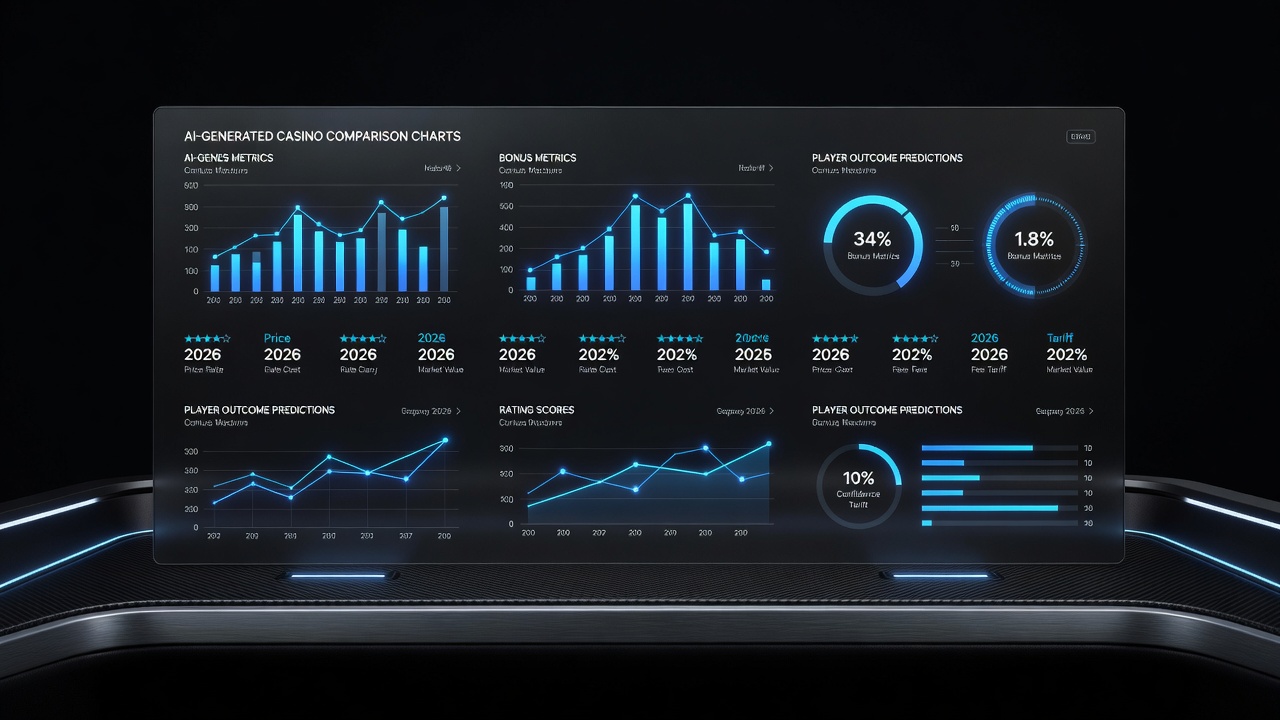
Step-by-Step Guide: Using AI Tools to Compare Casinos
- Input your preferred game types and bonus expectations into an AI comparison platform.
- Review the algorithm-generated scores for key metrics including bonus value and withdrawal reliability.
- Examine predictive outcome charts showing projected returns over 100 sessions.
- Cross-check licensing details pulled automatically from official registries.
- Finalize your shortlist by comparing AI insights against recent player sentiment analysis.
- Adjust filters for regional restrictions or payment method preferences to refine results further.
- Export comparison reports for offline review and decision documentation.
Real-World Case Studies of Improved Decision-Making
One European player used AI review tools to identify a casino offering a bonus with 25x wagering that delivered consistent small wins, avoiding several high-requirement traps. Another case involved a North American user who leveraged predictive analytics to select a site with superior mobile payout speed, resulting in faster access to winnings. A third example from Asia demonstrated how AI flagged a newly launched platform with incomplete licensing data, preventing potential fund security issues before deposit. These cases illustrate how data-driven insights translate into tangible improvements in player outcomes and reduced frustration.
Traditional Reviews Versus AI-Enhanced Reviews
Traditional reviews often rely on subjective experiences and infrequent updates. AI-enhanced versions process thousands of data points daily, reducing bias and highlighting emerging trends. The result is greater reliability for players prioritizing evidence over opinion. A side-by-side comparison reveals that traditional methods may excel in capturing qualitative aspects like site atmosphere, while AI provides unmatched quantitative depth. Hybrid approaches combining both yield the most balanced evaluations.
- Traditional: Limited to reviewer sample size and personal bias.
- AI-Enhanced: Scalable across global datasets with continuous learning.
- Traditional: Slower response to regulatory or promotional changes.
- AI-Enhanced: Instant adaptation to new information streams.
Practical Integration with Casino Ratings Metrics
AI seamlessly combines established metrics like RTP percentages and support quality with new variables such as real-time bonus availability. This creates holistic scores that adapt to market changes and regulatory updates. Integration often involves API connections to casino databases and third-party auditors, allowing seamless incorporation of live game libraries and user verification success rates. Players gain access to layered dashboards where they can drill down into specific categories, such as how a casino performs for high-rollers versus casual users.
Limitations and Challenges of AI in Casino Reviews
While powerful, AI systems can struggle with nuanced regional regulations or very new casinos lacking historical data. Over-reliance on algorithms without human oversight may miss subtle red flags. Players should always verify final choices against official sources such as Responsible Gambling Council. Additional challenges include potential algorithmic blind spots around cultural differences in player behavior and the need for ongoing model training to maintain relevance amid evolving game mechanics.
Common Mistakes to Avoid When Using AI Casino Reviews
Many players overlook the importance of cross-verifying AI outputs with primary regulatory sites. Another frequent error involves ignoring personal risk tolerance when interpreting predictive forecasts. Users should also avoid treating AI scores as absolute rankings without considering their unique preferences for game types or deposit methods. Regularly updating input parameters ensures the recommendations remain aligned with current playing habits.
How to Choose the Right AI Review Tool
Look for platforms that disclose their data sources and update frequency. Prioritize tools offering customizable filters and exportable reports. Reading independent audits of the AI methodology can provide additional confidence in the system's reliability. Testing multiple tools on the same set of casinos helps identify which provides the most actionable insights for your specific needs.
Conclusion
AI-powered casino reviews in 2026 offer players unprecedented clarity when evaluating bonuses and overall value. By combining algorithmic precision with predictive insights, these tools support more informed choices while complementing traditional expertise. As technology evolves, the balance between automation and human judgment will continue to define trustworthy review platforms.
FAQ: AI Reliability in Casino Reviews
Is AI completely accurate for bonus evaluations?
AI provides highly consistent analysis but works best when combined with official regulatory checks for the latest terms. Continuous model refinement helps address edge cases, yet human review of complex jurisdictional rules remains valuable.
Can predictive analytics guarantee wins?
No tool can guarantee outcomes; predictions reflect statistical likelihoods based on historical patterns. They serve as decision-support resources rather than certainties, helping players set realistic expectations for session results.
How often do AI ratings update?
Leading systems refresh scores daily or in real time as new data becomes available from casinos and regulators. This frequency ensures users access the most current information on promotions and compliance status.
Should players trust AI over personal experience?
Use AI as a primary filter and supplement with your own testing for the most balanced decisions. Combining both approaches maximizes the strengths of data-driven insights and firsthand verification.


No comments yet. Be the first!