 GambleLore
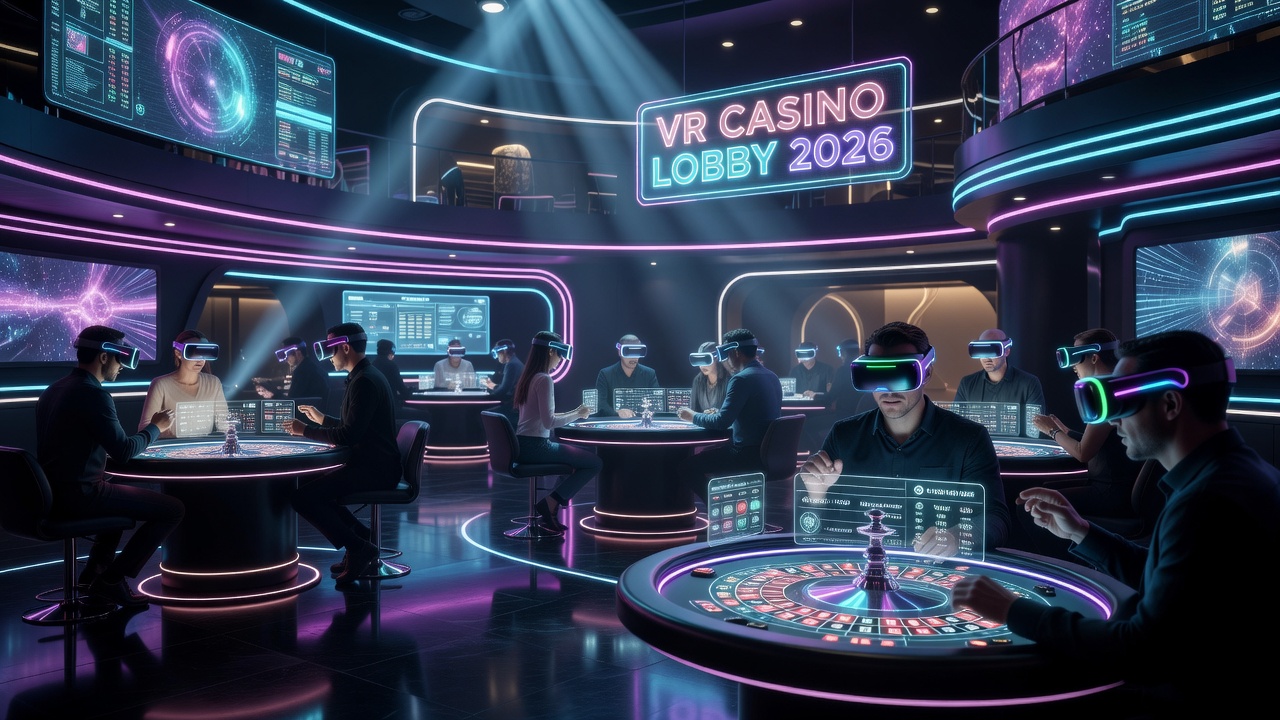
Introduction to VR Casino Gambling in 2026
Virtual reality has transformed online gambling by offering fully immersive experiences that replicate the thrill of physical casinos. In 2026, players can step into realistic virtual lobbies, interact with dealers and other users, and enjoy slots or table games with natural hand movements. This tutorial provides a complete guide for beginners and experienced users seeking to access VR casinos, from hardware setup to advanced performance optimization. The technology blends high-fidelity graphics with real-time social interaction, allowing participants to feel as though they are physically present at a casino floor without leaving home. Search trends show growing interest in tutorials that combine technology explanations with practical gambling advice, helping users avoid common pitfalls while maximizing enjoyment.
VR casinos combine cutting-edge technology with traditional gambling formats, creating social and engaging environments. Whether you are new to virtual reality or looking to upgrade your online play, understanding the requirements and navigation steps ensures a smooth entry into this evolving space. Beyond basic access, players benefit from understanding how motion tracking enhances gameplay and how social features foster community, making sessions more dynamic than standard screen-based options.
Essential Setup Requirements for VR Casinos
Before entering any VR casino, confirm your hardware meets minimum specifications. Compatible headsets include Meta Quest series devices and high-end PC-tethered options like Valve Index. You will also need a stable internet connection of at least 50 Mbps for low-latency streaming and a gaming PC or standalone headset with sufficient processing power. Room-scale tracking requires at least 2 by 2 meters of clear physical space to move freely without collisions. Software prerequisites involve installing the latest version of the headset's operating system and any casino-specific applications from official stores. Lighting conditions in your play area matter greatly; bright, even illumination improves inside-out tracking accuracy on standalone devices. Users with prescription glasses should check compatibility with headset lens inserts to maintain clear visuals during extended play.
Popular platforms hosting VR casino content in 2026 include dedicated apps within the Meta Quest store and browser-based access through major online operators. Always verify platform compatibility on the headset's official store before downloading software. For tethered systems, ensure your graphics card supports the required resolutions and frame rates recommended by manufacturers. Resources on the Meta website provide detailed setup guides for Quest headsets, while Valve users can reference documentation at Valve's official site for Index calibration procedures.
Step-by-Step Guide to Entering a VR Casino Lobby
1. Power on your headset and ensure it is updated to the latest firmware. This step prevents compatibility errors that can interrupt lobby loading.
2. Launch the VR casino application or navigate to the operator's VR portal via the browser. Search for the app using voice commands or the built-in store interface.
3. Create or log into your account using secure credentials, completing any required identity verification. Two-factor authentication adds an extra layer of protection against unauthorized access.
4. Select a virtual lobby from the available options, often themed around classic casino aesthetics or modern designs. Preview thumbnails help choose environments matching your preferred atmosphere.
5. Customize your avatar and adjust comfort settings such as room scale and height calibration. Fine-tuning these parameters reduces motion sickness risks during longer sessions.
Once inside, use the virtual menu to browse game categories. Motion tracking allows you to physically walk around the lobby and interact with objects using hand controllers. Many lobbies feature interactive elements like virtual bars or seating areas where avatars can gather between games.
Practical Gameplay Examples: Slots and Table Games
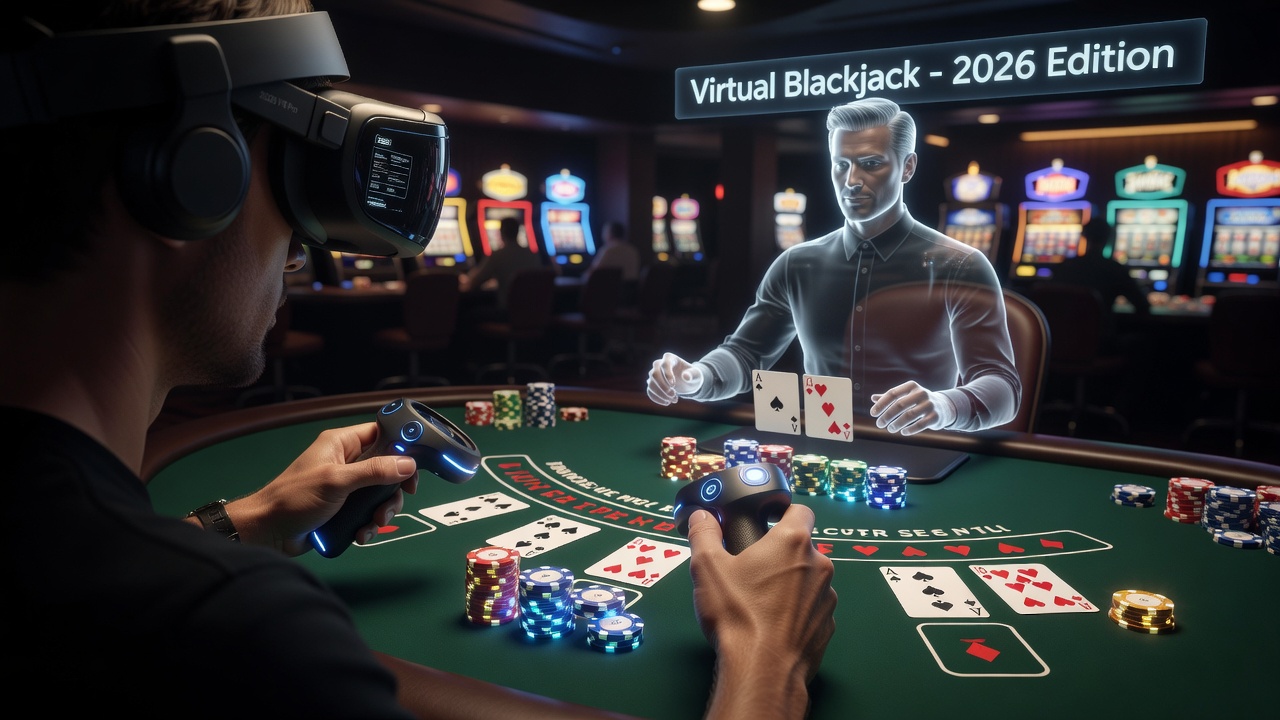
VR slots deliver an enhanced experience compared to flat screens. Approach a machine, grab the lever with your controller, and watch reels spin in three dimensions. Popular titles feature interactive bonus rounds where you physically reach into the environment to collect prizes, such as pulling virtual levers or selecting objects scattered across a 3D scene. For instance, a themed slot might require stacking symbols by hand to trigger multipliers, adding tactile feedback absent in traditional digital versions.
For table games, blackjack and roulette stand out. Sit at a virtual table, place chips by grabbing and releasing them onto betting areas, and communicate with AI or live dealers through voice chat. Roulette involves spinning the wheel yourself for added realism, with the ball's physics simulated accurately to match real-world probabilities. Poker variants allow peeking at hole cards by lifting them slightly with controllers, mimicking physical handling. These mechanics encourage strategic thinking while providing visual and auditory immersion that heightens tension during critical decisions.
Motion Controls, Social Features, and Performance Tips
Motion controls rely on inside-out tracking for precise hand movements. Practice basic gestures in the lobby tutorial to master chip handling and card interactions. Common issues like tracking drift can be resolved by recalibrating sensors or ensuring adequate lighting in your physical play space. Advanced users often map custom button layouts for quicker bets, improving response times in fast-paced games.
Social features allow real-time conversations with other players and dealers, fostering a community atmosphere. Many platforms include private tables for friends and global chat options. Voice modulation tools let users adjust tones for privacy, while gesture-based emotes enable non-verbal communication like thumbs-up approvals after wins.
To avoid technical problems, follow these performance tips:
- Close background applications to free up system resources and maintain consistent frame rates.
- Use a wired connection when possible for reduced latency compared to wireless setups.
- Monitor headset temperature during extended sessions and take breaks every 45 minutes to prevent overheating.
- Regularly update software from manufacturers to incorporate bug fixes and new tracking algorithms.
- Adjust IPD settings for optimal visual clarity and reduced eye strain over time.
- Test controllers in a neutral environment before entering high-stakes tables to confirm responsiveness.
Implementing these steps leads to smoother gameplay and fewer interruptions.
VR Casinos vs Traditional Online Formats
VR experiences provide superior immersion and social interaction compared to standard 2D online casinos. While traditional platforms offer quicker loading times and broader device compatibility, VR adds physical engagement that increases enjoyment for many users. Hybrid options now exist where players can switch between modes seamlessly, allowing flexibility based on available hardware or time constraints. The depth of presence in VR often translates to more deliberate betting decisions, as the environment encourages focus similar to land-based venues.
Common Mistakes to Avoid
New users frequently overlook physical space boundaries, leading to collisions or tracking loss. Another error involves skipping avatar calibration, which distorts scale and affects game interactions. Failing to update firmware regularly can expose players to security vulnerabilities or performance bugs. Overlooking comfort settings like vignette effects may cause nausea during rapid movements. Always review operator terms for regional restrictions before committing funds or time.
Frequently Asked Questions
What are the costs involved in VR casino gambling?
Entry typically requires only standard online casino deposits, with hardware costs varying by headset model. No additional platform fees apply beyond game stakes.
How safe is playing in VR casinos?
Reputable operators use encrypted connections and responsible gambling tools. Always choose licensed platforms and set session limits to maintain control.
Conclusion
Mastering VR casino gambling opens new dimensions of online entertainment in 2026. By following the setup steps, practicing controls, and applying performance tips, players can enjoy immersive sessions while staying safe. Start with compatible hardware and explore lobbies gradually to maximize your experience. With attention to detail and ongoing updates, VR gambling continues to evolve as a compelling alternative to conventional methods.

No comments yet. Be the first!