 GambleLore

Introduction: Why Mental Game Edges Matter in 2026
Texas Hold'em tournament players in 2026 face longer MTT sessions, deeper stacks, and higher variance than ever before. While technical skills like range construction and ICM decisions remain essential, the separating factor between consistent winners and those who flame out is often psychological resilience. This guide delivers practical, advanced mental game strategies that go far beyond basic tilt control, helping intermediate to advanced players build unshakable focus throughout extended play. Many players invest heavily in solvers and coaching but neglect the mental side. Research from performance psychology shows that elite athletes in high-stakes environments maintain focus through structured routines rather than raw talent alone. Poker is no different. Sustaining peak performance requires deliberate preparation before sessions, real-time resets during play, and structured recovery afterward. Players who master these elements report fewer emotional leaks and better decision quality even after 10-hour grinds.
Pre-Session Visualization Routines
Start every session with a 10-15 minute visualization practice. Close your eyes and mentally rehearse key scenarios: defending blinds against 3-bets, navigating river decisions with 30 big blinds, and staying composed after a bad beat. Visualize the physical sensations—breathing steadily, posture relaxed, eyes scanning the table calmly. Player example: Professional MTT grinder Maria “M” Konnikova uses visualization before major events to simulate final table pressure. She mentally walks through calling all-ins with marginal hands while maintaining emotional neutrality. This primes her brain to treat real pressure as familiar territory. Practical steps include: sit in a quiet space, breathe deeply for two minutes, run through three specific hand types you expect to face, and end by affirming your process goals such as committing to each decision without outcome attachment. Repeat the routine daily for two weeks to build automaticity. Advanced players add sensory details like the sound of chips or the feel of the mouse to make visualizations more vivid and transferable to live play.
Real-Time Focus Anchors During Play
Long MTTs test concentration over 8-12 hours. Use tactile or verbal anchors to reset attention instantly. A common anchor is pressing your thumb and forefinger together while repeating a short phrase like “one hand at a time.” Another effective method is the 5-4-3-2-1 grounding technique: name five things you see, four you hear, three you feel, two you smell, and one you taste. This pulls you back from wandering thoughts or tilt spirals within seconds. Additional anchors include a quick posture reset—rolling shoulders back and taking one deliberate breath—or a silent mantra tied to your pre-session visualization. Practice these anchors away from the table first so they become second nature when variance spikes. 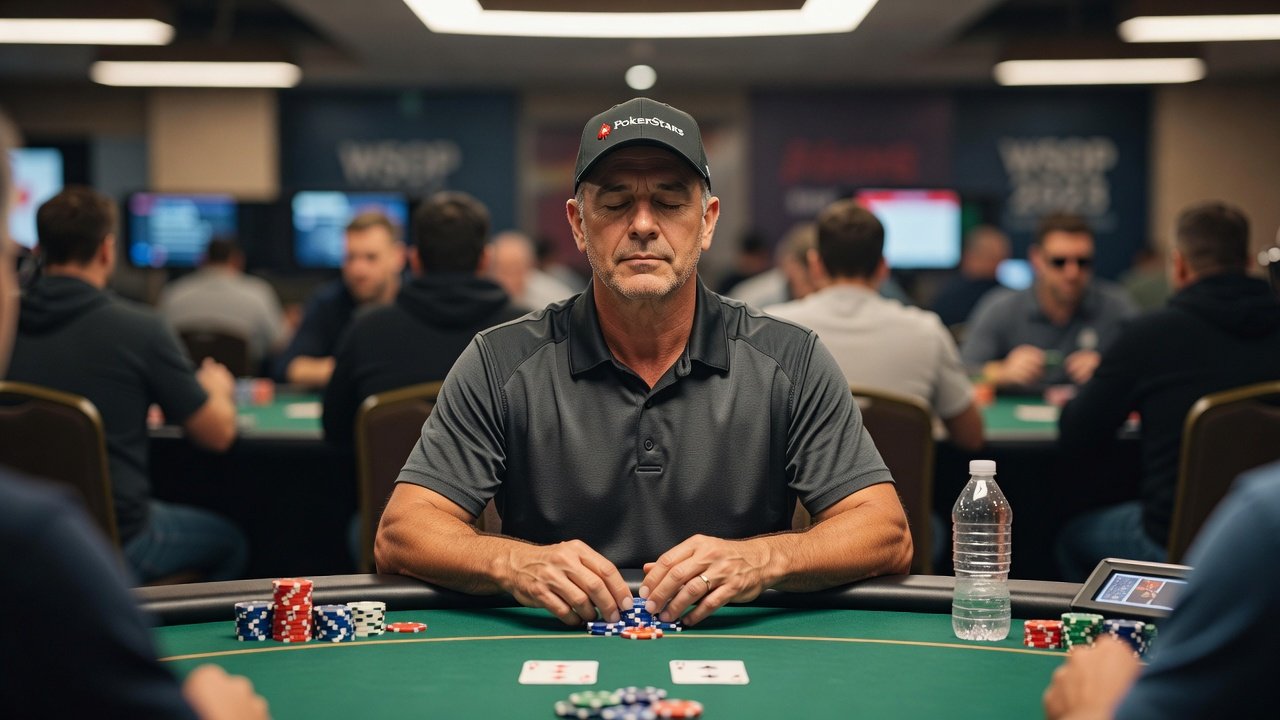
Post-Session Recovery Protocols
After logging off, avoid immediate analysis of every hand. Instead, follow a 20-minute wind-down: light stretching, a short walk, or journaling three things that went well. Only then review hands with objective notes. Recovery also includes sleep hygiene. Aim for consistent bedtimes even after late finishes. Players who skip recovery see decision quality drop by the third consecutive long session. Incorporate nutrition by eating a balanced meal within an hour of ending play and staying hydrated throughout the day. Some pros schedule light exercise the next morning to clear mental fog before the next session begins.
Handling Variance Swings
Variance is the hidden opponent in every MTT schedule. When downswings hit, players often abandon proven strategies. Counter this by maintaining a variance journal that logs both results and emotional state after each session. Review the journal weekly to identify patterns, such as increased aggression after losses. Set process-based goals like “maintain preflop discipline regardless of stack size” instead of result goals. This approach keeps focus on controllable factors during inevitable swings.
Integrating Mindfulness Without Disrupting Strategy
Mindfulness does not mean meditating between hands. It means noticing thoughts without judgment so you can return to strategy. Apps like Headspace offer short poker-specific guided sessions, but the core practice is simple breath awareness during orbit breaks. Link to authoritative mindfulness resources: World Health Organization mental health guidance emphasizes brief daily practices for sustained attention. American Psychological Association resources further explain how mindfulness improves decision-making under pressure without requiring extra time at the table.
Comparing Mental and Technical Edges
Technical study might add 5-10% EV over a year through better ranges. Mental training compounds daily by preventing leaks from fatigue or emotional decisions, often preserving 15-20% more of your edge during downswings. The two work together: strong mental routines allow you to execute technical knowledge consistently when it matters most. Players who ignore one side eventually leak value the other side created.
Common Mindset Pitfalls: FAQ
How do I stop obsessing over results during a downswing?
Track process metrics instead: hands played with full attention, adherence to pre-session routines, and quality of post-session notes. Results follow process over time.
Is visualization just positive thinking?
No. Effective visualization includes realistic scenarios, including tough spots and mistakes, so you rehearse adaptive responses rather than fantasy outcomes.
Can mental training replace technical study?
Never. The strongest players combine both. Mental work protects technical edges from erosion during variance.
What if I lose focus midway through a long final table?
Use your chosen anchor immediately and step away for 60 seconds if possible. Reset with a short breathing cycle before returning to action.
How long until these techniques show results?
Most players notice improved emotional control within two to three weeks of consistent practice, with measurable session stability appearing after 30-45 days.
Conclusion
Building unshakable focus in 2026 tournaments requires deliberate practice of visualization, anchors, recovery, and mindful awareness. Players who treat mental game as seriously as GTO ranges gain a durable advantage that compounds across hundreds of sessions. Start with one routine today and layer others as consistency builds. The combination of mental and technical preparation creates the complete edge needed for sustained success in modern MTT fields.
No comments yet. Be the first!