 GambleLore
Introduction to Hit Frequency in Online Slots
Hit frequency is a critical metric for players seeking consistent engagement in online slots during 2026. It measures how often a slot machine produces a winning combination, directly impacting session length and enjoyment. Unlike pure luck-based approaches, understanding hit frequency allows strategic selection of games that balance entertainment with realistic win potential. In today’s evolving online casino landscape, where thousands of new titles launch each year, players who master this concept can extend playtime, manage bankrolls more effectively, and enjoy a more satisfying experience overall.
This comprehensive guide examines hit frequency in depth, including its relationship to return to player (RTP) percentages and volatility levels. Readers will find practical identification methods, real-world slot examples from popular providers, step-by-step analysis techniques, and direct comparisons to progressive jackpot titles. The content also covers actionable strategies for incorporating hit frequency into regular sessions, player tips for balancing frequency with payout potential, and an FAQ section addressing common misconceptions. Focus remains on 2026 trends and data-driven advice to help optimize slots strategies effectively.
Defining Hit Frequency and Its Core Mechanics
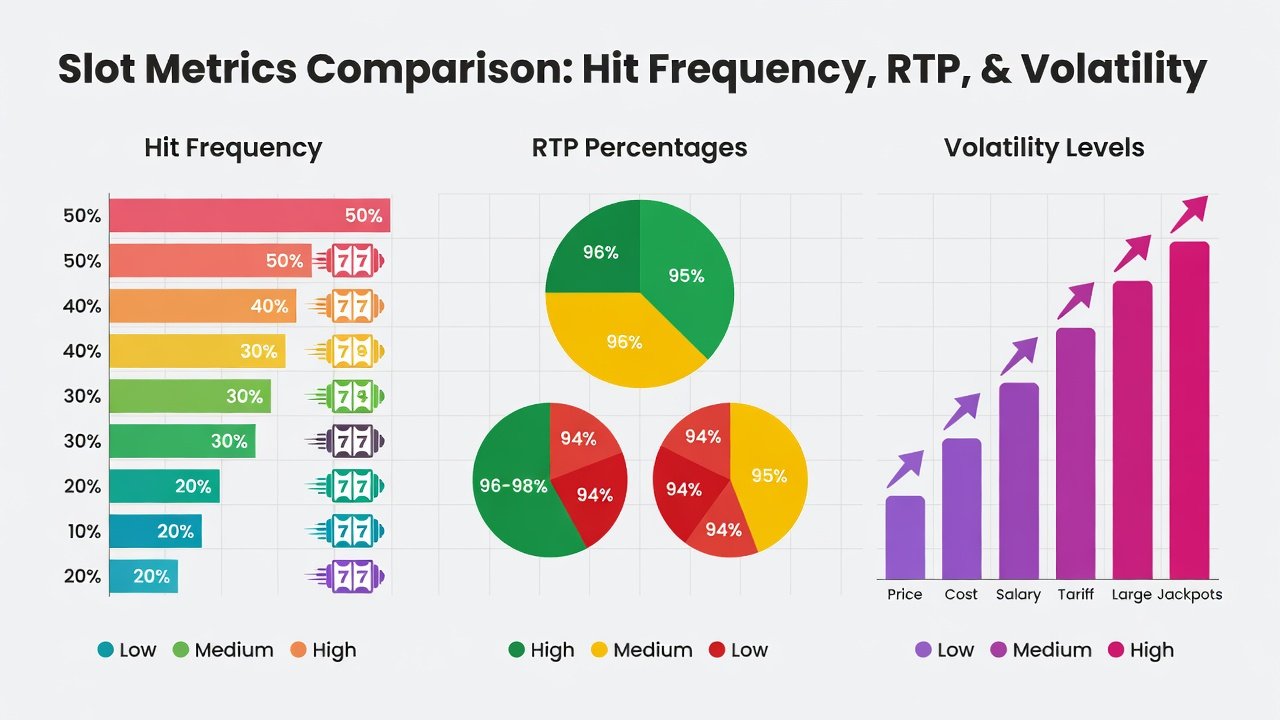
Hit frequency represents the percentage of spins that result in a payout of any size. A slot with 30% hit frequency pays out on roughly three out of every ten spins. This metric helps players predict session flow rather than jackpot size. Modern slots calculate hit frequency through complex random number generators that determine symbol combinations across multiple paylines or ways-to-win systems.
High hit frequency slots, typically above 25-35%, deliver frequent small wins that sustain playtime and reduce the perception of losing streaks. Lower frequencies below 20% produce rarer but potentially larger payouts. In 2026, many providers publish approximate hit rates in game information panels or help sections, enabling informed choices before committing real money. Understanding the underlying math involves recognizing that hit frequency is independent of bet size but influences how often features like free spins or multipliers activate.
Hit Frequency Versus RTP and Volatility
RTP indicates long-term theoretical return, often 94-98% in reputable 2026 titles from licensed operators. Hit frequency works alongside RTP to shape the overall experience. A high-RTP slot with low hit frequency may still feel stingy during short sessions because wins arrive infrequently. Volatility measures payout size variance and works in tandem with these metrics.
Low-volatility games pair naturally with higher hit frequencies for steady small returns that keep the reels spinning. High-volatility titles often show lower hit rates but offer bigger wins when they land. Players can optimize by matching hit frequency to personal risk tolerance and session goals. Consider these combinations:
- High hit frequency + low volatility: Ideal for extended play on modest budgets, providing regular feedback through small wins.
- Medium hit frequency + medium volatility: Balanced option for most players seeking a mix of consistency and excitement.
- Low hit frequency + high volatility: Suited to those chasing large multipliers and willing to endure longer dry spells.
Recognizing these relationships prevents mismatched game selections that lead to frustration.
Identifying High Hit Frequency Machines in 2026
Locate high-frequency slots by reviewing provider data sheets and independent audits available on casino sites. Look for games from studios like NetEnt, Playtech, or Pragmatic Play that disclose metrics in their game rules. Demo modes allow testing spin outcomes over 500+ spins to estimate frequency empirically without financial risk.
Compare paytable structures: titles with many low-value symbols, frequent wild substitutions, and cascading or tumbling mechanics tend toward higher hit rates. Avoid over-relying on marketing claims; cross-reference with player forums and regulatory reports from bodies such as the UK Gambling Commission. Advanced players also examine the number of paylines or Megaways configurations, as more winning opportunities per spin naturally elevate hit frequency.
Real-World Examples of Varying Hit Rates
Classic examples include Starburst by NetEnt, historically showing hit frequencies near 28-32% due to expanding wilds that create multiple line wins. In contrast, many progressive jackpot slots like Mega Moolah maintain hit rates below 15% to fund rare large wins. Modern 2026 releases such as Gonzo’s Quest Megaways variants often target 25%+ hit frequencies through cascading reels that generate additional win chances on every spin.
Other notable titles include Book of Dead with an estimated 25-28% hit rate from its expanding symbols during free spins, while high-volatility games like Dead or Alive 2 hover closer to 18-22%. These mechanics create multiple win opportunities per spin, boosting overall frequency without altering the core RTP. Players benefit from testing these in free play to observe patterns firsthand.
Step-by-Step Analysis Techniques for Players
Follow this detailed process to evaluate any slot before real-money play:
- Review the game’s official RTP and any disclosed hit frequency data in the information menu.
- Play 200-300 demo spins while tracking wins versus total spins using a simple counter or notepad.
- Note symbol distribution, wild appearances, and bonus trigger rates across base game and features.
- Compare results against volatility indicators listed by the provider or third-party review sites.
- Adjust bet size based on observed frequency to manage bankroll and extend sessions.
- Repeat testing across multiple sessions at different times to account for natural variance in RNG outcomes.
This methodical approach yields reliable averages and helps identify whether a title matches your preferred play style.
Hit Frequency Compared to Progressive Jackpot Slots
Progressive titles allocate portions of bets to growing jackpots, which lowers base-game hit frequency to accommodate the jackpot pool. Players trade consistent small wins for slim chances at life-changing sums. In 2026, many operators separate progressive and non-progressive versions of popular themes to cater to different preferences and risk appetites.
High hit frequency slots provide steadier entertainment value and longer sessions, while progressives suit occasional high-stakes play when chasing the big prize. Balancing both types within a single session or weekly schedule can diversify outcomes and maintain excitement across varying game types.
Actionable Strategies for Incorporating Hit Frequency
Set session goals around hit frequency targets such as selecting games above 28% frequency for two-hour play windows. Track personal results in a simple spreadsheet noting game, observed frequency, and session outcome to refine selections over time. Combine frequency data with current RTP rankings from trusted review sites for layered decision making.
Rotate between 3-4 high-frequency titles during a session to maintain engagement and avoid fatigue from repetitive mechanics. Incorporate breaks when hit rates appear lower than expected to prevent emotional decisions. Advanced players may layer this with volatility filters to create personalized game portfolios.
Player Tips for Balancing Frequency with Payout Potential
Prioritize titles offering both solid hit rates and competitive RTP above 96%. Monitor bonus round frequency, as free spins and re-spins often contribute heavily to overall hits and can dramatically increase effective hit frequency. Avoid chasing losses by sticking to pre-set loss limits regardless of recent frequency observations.
Responsible play remains essential; resources like BeGambleAware provide tools for maintaining healthy habits while pursuing optimized strategies. Experiment with different bet levels in demo mode to see how hit frequency interacts with your chosen stake size.
2026 Trends and Data-Driven Advice
Advancements in RNG transparency and real-time analytics are helping players access more accurate hit frequency data than ever before. Expect increased integration of AI-driven recommendations within casino apps that factor hit rates into personalized game suggestions based on historical play patterns. Data from recent industry reports shows players extending sessions by 20-30% when selecting games matched to their preferred frequency profiles. Focus on licensed operators for verified metrics and updated game libraries reflecting current 2026 design trends toward more transparent information panels.
Frequently Asked Questions
Does higher hit frequency guarantee profits?
No, hit frequency affects win regularity but not overall RTP. Long-term results remain governed by the house edge, so consistent small wins do not overcome the mathematical advantage held by the casino.
How does hit frequency affect bonus triggers?
Games with elevated hit frequencies often trigger bonus features more regularly through increased scatter or wild appearances, leading to more frequent free spin rounds or mini-games that enhance session value.
Are progressive slots always low hit frequency?
Most progressives exhibit lower base-game hit rates to accommodate jackpot contributions, though some hybrid models mitigate this by offering separate non-progressive modes with adjusted frequencies.
Can hit frequency change over time in the same game?
Hit frequency remains constant in a properly functioning RNG slot, though short-term variance can create the illusion of fluctuation during individual sessions.
Conclusion
Mastering hit frequency equips players with a practical framework for selecting and enjoying online slots in 2026. By integrating this metric with RTP and volatility considerations, individuals can craft sessions that align with their goals for consistency and excitement. Apply the outlined techniques consistently, test thoroughly in demo modes, and refine your approach based on personal results to achieve more rewarding play experiences over time.

No comments yet. Be the first!