 GambleLore

Introduction to Slot Paytables
Understanding how to read slot paytables is essential for players aiming to make informed decisions in online casinos. A paytable provides the blueprint of a slot machine, detailing symbol payouts, winning combinations, and special features that directly influence your gameplay strategy. In 2026, with evolving game mechanics and new releases incorporating advanced visuals and mechanics, mastering this skill helps separate high-potential titles from those that drain bankrolls quickly. Players who invest time studying paytables often enjoy more consistent sessions and better alignment between their risk preferences and game selection.
This guide breaks down every component of a paytable with practical steps, comparisons, and real examples from popular slots. By the end, you'll have actionable checklists to analyze any game before placing bets, enabling smarter choices that support responsible and enjoyable play across various platforms.
Core Components of a Slot Paytable
Paylines and Ways to Win
Paylines determine the paths across the reels where matching symbols create wins. Modern slots often feature 20 to 100 fixed paylines or 243+ ways-to-win systems. Always check if paylines are adjustable and how they activate—some games require betting on all lines for full feature access. In 2026 titles, cluster pays and megaways formats add further complexity, requiring careful review of how symbols form winning groups without traditional lines.
Symbol Values and Payout Structures
Paytables list each symbol's payout for combinations of three, four, or five matches. High-value symbols like wilds or scatters usually offer the biggest returns, while low-value ones (often card ranks) provide frequent but smaller wins. Note any multipliers attached to specific symbols, as these can dramatically alter outcomes during base game spins or feature rounds. Understanding the hierarchy helps players anticipate session flow and decide on bet sizing accordingly.
RTP Indicators
Return to Player (RTP) percentages appear in many paytables or game info sections. Higher RTP slots (typically 96%+) return more over time. Look for this metric alongside volatility ratings to gauge long-term performance. Regulatory bodies emphasize transparent RTP display, helping players make educated selections that align with their goals.
UK Gambling Commission provides regulatory insights into fair gaming standards that influence how RTP is calculated and displayed.
Bonus Triggers and Special Features
Paytables explain how free spins, multipliers, or mini-games activate. Common triggers include landing three or more scatters. Understanding these helps predict session excitement and potential payout spikes. Additional details often cover retrigger possibilities, expanding symbols, or pick-and-click mechanics that enhance engagement beyond standard spins.
Step-by-Step Analysis Method
Follow this structured approach to thoroughly evaluate any slot before committing funds. Begin by loading the game in demo mode if available, then access the paytable through the dedicated information icon, usually marked with an 'i' symbol.
- Open the paytable via the info button before spinning and review all tabs including rules, paylines, and features.
- Scan for RTP and volatility labels first to establish baseline expectations for returns and risk level.
- Compare top symbol payouts against your typical bet size to understand potential win multiples.
- Identify bonus trigger requirements and average feature frequency by noting any probability hints or historical data shown.
- Review payline diagrams to confirm coverage and spot any unusual patterns that affect winning chances.
- Cross-reference with demo mode results for real feel, tracking how often features trigger over 100+ spins.
- Check for any special rules like cascading reels or sticky wilds that modify standard payout logic.
Real-World Examples from Popular Titles
Consider Starburst by NetEnt: its paytable shows expanding wilds on reels 2-4 with 10 fixed paylines and an RTP around 96.09%. Bonuses trigger via wild expansions rather than scatters, creating frequent small to medium wins suited to steady play. In contrast, Gonzo's Quest features avalanche mechanics with increasing multipliers listed clearly in the paytable, rewarding consecutive wins during a single spin sequence.
Another example is Book of Dead, where the paytable highlights a high-volatility structure with expanding symbols during free spins. Players can see how the top symbol pays significantly more than others, guiding decisions on whether the game matches a preference for occasional large payouts. These examples illustrate how paytable layout reveals game pace—fast, frequent small wins versus rarer big payouts—allowing informed selection in 2026's diverse market.
High vs Low Volatility Paytable Comparisons
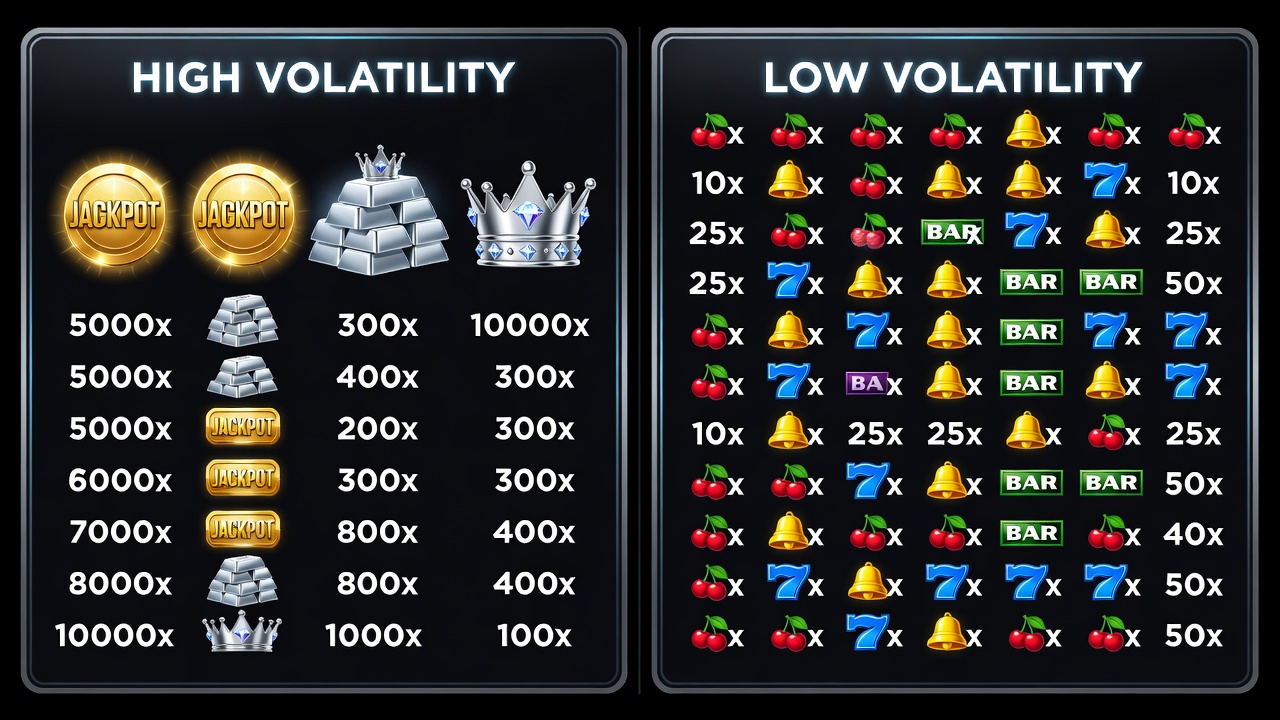
High-volatility slots display paytables with massive top payouts but sparse mid-tier wins, suiting larger bankrolls and players comfortable with longer dry spells. Low-volatility games show steadier smaller payouts across more symbols, ideal for extended sessions and conservative bankroll management. Always match volatility to your risk tolerance using the paytable's payout spread as a visual guide, noting the ratio of high to low symbol values.
High-volatility examples often list jackpots exceeding 500x bets in the top row, while low-volatility paytables emphasize consistent 5x to 20x returns. This comparison directly impacts session length and emotional experience during play.
Progressive Jackpots and Best Slots Selection
Many paytables include dedicated sections for progressive jackpots, showing contribution percentages from each bet and the current prize pool. These structures often require maximum bets to qualify, so review eligibility rules carefully before committing. When selecting slots, cross-reference jackpot size with base RTP to determine overall value, prioritizing games where the progressive element enhances rather than overshadows standard features.
BeGambleAware offers resources on responsible play that complement paytable analysis for sustainable choices.
Common Pitfalls to Avoid
- Ignoring that RTP is theoretical and calculated over millions of spins, leading to unrealistic short-term expectations.
- Overlooking whether bonus features require maximum bets, which can inflate costs unexpectedly.
- Misreading paylines as all active by default in some titles, resulting in reduced win potential.
- Skipping the rules tab that details special symbol interactions and how they stack with base payouts.
- Failing to note volatility indicators, causing mismatch between game pace and available funds.
- Assuming all symbols contribute equally without verifying paytable hierarchies.
- Neglecting mobile-specific display differences that may hide key paytable details on smaller screens.
Actionable Checklist for Bankroll Decisions
- Confirm RTP above 96% where possible through the paytable or game information menu.
- Match volatility to session length and budget for balanced risk exposure.
- Verify bonus frequency aligns with entertainment goals rather than pure profit chasing.
- Test in demo to validate paytable claims before real-money play.
- Set loss limits based on average feature returns shown in the paytable.
- Review jackpot contribution rates if pursuing progressive titles.
- Document observations in a simple log to refine future selections over multiple sessions.
2026 Trends in Slot Paytable Design
Recent developments include more transparent volatility meters and interactive paytables that simulate feature outcomes. Developers increasingly embed probability estimates and average feature returns directly into the interface, aiding quicker analysis. Players should stay updated on these enhancements to leverage new tools for even smarter evaluations throughout the year.
FAQ
Does a higher RTP guarantee wins?
No, RTP reflects long-term averages, not individual sessions. It guides selection but variance still applies across any timeframe.
How do progressive jackpots appear in paytables?
They often show a separate jackpot section with contribution rates and trigger conditions, usually requiring max bets for eligibility.
Can paytables change after updates?
Yes, developers occasionally tweak mechanics, so always review the current version before playing any updated title.
What role does volatility play in bankroll planning?
Volatility indicates win frequency and size, helping determine appropriate session budgets and stop-loss points.
Are demo modes reliable for paytable testing?
Yes, they accurately reflect mechanics and payout structures, providing safe practice for real analysis.
Conclusion
Reading slot paytables transforms casual play into strategic sessions. Apply these methods consistently to select games that match your style and maximize enjoyment in 2026's online landscape while maintaining control over your bankroll.


No comments yet. Be the first!