 GambleLore

Understanding 2026 Economic Volatility and Its Betting Impact
The year 2026 brings heightened economic uncertainty driven by persistent inflation spikes and aggressive central bank rate hikes. These factors directly influence consumer behavior, leading to reduced discretionary spending on entertainment including sports betting and horse racing wagers. Bettors who adapt their approaches early can maintain profitability even as markets shift. Inflationary pressures erode purchasing power, causing households to prioritize essentials over leisure activities like wagering on games or races. Rate hikes increase borrowing costs, further tightening budgets and reducing overall participation in betting markets. This creates ripple effects where oddsmakers must recalibrate to lower volumes, often resulting in sharper lines and new inefficiencies for informed bettors to exploit.
Economic indicators such as rising consumer price indices and elevated interest rates have historically correlated with tighter household budgets. This contraction alters odds across major leagues like the NFL, NBA, and Premier League, as well as prominent horse racing tracks including Churchill Downs and Ascot. Data from recent cycles shows betting volumes declining by double digits during similar periods, forcing oddsmakers to adjust lines to balance reduced action. For example, in high-profile events, public money on overs or favorites diminishes, shifting the market toward value opportunities on the other side.
How Consumer Spending Cuts Reshape Odds in Major Leagues and Tracks
When households cut back on leisure activities, sportsbooks and racetracks experience lower handle. This reduced liquidity often widens margins on popular markets while creating value in less trafficked ones. For instance, in the NFL, public betting on favorites tends to decrease, leading to sharper lines that favor contrarian plays on underdogs. In the NBA, late-season games see even greater impacts as fans and bettors alike focus on essentials amid rising costs. Horse racing sees similar effects at tracks where attendance and simulcast wagering drop. Historical comparisons reveal that win pool payouts become more volatile during recessionary pressures, with longshots offering better returns as casual bettors exit the market.
Premier League soccer experiences parallel shifts, with lower betting interest in midweek fixtures allowing sharper syndicates to move lines more freely. At Ascot, major race days show decreased pool sizes, amplifying the edge for those tracking trainer and jockey stats against economic backdrops. Federal Reserve data highlights how rate hikes from 2022-2025 periods mirrored these patterns, providing a template for 2026 adjustments. Bettors should cross-reference these trends with current league schedules to identify where spending cuts hit hardest.
Step-by-Step Recalibration Methods for Stake Sizing
Adapting to volatility requires methodical changes to bankroll management. Follow these steps for effective recalibration:
- Assess current economic indicators monthly using official releases on inflation and employment to establish baseline risk levels before placing any wagers.
- Reduce overall stake size by 20-30% during confirmed spending contraction signals to preserve capital across multiple losing streaks that often accompany market turbulence.
- Reallocate portions toward markets with higher liquidity resilience, such as major international soccer leagues over niche domestic events, while tracking performance metrics weekly.
- Incorporate a buffer for unexpected data releases by maintaining a separate emergency reserve within the bankroll dedicated to economic surprises.
- Review and adjust position sizes after each major economic announcement to reflect updated volatility expectations.
This approach prevents overexposure when odds fluctuate rapidly and ensures long-term sustainability.
Identifying Value in Shifting Markets
Value betting becomes critical when consumer cuts distort public perception. Focus on inefficiencies where recreational money has withdrawn. Use statistical models comparing historical performance during past economic slowdowns to current form. For horse racing, target races with heavy favorite bias that may be overbet due to remaining sharp money. In sports, monitor line movement post-economic news releases for delayed adjustments that create overlays.
One effective tactic involves cross-referencing Bureau of Labor Statistics consumer expenditure reports with betting market trends. Practical examples include fading popular NBA player props during high-inflation months when casual bettors reduce activity, or seeking value in underbet horse racing exotics at smaller tracks. 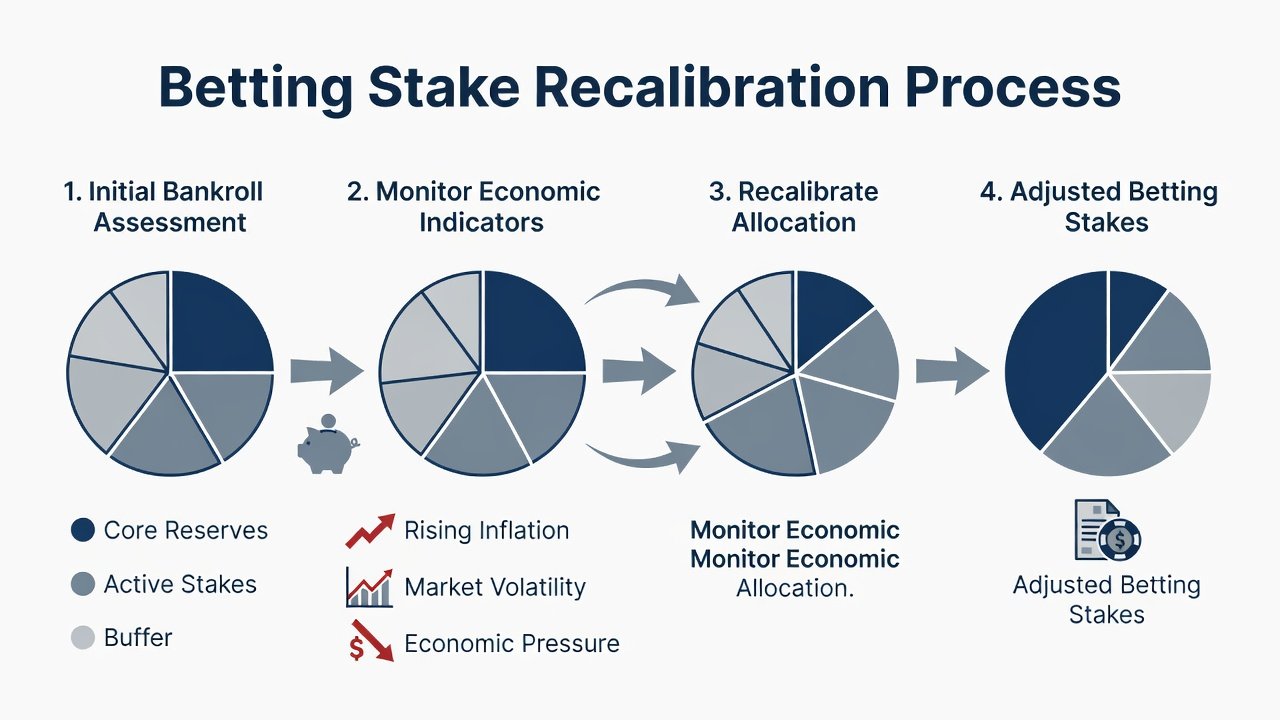
Pre- and Post-Recession Betting Performance Comparisons
Analysis of betting records from 2008-2009 and 2020 downturns shows clear shifts. Pre-recession periods featured higher volume on overs in totals markets, while post-recession favored unders as scoring decreased amid team budget constraints in some leagues. Return on investment for disciplined value bettors improved by 8-12% in adjusted strategies compared to static approaches. Horse racing win percentages for favorites dropped, boosting place and show betting edges in subsequent periods.
Modern parallels in 2025-2026 suggest similar patterns emerging in European football, where defensive strategies dominate amid economic caution. NFL totals markets have shown a 15% swing toward unders in analogous conditions. Bettors benefit from maintaining detailed logs of performance metrics before and after key economic events to validate adjustments. These comparisons underscore the importance of flexibility rather than rigid systems when navigating prolonged volatility.
Risk Checklist for 2026 Betting Adjustments
- Monitor monthly CPI and unemployment figures for early warnings of deepening contraction that could further suppress betting volumes.
- Avoid chasing losses in high-volatility sports like basketball during rate hike announcements when lines move unpredictably.
- Diversify across at least three unrelated markets to mitigate single-sport exposure and balance risk effectively.
- Set strict loss limits tied to economic data releases rather than fixed calendars to respond dynamically to new information.
- Review bankroll allocation quarterly against broader GDP trends published by authoritative sources.
- Track psychological factors such as increased emotional betting during uncertain times and implement cooling-off periods as needed.
- Evaluate bookmaker promotions carefully as they may tighten during low-volume periods, reducing overall value.
IMF economic outlooks provide additional global context for international bettors seeking comprehensive views.
FAQs on Monitoring Economic Indicators
How often should I check economic data for betting tweaks?
Review key releases weekly, with deeper analysis after major announcements like FOMC meetings to capture immediate market reactions and adjust strategies accordingly.
Which indicators most affect sports odds?
Inflation rates, interest rate decisions, and consumer confidence surveys show the strongest correlations, directly influencing discretionary spending on betting activities.
Can horse racing strategies differ from team sports?
Yes, focus on track-specific attendance data alongside national indicators for racing adjustments, as local economic conditions often amplify national trends at venues like Churchill Downs.
What mistakes should beginners avoid?
Do not ignore liquidity drops or maintain pre-volatility stake sizes without recalibration, as this leads to amplified losses during extended downturns.
How can I integrate economic monitoring into daily routines?
Use free alerts from government sites and set calendar reminders for releases, then dedicate 15 minutes daily to reviewing impacts on open positions.
By implementing these recession-proof methods, bettors can navigate 2026 volatility with greater resilience and sustained edge while continuously refining approaches based on evolving data.
No comments yet. Be the first!