 GambleLore
Introduction: Navigating 2026's Economic Landscape in Betting
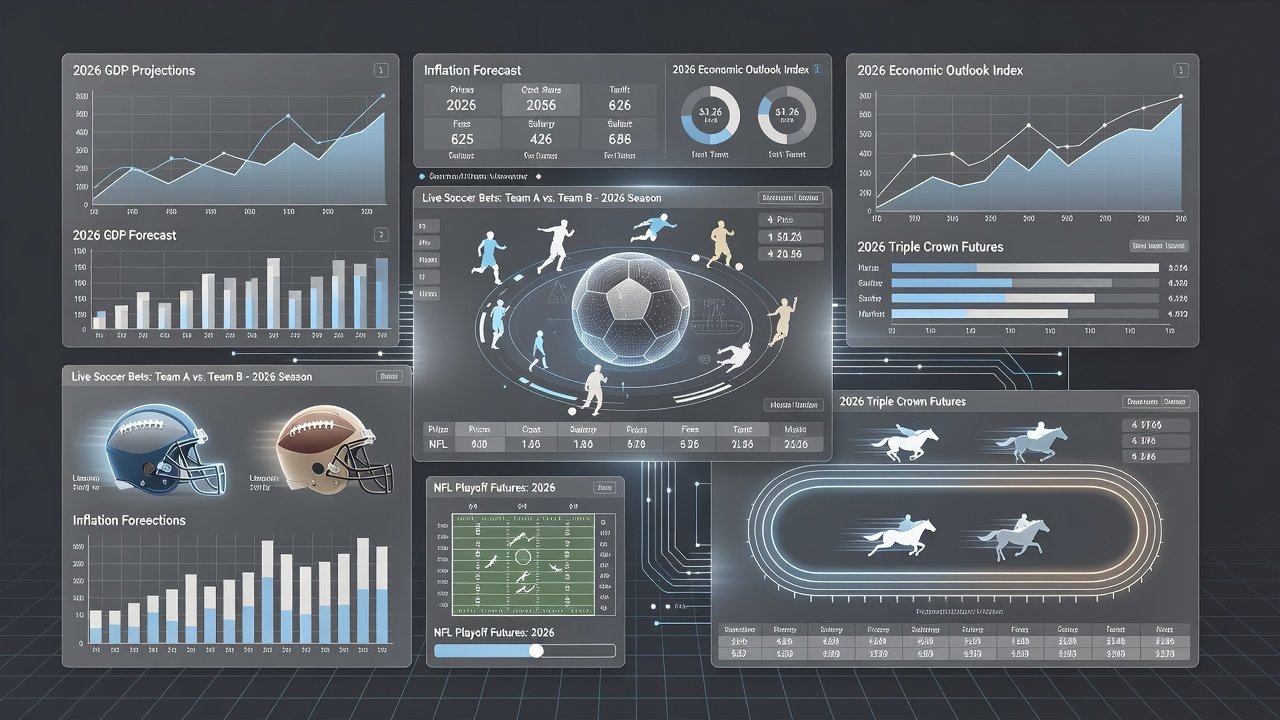
The year 2026 brings notable economic pressures including persistent inflation, potential interest rate adjustments, and evolving consumer spending habits. These factors directly reshape betting markets in sports like soccer and the NFL, as well as major horse racing events. Bettors who understand these dynamics can recalibrate strategies to protect bankrolls and identify value opportunities amid volatility. Economic uncertainty often leads to more cautious wagering patterns, which in turn influences how odds are set and how payouts are calculated across platforms.
Economic indicators influence odds makers at sportsbooks and racing tracks by altering risk assessments and payout structures. This article provides in-depth guidance on adapting to these changes with practical methods, real-world comparisons, monitoring checklists, and value betting adjustments. By examining specific mechanisms through which macro trends affect micro betting decisions, readers gain actionable insights rather than generic advice.
How Inflation and Interest Rates Alter Betting Odds
Inflation erodes purchasing power, prompting sportsbooks to adjust odds to maintain margins while accounting for reduced discretionary spending on wagers. When prices rise across essentials like housing and food, bettors allocate smaller portions of income to entertainment including sports betting and horse racing. Interest rate hikes increase borrowing costs, which can lead to tighter liquidity in betting pools and more conservative line movements by bookmakers seeking to minimize exposure during uncertain times.
In horse racing, where parimutuel systems pool bets, higher rates may reduce overall handle, shifting payouts toward favorites as casual participants withdraw. Soccer and NFL markets see similar effects through adjusted totals and spreads as operators factor in economic uncertainty affecting fan engagement and betting volumes. For instance, live betting during games may see slower movement on over/under lines if economic data releases coincide with major matches.
Impact of Shifting Consumer Spending Patterns
Consumer spending in 2026 is expected to prioritize necessities over leisure, directly contracting the volume of bets placed on high-profile events. This contraction forces oddsmakers to widen margins slightly on popular markets while potentially offering better value on less trafficked ones. In soccer, leagues with international followings may experience steadier handles than domestic lower-tier matches. NFL betting could see reduced parlay participation as households cut back on discretionary entertainment budgets.
Horse racing meets face unique pressures because many participants are recreational bettors whose attendance and wagering correlate strongly with overall economic sentiment. Track operators and simulcast providers may respond by emphasizing promotions that still respect tighter spending limits.
Step-by-Step Bankroll Recalibration Methods
Follow these detailed steps to adjust allocation using real-time economic data:
- Review latest GDP and employment reports from authoritative sources like the Bureau of Labor Statistics and cross-reference with inflation metrics.
- Calculate your current bankroll percentage dedicated to high-volatility bets and reduce it by 10-20% during rate hike periods, documenting the rationale in a simple spreadsheet.
- Implement dynamic stake sizing: Start with a base unit of 1-2% and scale down further if inflation data exceeds expectations, then test the new sizing on paper trades for one week.
- Reassess weekly by incorporating consumer spending trends from government releases to avoid overexposure in any single sport or racing circuit.
- Establish quarterly reviews that factor in cumulative economic shifts rather than reacting to single data points.
Pre- and Post-Shift Odds Comparisons
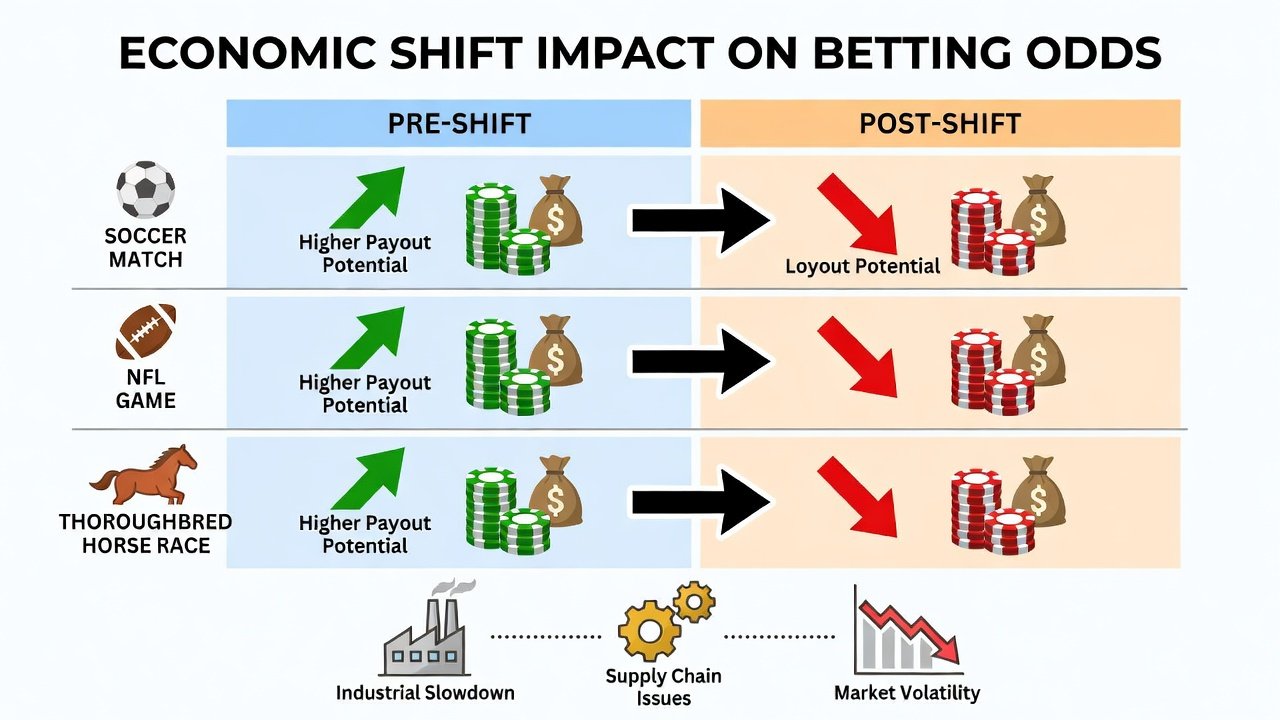
Consider soccer: A Premier League match might shift from 2.10 odds pre-shift to 2.30 after inflation spikes, reflecting lower bet volumes and adjusted risk models. In the NFL, a spread of -3.5 could move to -4.0 as economic caution affects totals betting and forces sharper lines on popular teams.
For horse racing at major meets like the Kentucky Derby circuit, win payouts in parimutuel pools may compress by 5-8% due to reduced handles during high-interest environments. Bettors can compare historical data from similar past cycles to anticipate where value emerges in place and show markets instead of outright winners.
Checklist for Monitoring Key Economic Indicators
- Track monthly CPI releases for inflation signals and note any surprises above or below forecasts.
- Monitor Federal Reserve announcements via federalreserve.gov for hints on future rate paths.
- Review employment data and GDP growth quarterly from the Bureau of Economic Analysis.
- Analyze consumer confidence indices monthly to gauge discretionary spending potential.
- Set alerts for sudden shifts in betting market liquidity reported by industry analytics.
- Compare year-over-year handle figures at major racetracks when available.
Risk Mitigation Tactics During Volatility
Diversify across low-correlation markets such as underdogs in soccer combined with place bets in racing to buffer against sector-specific downturns. Avoid chasing losses by enforcing strict stop-loss limits tied to economic calendars. Use hedging on live bets when indicators point to rapid changes, and maintain separate bankrolls for sports versus horse racing to prevent cross-contamination of funds.
Additional tactics include limiting exposure to correlated events on the same day and building a buffer of 15-20% unallocated capital for opportunistic bets that arise from economic surprises.
Adapting Value Betting Strategies: FAQs
How do I spot value bets amid economic shifts?
Compare implied probabilities from adjusted odds against your own models updated with economic variables. Focus on markets where public overreaction creates discrepancies, such as inflated odds on favorites during periods of high consumer caution.
Should I reduce stakes across all sports?
Prioritize data-driven reductions in high-liquidity events like NFL while maintaining positions in niche horse racing meets with steadier handles from dedicated fans.
What tools help track real-time economic impact on odds?
Utilize public economic dashboards and integrate them with betting analytics platforms for ongoing adjustments. Cross-reference multiple sources to avoid single-point errors.
Can long-term profitability be maintained?
Yes, by consistently applying recalibrated bankroll rules and focusing on edges less sensitive to macro trends, as outlined by resources from established financial institutions like the International Monetary Fund.
How often should I update my betting models?
Review and refine models monthly, incorporating the latest economic releases to ensure they reflect current conditions rather than outdated assumptions.
Stay disciplined and informed to turn 2026's challenges into opportunities for smarter betting across all major markets.
No comments yet. Be the first!