 GambleLore

Introduction to Crash and Plinko in 2026
Online gambling continues to evolve rapidly, and 2026 brings fresh formats for crash and plinko games that emphasize speed and visual engagement. These tutorials focus on practical actions players can repeat across platforms to build consistent habits. Whether you are new or refining your approach, understanding core mechanics and real-session adjustments improves decision-making. Players seeking tutorials on emerging formats benefit from concrete sequences that cover everything from initial setup to ongoing adjustments. The goal is to provide repeatable steps that translate directly into better session management without relying on abstract theory.
Crash Game Mechanics and Probability Basics
Crash games feature a multiplier that rises from 1x until it randomly crashes. Players cash out before the crash to secure winnings. Probability follows a curve where early cashouts (1.5x–2x) occur more frequently than high multipliers above 10x. In practice, the distribution means that roughly 40 percent of rounds end below 2x based on typical historical data patterns observed across multiple platforms. A repeatable sequence starts with setting a target multiplier based on session goals, then adjusting after each round based on the previous five outcomes. For example, if the last three rounds crashed at 1.4x, 1.7x, and 3.2x, the next logical target might stay conservative at 1.9x to maintain balance.
Step-by-Step Crash Betting Sequence
- Choose a platform with verified RNG certification and review the game history panel for transparency.
- Fund your account and select a bet size between 1% and 2% of total bankroll to start.
- Set an initial cashout at 1.8x and enable auto-cashout for the first 20 rounds to establish rhythm.
- Monitor the last 10 crashes; if three exceed 5x, increase target to 2.5x temporarily for the following 10 rounds.
- Record results in a simple spreadsheet after every 50 rounds, noting multiplier achieved and any manual interventions.
- After 100 rounds, calculate average cashout multiplier and adjust future targets by 0.2x increments if needed.
Plinko Mechanics and Drop Strategies
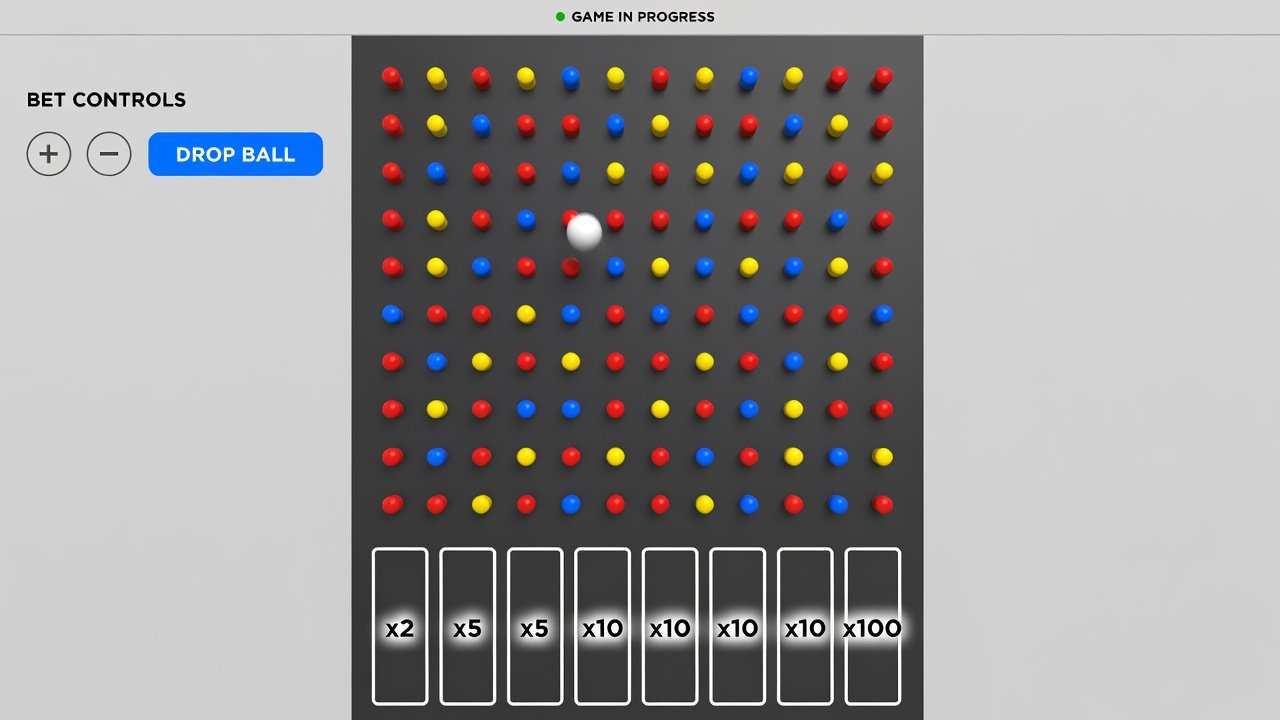
Plinko involves dropping a ball through a peg board where it lands in multiplier slots at the bottom. Modern 2026 versions add variable risk modes that shift peg density. Low-risk modes cluster payouts around 0.5x–2x, while high-risk spreads include rare 50x+ hits. A concrete sequence begins with 20 low-risk drops to build data, switches to medium for the next 30, then reviews distribution before continuing. Players can track landing frequencies manually by noting the final slot after each drop, which helps identify short-term deviations from expected averages.
Bankroll Allocation Examples
Effective allocation prevents overexposure in any single game type. Begin with a dedicated session bankroll of 100 units divided as follows: 40 units allocated to crash at conservative multipliers under 2.5x, 35 units reserved for medium-risk plinko drops with 15-25 round cycles, and 25 units set aside for testing new autoplay combinations on either format. In a second scenario, if your total available funds reach 200 units, scale proportionally to 80 crash units, 70 plinko units, and 50 testing units while maintaining the same percentage stops. These percentages keep play sustainable across multiple sessions without rapid depletion, and a hard stop-loss at 30 percent of the session bankroll triggers an immediate pause.
Autoplay Settings and Platform Comparisons
Autoplay lets players set bet amounts, cashout targets, and round counts in advance. Effective settings include a 50-round limit with a 1.5 percent bet size and a stop-loss trigger at 25 percent of the session bankroll. Additional options such as increasing bet size by 0.5 percent after every five wins or resetting after three consecutive losses provide further control. Risk-level comparisons across popular platforms show low-volatility modes on established sites favor steady small wins with multipliers rarely exceeding 4x, while newer interfaces offer higher variance for experienced users willing to accept longer dry spells between larger payouts.
Common Pitfalls and Real Session Insights
Many players chase high multipliers after early wins, leading to quick losses when the next crash occurs at 1.3x. Another frequent issue is ignoring platform-specific bonus wagering rules that affect withdrawal timing and can extend processing from hours to days. Session data often reveals patterns where manual overrides during losing streaks increase variance unnecessarily instead of allowing the preset sequence to recover naturally. Additional pitfalls include failing to verify game history before starting, neglecting to adjust targets after major platform updates, and skipping the 24-hour cooling period after reaching stop-loss. Reviewing screenshots from typical play sessions highlights how consistent logging of each round helps spot these issues early and correct course before they compound.
FAQ: Payout Timing and Bonus Compatibility
How long do payouts take in crash and plinko games?
Most licensed platforms process instant withdrawals for verified accounts, with e-wallet options completing in under an hour as of late 2026.
Can bonuses be used with autoplay features?
Yes, but check wagering requirements first—many bonuses allow autoplay on crash and plinko while tracking progress toward completion.
What happens if a platform updates its risk modes mid-session?
Review the updated rules in the game information panel and pause autoplay until you confirm the new payout distribution aligns with your current sequence.
Are there limits on consecutive autoplay rounds?
Most platforms cap autoplay at 100-500 rounds depending on the game; always set your own lower limit to maintain oversight.
How do crash and plinko interact with loyalty programs?
Both formats typically contribute to loyalty points at standard rates, but confirm the exact multiplier on each platform before committing large volumes.
Can you combine crash and plinko in the same session without resetting bankroll tracking?
Yes, simply maintain separate allocation buckets within the overall session bankroll and log results independently for each game type.
Conclusion
Applying these step-by-step sequences, allocation examples, and risk comparisons helps players approach crash and plinko with repeatable actions. Regular review of session data combined with disciplined autoplay settings supports longer, more controlled play. Platform selection should prioritize transparent history displays and verified random number generators for the most reliable experience. Always prioritize platforms that publish transparent game data for the best results. For responsible gambling resources visit Gamblers Anonymous and National Council on Problem Gambling.

No comments yet. Be the first!