 GambleLore

Introduction
Building a custom online gambling strategy in 2026 requires moving beyond generic advice to create systems tailored to individual risk tolerance and game preferences. This guide provides a practical, step-by-step framework that emphasizes performance metrics, tracking tools, and safe testing before committing to live play. By focusing on data-driven methods, players can achieve more sustainable outcomes while managing risks effectively. In an era where online platforms offer increasingly sophisticated games and analytics, generic tutorials often fall short. Custom strategies allow you to align your approach with personal goals, whether that means protecting a modest bankroll or optimizing for steady growth. Throughout this article, you will find concrete examples, decision frameworks, and actionable steps that help transform raw data into reliable systems.
Assessing Your Personal Risk Profile
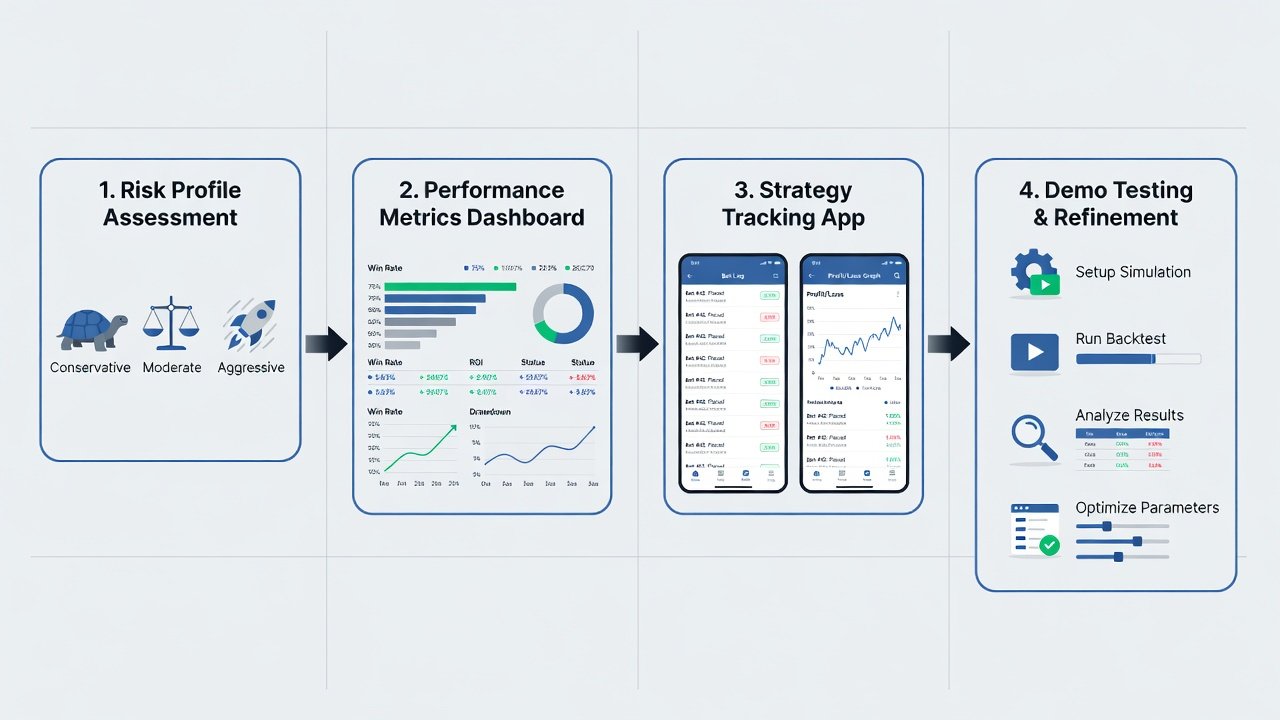
Start by evaluating your financial situation, emotional control, and preferred games. Consider factors such as bankroll size, session duration limits, and loss thresholds. A clear risk profile helps determine whether your strategy should prioritize low-volatility games like blackjack or higher-variance options like slots. Document these elements in a simple spreadsheet to guide later decisions. Break this assessment into categories: financial limits, time constraints, emotional triggers, and game familiarity. For instance, if your monthly entertainment budget is fixed, your strategy must incorporate strict deposit caps and automatic withdrawal rules once targets are met. Players with higher emotional volatility benefit from shorter sessions and mandatory cooling-off periods built directly into their ruleset. Revisit this profile every quarter because life circumstances and risk tolerance can shift over time.
Identifying Key Performance Metrics
Successful custom strategies rely on measurable indicators. Track win rate, return to player (RTP) alignment, average bet size, and session variance. Use these metrics to refine your approach over time. For example, monitoring how often you hit your stop-loss limit reveals whether your risk settings need adjustment. Reliable data collection turns intuition into actionable insights. Additional useful metrics include expected value per session, drawdown frequency, and recovery rate after losing streaks. Create a dashboard that logs each metric after every session. Over several weeks, patterns emerge that allow precise tweaks, such as reducing bet sizes during high-variance periods or switching games when RTP falls below a personal threshold. These metrics also help compare your performance against industry benchmarks for the games you play most often.
Integrating Tracking Tools
Modern tools simplify data collection. Spreadsheet templates, dedicated gambling journals, or apps that log bets automatically allow real-time analysis. Integrate these with game-specific trackers to monitor RTP trends and outcome patterns. Consistent use of tools ensures your strategy evolves based on evidence rather than guesswork. Popular options include customizable Excel sheets with conditional formatting for alerts, mobile apps that export CSV data, and browser extensions that capture session details from supported casinos. Set up automated reminders to review weekly summaries. Advanced users can connect their tracking system to simple scripts that calculate running averages and flag anomalies. The goal is to make data entry effortless so you maintain consistency without it becoming a chore.
Testing Strategies in Demo Modes
Before live play, validate your system through extensive demo testing. Simulate hundreds of sessions while recording the same metrics you plan to track live. This phase highlights flaws in your rules without financial exposure. Adjust parameters such as bet sizing or game selection until performance stabilizes across varied conditions. Begin with 50 simulated sessions to establish baseline results, then expand to 200 or more for statistical significance. Introduce controlled variations during testing, such as changing table limits or introducing random interruptions, to mimic real-world conditions. Document every adjustment and its impact on your key metrics. Only move to live play once your strategy shows positive or neutral expected value over at least 100 consecutive demo sessions.
Real-World Examples of Custom Systems
One player created a blackjack-focused system that combined card-counting elements with strict bankroll allocation, achieving consistent small gains over six months. Another developed a roulette strategy emphasizing even-money bets with progressive limits tied to session profit targets. A third example involves a sports bettor who built a custom model around specific leagues, using historical data to set minimum odds thresholds and stake percentages. These examples illustrate how personalization outperforms one-size-fits-all approaches. In each case, the player maintained detailed logs and conducted monthly reviews to refine rules further.
Comparing Custom Strategies to Popular Methods
Popular systems like Martingale or Fibonacci offer structure but often ignore individual risk profiles. Custom strategies allow modification of these classics—for instance, capping Martingale progression earlier based on personal loss tolerance. This flexibility reduces the common pitfalls associated with rigid, widely shared methods. Compare your custom rules against the Labouchere system or D’Alembert by running parallel demo tests. You may discover that a hybrid approach, blending elements from multiple systems while adding your own filters, delivers superior risk-adjusted results. Always measure success not just by profit but by drawdown control and consistency.
Risk Mitigation Techniques
Always set hard limits on deposits and losses. Incorporate mandatory breaks after reaching targets. Diversify across multiple games to avoid overexposure to any single variance pattern. Regular reviews of your performance data help identify when external factors, such as fatigue, begin influencing decisions. Additional techniques include using separate accounts for different strategies, implementing time-based session caps, and maintaining an emergency fund outside your gambling bankroll. Common mistakes to avoid include chasing losses, ignoring variance spikes, and failing to update rules after significant life changes. Create a written checklist of these mitigation steps and review it before every session.
Compliance and Legal Considerations
Frequently Asked Questions
- Is it legal to use custom strategies? Yes, provided you follow platform rules and local regulations. Always verify terms of service.
- How do I ensure responsible play? Use built-in casino tools and external resources such as National Council on Problem Gambling.
- Can strategies guarantee wins? No strategy eliminates house edge. Focus on long-term bankroll preservation instead.
- What records should I keep for tax purposes? Maintain detailed logs of wins, losses, and deposits as required by your jurisdiction.
- How often should I review my strategy? Conduct formal reviews at least monthly and after any major bankroll change.
Consult official regulatory bodies like the UK Gambling Commission and BeGambleAware for jurisdiction-specific guidance and support options.
Conclusion
Developing a custom online gambling strategy in 2026 empowers players with control and clarity. By methodically assessing risk, tracking metrics, testing thoroughly, and mitigating downsides, you build a sustainable system that aligns with your goals. Start small, refine continuously, and prioritize responsible practices for lasting results. The investment in building and maintaining your own framework pays dividends through improved decision-making and reduced exposure to unnecessary risks.


No comments yet. Be the first!