 GambleLore
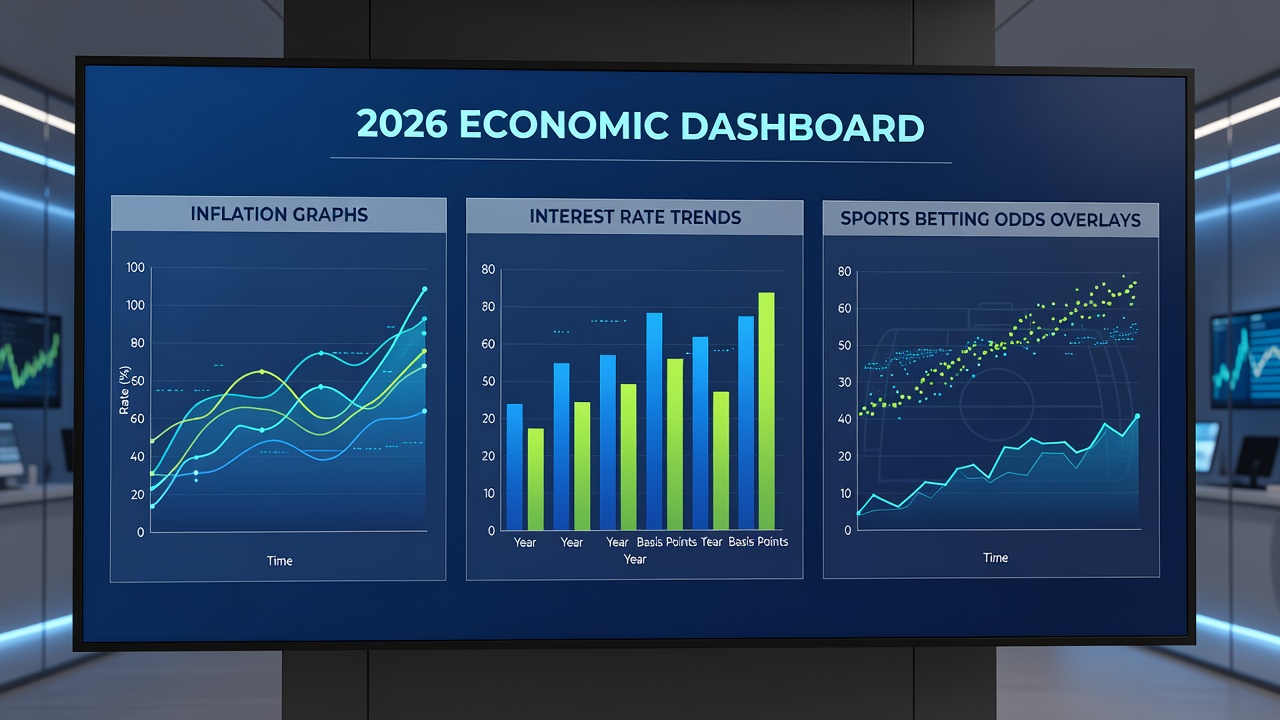
Introduction to Economic Shifts and Betting Markets
Macroeconomic changes in 2026 continue to reshape how bettors approach sports and horse racing. Inflation, interest rates, and consumer spending patterns directly influence odds, liquidity, and value opportunities across global markets. Bettors who ignore these forces often find their bankrolls eroded by sudden shifts in public behavior and bookmaker adjustments. This comprehensive guide provides practical methods to monitor key indicators and adjust strategies accordingly, ensuring long-term sustainability. Understanding these dynamics allows for proactive rather than reactive decision making, turning potential downturns into opportunities for disciplined players.
Key Macroeconomic Indicators to Monitor
Tracking inflation helps predict shifts in disposable income, which often reduces betting volumes during high periods. Persistent inflation erodes purchasing power, leading casual bettors to cut back on wagers or seek lower-stake options. Interest rate hikes by central banks can tighten credit availability, affecting larger wagers and promotional bonuses offered by operators. Consumer spending data reveals confidence levels that correlate with market volatility, particularly in entertainment sectors like sports betting and racing. Regular analysis of these metrics enables bettors to anticipate when markets will tighten or expand. Bettors should review reports from authoritative sources such as the Federal Reserve and the International Monetary Fund for timely updates on global trends.
Impact on Sports Betting and Horse Racing Odds
Economic pressures alter bookmaker margins and public betting trends in measurable ways. In volatile markets, favorites may offer less value while underdogs become attractive due to inflated odds from panicked public money. Horse racing pools often shrink during recessions, creating sharper odds swings that reward patient handicappers. Sports leagues with high fan engagement, such as football and basketball, see volume fluctuations tied directly to regional economic health. These changes create windows where sharp bettors can exploit inefficiencies before lines stabilize.
Risk Mitigation Strategies During Recessions
Effective risk management begins with recognizing early warning signs in economic data. Bettors should reduce overall exposure when contraction signals appear. Diversification across low-volatility markets like major league sports helps buffer against sector-specific downturns. Setting strict loss limits tied to monthly spending data prevents emotional chasing. Additional tactics include maintaining separate bankrolls for different economic climates and avoiding correlated bets that amplify risk. Real-world application shows that those who implement these steps early preserve capital for stronger opportunities later.
- Reduce bet sizes proportionally when indicators signal contraction.
- Diversify across low-volatility markets like major league sports.
- Set strict loss limits tied to monthly spending data.
- Avoid parlays and high-variance wagers during uncertain periods.
- Rebalance portfolios quarterly based on latest economic releases.
Identifying Value in Volatile Markets
Value emerges when public overreaction to news creates mispriced lines. Compare implied probabilities against your adjusted models that factor in economic sentiment and historical performance during similar cycles. Focus on markets where liquidity remains sufficient but public bias is evident. This approach requires ongoing model refinement and discipline to wait for true edges rather than forcing action.
Step-by-Step Methods for Updating Personal Strategies
- Establish a weekly review of inflation and rate announcements from reliable central bank sources.
- Adjust bankroll allocation based on consumer confidence indices released monthly.
- Backtest selections against historical shift periods from 2025 to identify patterns.
- Implement a detailed checklist for each bet type covering economic context.
- Reassess performance metrics monthly and refine thresholds.
- Incorporate sentiment analysis from betting forums and social trends.
- Document every adjustment and its outcome for future reference.
Real-World Case Studies from 2025-2026 Events
During the 2025 inflation spike, NFL totals betting volume dropped noticeably while point-spread value increased on underdogs as sharp money moved against public favorites. In early 2026, rising rates correlated with tighter horse racing win pools, rewarding disciplined handicappers who focused on longshots with strong fundamentals. These examples illustrate how adapting selections based on economic context improved results compared to static approaches used by many recreational bettors.
Pre- and Post-Shift Performance Comparisons
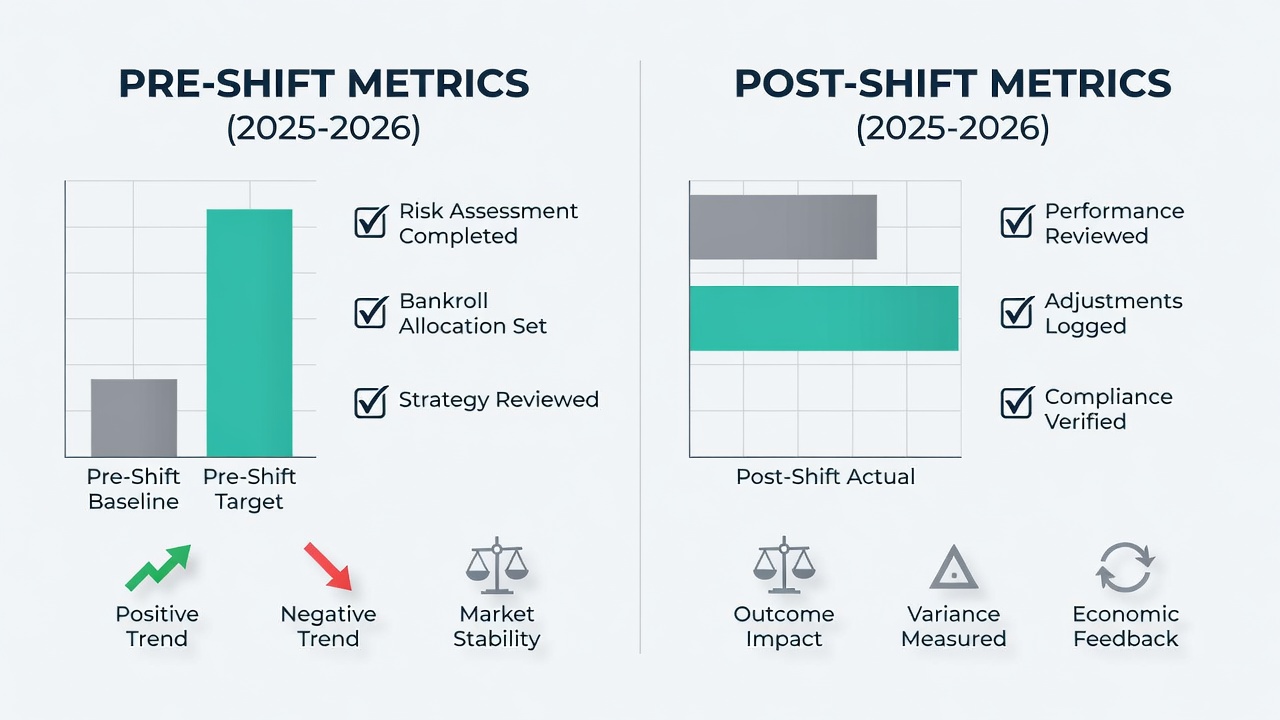
Bettors who maintained fixed sizes pre-shift saw noticeable ROI declines in simulated 2025 recession scenarios. Post-adjustment models emphasizing smaller stakes and selective value bets recovered performance within two quarters by capitalizing on mispriced opportunities. Comparative analysis highlights the importance of flexibility, with adaptive strategies outperforming rigid ones across multiple market cycles.
Practical Checklist for Bettors
- Monitor key rates and inflation data weekly using official releases.
- Log all bets with economic context notes for pattern recognition.
- Compare current odds to historical baselines from similar periods.
- Limit exposure during high-volatility news weeks around policy announcements.
- Review and update models after each major economic report.
Common Mistakes to Avoid
Many bettors fail by ignoring leading indicators until losses mount. Overbetting during perceived value surges without economic context often leads to larger drawdowns. Another frequent error is neglecting to scale down during confirmed contractions, resulting in depleted bankrolls before recovery phases begin.
Tools and Resources for Ongoing Monitoring
Utilize free economic calendars and data dashboards from established institutions to stay informed. Combining these with personal betting tracking software creates a robust system for timely adjustments. Consistent use of these resources supports informed decision making over time.
FAQ
How does inflation specifically affect betting odds?
Higher inflation typically reduces overall handle, leading bookmakers to adjust lines to protect margins and creating occasional value on overs or longshots in certain sports.
Should I change bet sizes during interest rate hikes?
Yes, consider modest reductions in stake size to preserve bankroll through periods of economic uncertainty and reduced liquidity.
Are horse racing markets more sensitive than sports?
Horse racing pools often react faster to spending shifts due to their pari-mutuel nature and smaller overall participation base.
What role does consumer confidence play in market volatility?
Lower consumer confidence usually signals reduced betting activity, which can exaggerate odds movements and create selective value opportunities.
Conclusion
Adapting to 2026 economic shifts requires ongoing vigilance and flexible strategies. By integrating indicator monitoring with disciplined adjustments, bettors can maintain an edge across changing conditions and protect long-term profitability.


No comments yet. Be the first!