 GambleLore

Introduction to International Horse Racing Betting in 2026
Expanding your betting horizons beyond domestic tracks opens up exciting opportunities in global horse racing events. Bettors who master research into overseas form, regulations, and data sources often find higher value in markets that local punters overlook. This guide walks through proven methods to adapt core strategies for foreign tracks while highlighting practical steps for success throughout 2026. International racing includes prestigious events like the Dubai World Cup, Melbourne Cup, Breeders' Cup, and Japan Cup, each presenting unique challenges such as varying track surfaces, weather impacts, and regulatory environments. By learning to navigate these differences, you can identify value bets that domestic-focused bettors miss. The key is consistent data analysis combined with awareness of external factors like currency conversion and live betting timing.
Researching Overseas Form Guides Effectively
Start by accessing reliable international form guides from official racing authorities. Compare past performances across different surfaces and distances, noting how horses adapt to new conditions. For example, a European sprinter may struggle on Australian turf, so cross-reference sectional times and trainer comments. Use step-by-step processes: first identify the race, then pull the last six starts, and finally adjust for track biases. Pay attention to workout reports from foreign jurisdictions, as many trainers publish them on official sites. Real examples include analyzing Japanese horses entering European races where their high-speed workouts on dirt translate differently to grass. Always verify the source credibility, prioritizing data from bodies like national racing commissions over unofficial forums. This depth helps avoid common traps where surface changes dramatically alter expected outcomes.
Comparing International Odds Formats
Global events present odds in decimal, fractional, or American formats depending on the jurisdiction. Convert these quickly to identify value bets. Decimal odds common in Europe and Asia often provide clearer margins than fractional formats used in the UK. Always factor in exchange rates and bookmaker commissions when calculating potential returns. For instance, a horse listed at 4.50 decimal in Hong Kong might equate to 7/2 fractional elsewhere, but you must also account for the 5-10% takeout typical in many Asian pools. Practice converting sample odds from recent races to build speed. Tools like built-in calculators on major betting platforms streamline this, but manual verification ensures accuracy during live events. Understanding these formats prevents misjudging true probabilities across borders.
Adjusting for Time Zones and Travel Factors
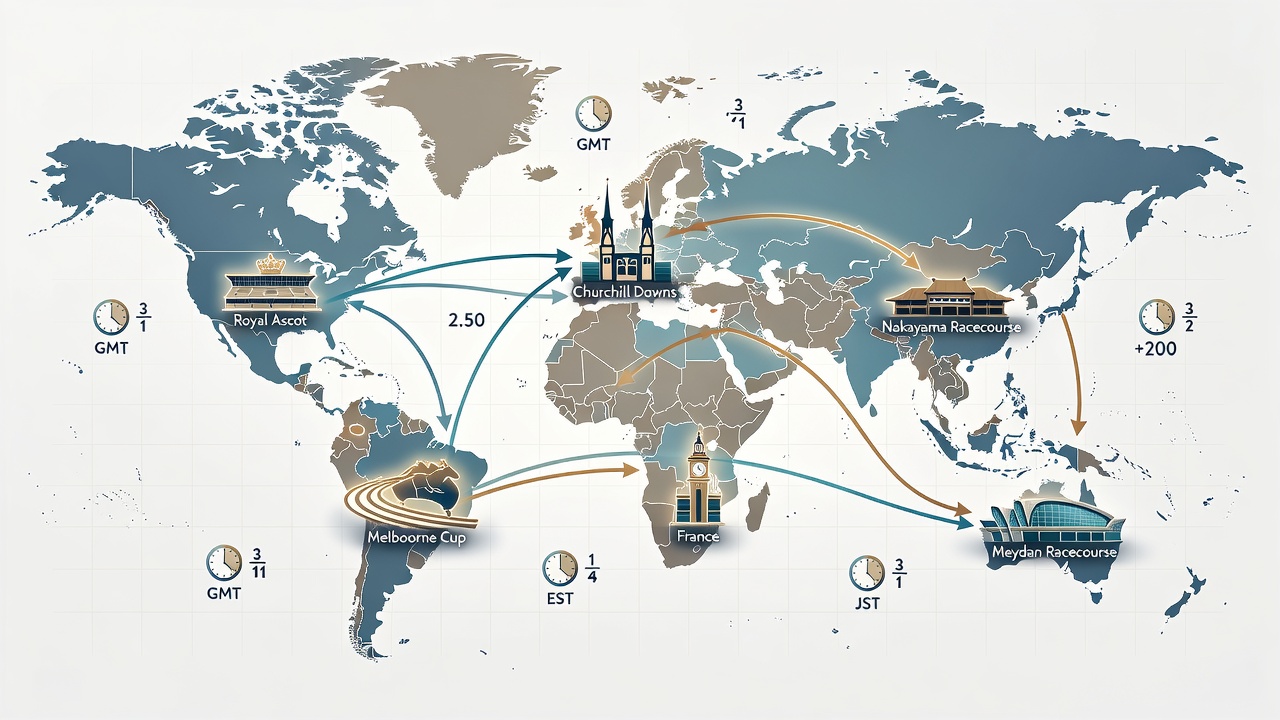
Time zone differences can impact race timing and your ability to place live bets. Create a personal schedule aligned with major events like the Dubai World Cup or Melbourne Cup. Travel fatigue for horses and jockeys also influences outcomes; review shipping reports and quarantine details from sources such as British Horseracing Authority. Factor in jet lag recovery periods for long-haul participants. For example, Australian horses shipping to the Middle East often require 10-14 days to acclimate, during which their performance can dip by 10-15% based on historical data. Monitor weather patterns at destination tracks and how they interact with travel stress. Bettors who plan around these variables gain an edge by targeting races where rested local runners face fatigued imports.
Analyzing Cross-Border Jockey and Trainer Stats
Track win rates for jockeys and trainers operating across borders. International riders often excel on specific tracks due to local knowledge. Build a simple spreadsheet comparing strike rates at venues like Royal Ascot versus Hong Kong tracks. Real-world examples include successful bets on Australian trainers at Japanese festivals where their runners showed strong form on yielding ground. Examine patterns over multiple seasons, such as European trainers succeeding in North American graded stakes when bringing turf specialists. Cross-reference with jockey booking announcements, as top riders frequently choose mounts based on track familiarity. This statistical approach reveals repeatable edges that casual bettors ignore.
Comparison Table of Major Global Racing Events
| Event | Location | Key Date 2026 | Betting Focus |
|---|---|---|---|
| Dubai World Cup | UAE | March | Dirt specialists and pace analysis |
| Melbourne Cup | Australia | November | Stayers and weight handicaps |
| Breeders' Cup | USA | November | US form vs international challengers |
| Japan Cup | Japan | November | Turf speed and rail biases |
Step-by-Step Research Process for Profitable Bets
- Identify upcoming international races via official calendars.
- Compile form data from multiple jurisdictions.
- Adjust for track conditions and travel impacts.
- Compare odds across licensed operators.
- Place bets with bankroll management rules.
- Review post-race replays for hidden insights.
- Track results over 20+ races to refine your model.
Real-World Examples of Profitable International Bets
One notable case involved backing a Japanese-trained runner in the 2024 Melbourne Cup after noting superior sectional times on similar turf. The bet returned strong value because most domestic punters overlooked the travel-adjusted form. Another example came from the Breeders' Cup where a European jockey's stats at the venue showed a 28% win rate over five years, leading to targeted wagers on specific mounts. These successes stemmed from thorough cross-border analysis rather than gut feel. Always document your reasoning to replicate wins and learn from losses.
Tools and Resources for Tracking International Results
Platforms like Equibase provide comprehensive global data. Combine with timing apps for live updates. Additional resources include official sites for each major racing body and statistical databases that aggregate international results. Set up alerts for key races to stay ahead of line movements. These tools help maintain an edge in fast-moving markets.
Common Pitfalls and FAQ
What are the biggest mistakes when betting internationally?
Overlooking currency fluctuations and local tax rules often erodes profits. Always verify withdrawal processes before depositing.
Which tools help track international results?
Platforms like Equibase and national racing authority websites provide comprehensive global data. Combine with timing apps for live updates.
How do regulations differ by country?
Some regions restrict offshore betting; use licensed platforms compliant with local laws to avoid issues. Research each jurisdiction's rules via official government portals before placing bets.
Conclusion
Mastering international horse racing betting requires consistent research and adaptation. By following these strategies, bettors can uncover value in 2026 global events while managing risks effectively. Start small, track every decision, and refine your approach based on real outcomes.


No comments yet. Be the first!