 GambleLore

Introduction to Odds Shopping in 2026
Odds shopping remains one of the most practical betting strategies for sports bettors and horse racing enthusiasts seeking consistent value. By comparing lines across multiple platforms, punters can secure better prices on the same outcome and improve long-term returns. In 2026, with real-time data widely available, mastering line shopping separates casual bettors from those who treat betting as a disciplined process. Bettors who routinely check several sources often achieve noticeably higher average odds, which directly translates into stronger bankroll growth over a season or racing calendar. This guide covers step-by-step methods for tracking odds movements, using free comparison tools, and applying these techniques to major leagues and races. Readers will also find checklists, common mistakes to avoid, and answers to frequent beginner questions.
Understanding Line Shopping and Value Betting
Line shopping involves scanning different bookmakers and betting exchanges to find the highest odds on a selected outcome. Even small differences compound over hundreds of wagers. Value exists when the implied probability from the odds is lower than your assessed probability of the event occurring. Effective sports coverage helps bettors stay informed about team news that influences these probabilities. In practice, value betting requires both accurate probability estimates and the discipline to wait for superior prices. Without line shopping, many bettors unknowingly accept inferior odds that erode expected returns over time. Understanding the difference between recreational and professional approaches starts with recognizing that every extra decimal point in odds represents additional profit potential on identical stakes.
Step-by-Step Process for Tracking Odds Movements
Successful odds shopping begins with a repeatable daily routine. First, identify your target markets in advance, such as Premier League match winners or major horse races at Cheltenham or Ascot. Second, set up accounts with at least five reputable bookmakers and one exchange so you can move quickly when prices appear. Third, monitor opening lines and note any sharp movements within the first hours after markets open. Fourth, record changes using a simple spreadsheet to spot patterns over multiple events and learn which bookmakers consistently lead or lag. Fifth, place bets only when the best available price exceeds your calculated threshold by a meaningful margin. Sixth, review completed bets weekly to calculate your actual average odds obtained versus the market average. This process turns random betting into a measurable skill that improves with repetition.
Free Tools for Real-Time Odds Comparisons
Several no-cost resources allow bettors to view aggregated odds without switching tabs constantly. Browser extensions and dedicated comparison websites display live prices from multiple operators. Many also include historical movement charts that reveal how lines react to news or betting volume. Popular free options include browser-based aggregators that pull data from major UK and European operators as well as exchanges. Users should cross-reference at least two tools because coverage varies by market. Inserting 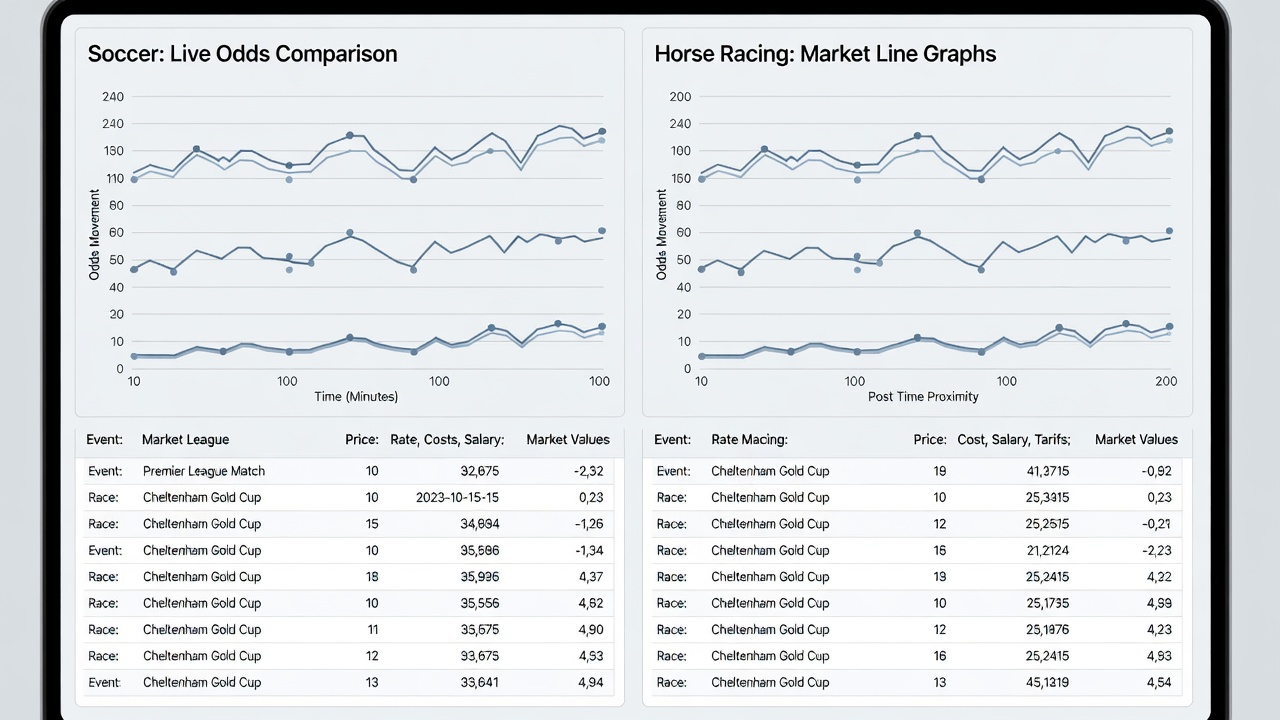
Practical Examples from Major Leagues and Races
Consider a Premier League fixture where one bookmaker offers 2.10 on the home win while another lists 2.30. The higher price improves potential profit by nearly 10 percent on the same stake. In horse racing, comparing win odds on a popular festival race can yield similar gains when exchanges offer better lay prices. During the 2026 NFL season, sharp line movements on Monday night games frequently create windows where one operator lags behind the market by several points. Bettors who act within the first ten minutes of such discrepancies capture measurable edges. In tennis, comparing set and match odds across operators before a Grand Slam quarter-final often reveals value on underdogs when one platform reacts slower to injury updates. These examples demonstrate why checking multiple sources before confirming a bet is essential. Over a full season, the cumulative effect of consistently securing the top available price can add thousands of units to a disciplined bettor’s bottom line.
Practical Checklist for Effective Odds Shopping
- Verify account verification status on all platforms to enable instant deposits and withdrawals.
- Compare at least four sources before finalizing any selection.
- Factor in any cash-out options or bonus terms that affect net returns.
- Track results weekly to measure improvement in average odds obtained.
- Review terms on withdrawals to ensure profits can be accessed promptly.
- Maintain a separate note of any promotional restrictions that might limit future activity on certain markets.
- Update your list of active bookmakers quarterly to reflect new sign-up offers or changes in market coverage.
Common Pitfalls to Avoid
Many beginners chase the absolute highest number without considering platform reliability or market depth. Others ignore exchange commissions that can erase apparent value. Failing to act quickly when odds shift also costs opportunities, as lines move rapidly during live events. Finally, neglecting responsible staking limits turns potential edges into larger losses. Another frequent error is over-focusing on major leagues while ignoring smaller markets where discrepancies are often larger. Bettors should also avoid chasing losses by increasing stakes after a poor shopping session. Comprehensive sports reporting can help contextualize why certain lines move, reducing the chance of misinterpreting temporary inefficiencies.
Frequently Asked Questions
How do fees affect odds shopping?
Bookmakers rarely charge explicit fees, but exchanges apply commissions on winnings. Always calculate the net price after any deductions before comparing.
When is the best time to compare odds?
Early lines often provide the highest value, but late movements after team news can create new opportunities. Regular monitoring throughout the day yields the best results.
Do odds shopping strategies work for beginners?
Yes, provided bettors start with small stakes and focus on familiar markets. Building a routine of checking multiple sources quickly becomes second nature.
Should I use multiple devices or accounts?
Many experienced bettors maintain accounts on separate devices to speed up comparisons, but responsible gamblers always stay within platform rules and personal limits.
Conclusion
Odds shopping delivers measurable improvements when applied consistently. By following structured tracking processes, leveraging free comparison tools, and avoiding common errors, bettors position themselves for stronger returns across sports and horse racing in 2026. Start with a small set of markets, refine your checklist, and review performance regularly to maintain an edge. Over time, the habit of always seeking the best available price becomes an automatic part of any serious betting approach.

No comments yet. Be the first!