 GambleLore

Introduction: Why Weather Matters in 2026 Horse Racing Betting
Weather plays a decisive role in horse racing performance, often determining whether favorites win or longshots surprise the field. In 2026, bettors who integrate weather data into their analysis gain a significant edge over those relying solely on past form or jockey statistics. This guide explores the specific impacts of rain on turf tracks, wind and temperature effects on equine performance, and how to incorporate forecasts into pre-race strategies for smarter wagers. Understanding these variables allows punters to refine selections, identify value bets, and avoid common mistakes that erode profits over the season.
Rain Impact on Turf Tracks and Betting Outcomes
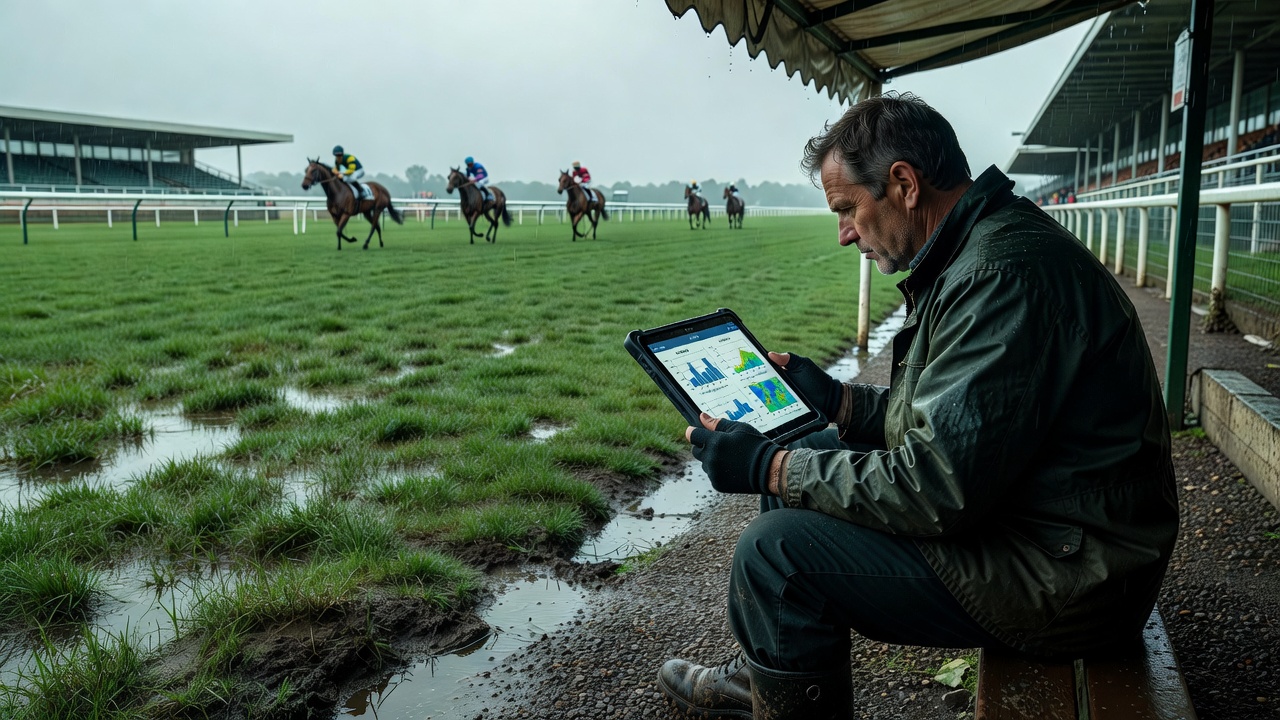
Rain transforms turf surfaces from firm to soft or heavy, altering traction, stamina demands, and race times. Horses with strong mud-running pedigrees excel in these conditions, while speed-oriented runners struggle. Bettors should monitor rainfall totals in the 48 hours before a race, as even moderate precipitation can shift odds dramatically. For instance, a sudden downpour can turn a fast track into a testing ground where closers gain ground late. In 2026 events such as the Cheltenham Festival and Royal Ascot, wet-weather specialists frequently outperform expectations, offering attractive odds to those who adjust their approach early.
Track management teams release official going reports that reflect these changes, helping bettors move away from dry-track specialists. Comparing rainfall data with historical results at venues like Doncaster shows that heavy ground often favors stayers over sprinters. Practical adjustments include favoring horses with proven soft-ground form and avoiding those with poor records in wet conditions. This level of detail turns weather from a random factor into a predictable betting advantage throughout the 2026 calendar.
Wind, Temperature, and Equine Performance Factors
Strong headwinds increase energy expenditure for horses, particularly in sprints or uphill sections, while tailwinds can inflate times on straight courses. Temperature extremes also matter: hot conditions above 25°C can cause dehydration and fatigue, whereas cooler temperatures around 10-15°C often support peak performance. Crosswinds add another layer of complexity on exposed tracks, affecting balance and stride patterns during the final furlongs.
Comparative analysis between tracks like Newmarket and Epsom reveals that exposed courses suffer more from variable winds, favoring horses with proven resilience. In 2026, events at venues such as the Dubai World Cup highlight how temperature swings influence hydration strategies and recovery times between races. Bettors comparing these venues can prioritize runners with proven form in variable weather, leading to more informed selections and reduced risk of unexpected results.
Step-by-Step Methods for Sourcing Weather Data
- Access official meteorological services such as the NOAA for U.S.-based or international forecasts with hourly precision.
- Cross-reference with the Met Office for detailed UK track-specific outlooks updated multiple times daily.
- Use racing-specific apps that layer weather onto course maps for the final 24 hours pre-race, including wind speed and direction breakdowns.
- Review historical weather archives tied to past race results to identify patterns at each venue and how they correlate with winning times.
- Consult local micro-climate reports from track officials to account for differences between the grandstand area and the actual racing surface.
This systematic approach ensures bettors base decisions on reliable data rather than general assumptions, building a repeatable process for every meeting.
Integrating Weather Forecasts into Pre-Race Analysis
Once data is collected, the next step involves blending it with traditional form study. Start by reviewing the official going description released the morning of the race, then adjust speed ratings downward for soft or heavy conditions. Create a shortlist of horses whose past performances align with the expected ground and wind profile. For temperature-sensitive runners, check recent workouts in similar climates to gauge adaptation. This integrated method helps identify overlays where public odds fail to reflect weather advantages, creating profitable betting opportunities across flat and jumps racing in 2026.
Track Comparisons and 2026 Event Examples
Different tracks respond uniquely to weather. Ascot’s undulating turf drains faster than York’s flatter layout, leading to quicker recoveries after rain. Newmarket’s wide, open expanses amplify wind effects compared to the more sheltered Epsom Downs. In 2026 events like the Australian spring carnivals or the Breeders’ Cup, forecasters predict variable conditions that reward adaptable betting strategies. By comparing course profiles and recent weather histories, punters can identify value in races where conditions favor certain running styles over others, such as front-runners on windy straight courses or closers on rain-softened ground.
Common Pitfalls to Avoid in Weather-Based Betting
- Ignoring micro-climates around specific tracks that differ from regional forecasts, leading to inaccurate assessments.
- Over-relying on long-range predictions that change closer to race day and cause last-minute shifts in strategy.
- Failing to account for wind direction changes during the event itself, which can alter the outcome of tight finishes.
- Neglecting to re-evaluate odds after official going updates are published, missing value opportunities.
- Assuming all horses react identically to temperature without checking individual records in extreme conditions.
FAQs on Weather and Horse Racing Strategies
How far in advance should I check weather for a race?
Start monitoring 72 hours out, with intensive checks in the final 24 hours when forecasts stabilize and track reports become available.
Does wind affect all race distances equally?
No—sprints and uphill finishes suffer more from headwinds than longer stamina tests where pace judgment matters more.
Are there tools that combine weather and form data?
Yes, several professional platforms integrate both for comprehensive analysis, allowing users to filter runners by expected conditions.
What should I do if forecasts change on race morning?
Reassess your shortlist immediately using the latest going report and adjust stakes accordingly to protect bankroll.
Conclusion: Refining Your 2026 Betting Approach
Mastering weather effects transforms horse racing betting from guesswork into a data-driven discipline. By combining track knowledge, precise forecasts, and disciplined analysis, bettors position themselves for consistent success throughout the 2026 season and beyond.


No comments yet. Be the first!