 GambleLore

Introduction to Casino Strategies for Beginners in 2026
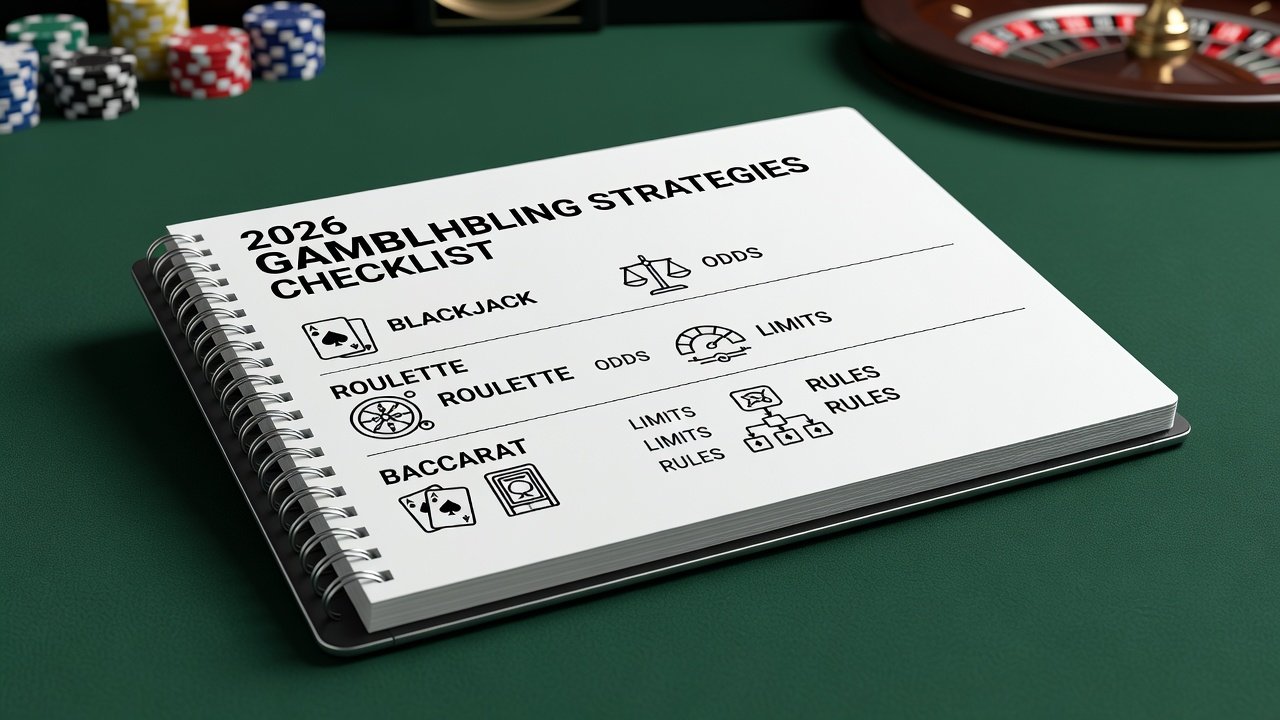
Visiting a casino for the first time can be exciting yet overwhelming. In 2026, first-time visitors benefit from understanding core strategies that emphasize low-risk play, responsible decision-making, and enjoyment over chasing wins. This guide covers essential topics like bankroll management, game-specific tactics for blackjack, roulette, and baccarat, plus ways to sidestep common mistakes. Whether you plan a land-based visit or online session, these actionable tips help create a structured approach. Always prioritize entertainment and set clear limits before stepping onto the floor. The modern casino environment features advanced technology and varied game options, making preparation even more valuable for newcomers seeking a controlled experience.
Preparing for Your First Casino Visit
Before arriving, research the specific casino rules, dress codes, and available games. Many venues in 2026 offer free beginner workshops or digital apps with tutorials. Pack essentials like identification, a charged phone for tracking, and comfortable clothing for extended sessions. Decide your transportation in advance to avoid impulsive decisions later. Comparing land-based and online options helps: physical casinos provide atmosphere and social interaction, while online platforms often feature demo modes for practice. This preparation phase reduces anxiety and sets realistic expectations for the evening ahead.
Bankroll Management: The Foundation of Smart Play
Effective bankroll management protects your funds and extends playtime. Start by deciding your total budget for the session—treat it as entertainment money you can afford to lose. Divide this into smaller session amounts, such as 20-30% per table or machine. Step-by-step example: If your monthly casino budget is $500, allocate $100 per visit. At a blackjack table with $10 minimum bets, this supports 8-10 hands even during a losing streak. Track every bet in a simple notebook or app to maintain discipline. Never chase losses by increasing bets. Instead, walk away once your session limit is reached. This approach reduces emotional decisions and keeps the experience enjoyable. Consider dividing your bankroll further into win goals and loss limits—for instance, stop if you reach a 50% profit or hit your predetermined loss cap. Psychological benefits include reduced stress and clearer thinking throughout the visit.

Understanding Odds and House Edge
Every casino game has a built-in house edge, representing the mathematical advantage for the casino. In 2026, players who grasp these odds make smarter choices. Blackjack offers one of the lowest house edges (around 0.5% with basic strategy), while roulette sits near 5.26% on American wheels. Compare games before playing: European roulette (single zero) provides better odds than American (double zero). Focus on low-edge options and avoid side bets that inflate the house advantage significantly. Understanding variance is equally important—low-variance games like baccarat deliver steadier results, whereas high-variance slots can produce larger swings. Study payout tables and probability charts available at most tables or online resources to refine your selections throughout the night.
Blackjack Strategy for Low-Risk Play
Blackjack rewards preparation. Learn basic strategy charts that dictate when to hit, stand, double down, or split based on your cards and the dealer’s upcard. Memorize key rules: always split aces and eights, never split tens, and hit hard 16 against a dealer’s 7 or higher. Practical example: You hold a 10 and a 6 (hard 16) while the dealer shows a 10. Basic strategy recommends hitting. Another scenario involves a pair of sevens against a dealer’s 6—splitting creates two stronger hands with higher win potential. Practice free online simulators to internalize these decisions before visiting in person. Card counting remains impractical for most beginners due to casino countermeasures, so stick to basic strategy for consistent risk reduction.
Roulette Strategy and Betting Systems
Roulette strategies focus on managing bets rather than predicting outcomes due to the random nature of the wheel. The Martingale system doubles bets after losses but requires deep pockets and hits table limits quickly—use cautiously or avoid it. Instead, try flat betting: wager the same amount each spin on even-money bets like red/black. This keeps risk consistent. European wheels reduce the house edge compared to American versions, so choose accordingly when available. Outside bets such as dozens or columns offer balanced alternatives for beginners. Always observe wheel bias if present, though modern equipment minimizes this possibility. Combine strategies with strict time limits to prevent extended losing runs.
Baccarat Tips for Beginners
Baccarat is straightforward with three main bets: Player, Banker, and Tie. The Banker bet carries the lowest house edge at approximately 1.06%, making it the preferred choice for low-risk play. Avoid the Tie bet, which has over 14% house edge. Step-by-step: Place a small wager on Banker, follow the shoe’s natural flow without complex patterns, and set win/loss limits per shoe. Many players enjoy the game’s slower pace and social atmosphere at the table. In 2026, some casinos introduce mini-baccarat variants with lower minimums ideal for newcomers. Etiquette includes handling cards gently and announcing bets clearly to maintain smooth gameplay.
Table Etiquette and Common Pitfalls to Avoid
Understanding etiquette enhances your experience and respects fellow players. Wait for the current hand to finish before joining a table, keep chips organized, and tip dealers modestly for good service. Avoid the following pitfalls: Never play under the influence of alcohol, as it impairs judgment. Ignore “hot” or “cold” streaks—each hand or spin is independent. Skip progressive jackpot slots or high-volatility games when starting out. Take regular breaks to reassess your bankroll and mindset. Additional mistakes include ignoring table minimums, failing to read game rules posted at each station, and borrowing money from others at the casino. These habits prevent overspending and maintain control during your visit.
Frequently Asked Questions
What is the best game for first-time casino visitors?
Blackjack or baccarat often suit beginners due to lower house edges and clear strategies compared to slots or roulette.
How much should I bring for my first casino trip?
Decide an entertainment budget in advance—many newcomers start with modest amounts adjusted to personal finances.
Are casino strategies guaranteed to win?
No strategy overcomes the house edge over time, but they minimize losses and maximize enjoyment through disciplined play.
When should I leave the casino?
Exit when you reach your loss limit, win goal, or simply feel fatigued—never extend play to recover losses.
Conclusion
Smart casino strategies in 2026 center on preparation, self-control, and informed choices. By mastering bankroll management, studying game odds, and applying basic tactics for blackjack, roulette, and baccarat, first-time visitors can enjoy a safer, more rewarding experience. Remember to play responsibly and view the casino as entertainment rather than income. For additional guidance on responsible practices, consult resources from World Health Organization, Centers for Disease Control and Prevention, and Substance Abuse and Mental Health Services Administration.

No comments yet. Be the first!