 GambleLore

Introduction to Online Gambling Laws in 2026
Online gambling continues to evolve rapidly in 2026, with new regulations shaping how players engage with casinos, sportsbooks, and poker sites globally. Understanding these laws is essential for safe participation, as governments tighten oversight to combat fraud, protect consumers, and ensure fair play. This comprehensive guide examines key regional differences in licensing and age restrictions, prohibited activities with real-world examples, and actionable compliance strategies for beginners. Whether you are in Europe, North America, Asia, or Australia, laws vary significantly, meaning players must prioritize licensed operators to avoid legal risks and protect their funds. Real-world enforcement actions, such as those by the UK Gambling Commission against non-compliant sites, illustrate the importance of staying informed.
The digital shift accelerated by mobile technology has prompted regulators to update frameworks, incorporating requirements for responsible gaming tools and data privacy. Ignoring these can lead to account suspensions or worse. By focusing on verification methods and player protections, this guide delivers practical value for anyone seeking trustworthy how-to guidance in a complex environment.
Regional Differences in Licensing and Regulations
Licensing forms the backbone of legal online gambling. The United Kingdom maintains one of the most rigorous systems through the UK Gambling Commission, requiring operators to meet strict standards on game fairness, advertising, and player protection. In the United States, regulation remains state-by-state, with only select states like New Jersey and Pennsylvania offering fully licensed online options by 2026, while others maintain prohibitions or limited frameworks. Canada shows similar provincial variation, with Ontario leading in regulated iGaming markets.
Europe demonstrates fragmentation: Malta and Gibraltar act as popular licensing hubs with EU-wide recognition, whereas Germany enforces strict deposit limits and mandatory self-exclusion registers. In Asia, Singapore permits tightly controlled sports betting through authorized channels, but countries like China and India largely prohibit most forms of online gambling, with severe penalties for violations. Australia requires licenses from state authorities and bans many offshore operators from targeting residents. These differences mean players must research local statutes thoroughly before creating accounts or making deposits, as cross-border play often triggers additional compliance hurdles.
Age Restrictions and Prohibited Activities
Age verification remains universal, with most jurisdictions setting the minimum at 18 or 21 years old. UK law mandates operators confirm users are at least 18, imposing heavy fines for failures. Prohibited activities typically include underage gambling, facilitating money laundering, using multiple accounts to exploit bonuses, and accessing unlicensed platforms from restricted regions. Real-world cases from 2025 showed operators fined for weak age checks, highlighting enforcement priorities. Players engaging in prohibited activities risk account closures, forfeited winnings, and potential legal action depending on their location.
Step-by-Step Methods to Verify Site Legality
Verifying an operator's legitimacy protects against scams and ensures access to dispute resolution. Follow these detailed steps for thorough checks:
- Locate the license information in the site footer or about section, then verify its status directly on the regulator's official database rather than trusting the operator's claim alone.
- Examine the full terms and conditions for clauses on fair play, withdrawal processing times, and independent dispute resolution services such as eCOGRA or IBAS.
- Confirm security measures including SSL encryption, two-factor authentication options, and clear privacy policies aligned with data protection laws like GDPR.
- Search for recent player reviews and regulatory actions on independent forums and official sanction lists to identify any history of complaints or license revocations.
- Test customer support responsiveness with pre-account questions about licensing to gauge transparency before committing funds.
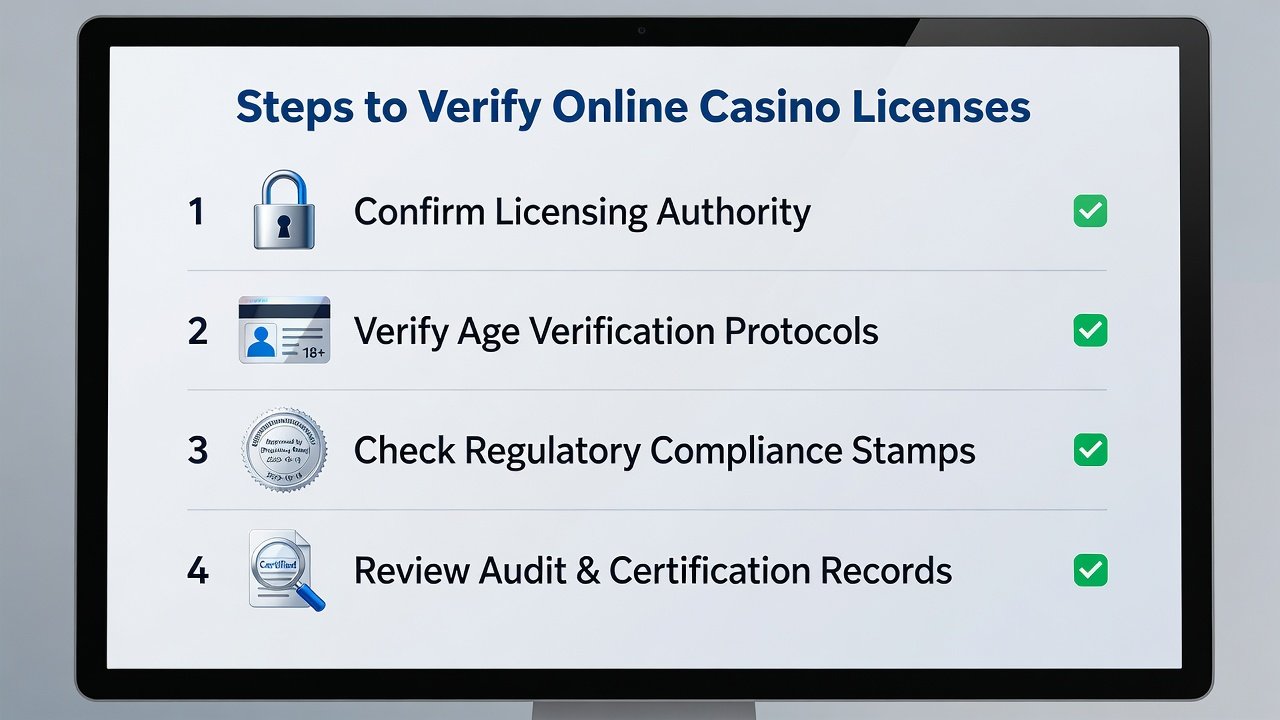
Always begin with official regulator websites to confirm active licenses before depositing any money, and repeat checks periodically as licenses can be suspended.
Tips for Avoiding Unlicensed Operators
Unlicensed sites frequently lure players with unrealistic bonus offers but provide no regulatory oversight or fund protection. Avoid them by rejecting platforms that hide licensing details, target users in banned countries, or pressure quick deposits without verification. Never use unauthorized tools to circumvent geo-blocks, as this can compound legal issues. Instead, favor established brands with transparent ownership structures, regularly audited random number generators, and visible responsible gambling resources.
Comparisons of Player Protections Across Jurisdictions
Player protections differ markedly by region. The UK mandates tools like GamStop self-exclusion and regular third-party audits for maximum safety. US state-regulated platforms emphasize deposit limits and reality checks but offer varying levels of support depending on the state. Licensed EU markets commonly require cooling-off periods and loss limits, while Australian frameworks focus on harm minimization through mandatory pre-commitment systems. These structured protections significantly reduce risks compared to unregulated offshore environments where recourse is minimal.
Practical Checklists for Compliant Play
- Confirm your specific location permits online gambling under current statutes.
- Verify the operator's license status and read all terms before registering.
- Establish personal deposit, loss, and session time limits immediately upon account creation.
- Maintain detailed records of transactions for any applicable tax reporting requirements.
- Enable all available responsible gaming features and monitor your activity regularly.
- Report any suspicious operator behavior directly to the relevant licensing authority.
Case Studies: Compliant vs Non-Compliant Play
A compliant player in the UK selects only Commission-licensed sites, activates GamStop where needed, and adheres to self-set limits, resulting in a secure and enjoyable experience without legal complications. In contrast, a non-compliant user accessing an offshore site from a restricted jurisdiction may encounter frozen accounts, unrecoverable funds, or regulatory notices. Another example involves a player who ignored age verification warnings and faced identity verification blocks plus potential fines. These cases underscore why consistent verification and adherence to rules matter for long-term safety and peace of mind.
Mistakes to Avoid When Navigating Online Gambling Laws
Common errors include assuming all sites with a license logo are legitimate without independent verification, ignoring local prohibitions on specific game types, and failing to update knowledge as laws change annually. Players also sometimes overlook tax obligations on winnings or neglect to review updated terms after major regulatory shifts. Avoiding these pitfalls starts with treating compliance as an ongoing process rather than a one-time check.
Tax and Legal Implications of Online Gambling
Tax treatment varies globally and can affect net returns. Some jurisdictions tax winnings as income while others treat gambling losses as deductions under specific conditions. Always consult official government resources or a tax professional familiar with your location's rules to ensure full compliance and avoid unexpected liabilities.
FAQ: Common Legal Queries on Online Gambling
Is online gambling legal everywhere in 2026?
No, legality depends entirely on your jurisdiction. Always check local laws before participating.
How do I know if a site is licensed?
Look for license numbers and verify them on official regulator sites such as the UK Gambling Commission.
What happens if I play on an unlicensed site?
Risks include loss of funds, lack of dispute resolution, and potential legal penalties in strict regions.
Are there resources for responsible gambling?
Yes, organizations like the National Council on Problem Gambling provide free support and tools.
Do regulations cover cryptocurrency casinos?
Some jurisdictions are beginning to regulate crypto gambling, but players should confirm specific rules with local authorities before engaging.
Conclusion
Staying informed about 2026 online gambling laws empowers players to participate safely and legally. By focusing on licensed operators, following verification steps, using available protections, and avoiding common mistakes, you minimize risks while maximizing enjoyment. Always prioritize compliance for a secure and sustainable experience.

No comments yet. Be the first!