 GambleLore
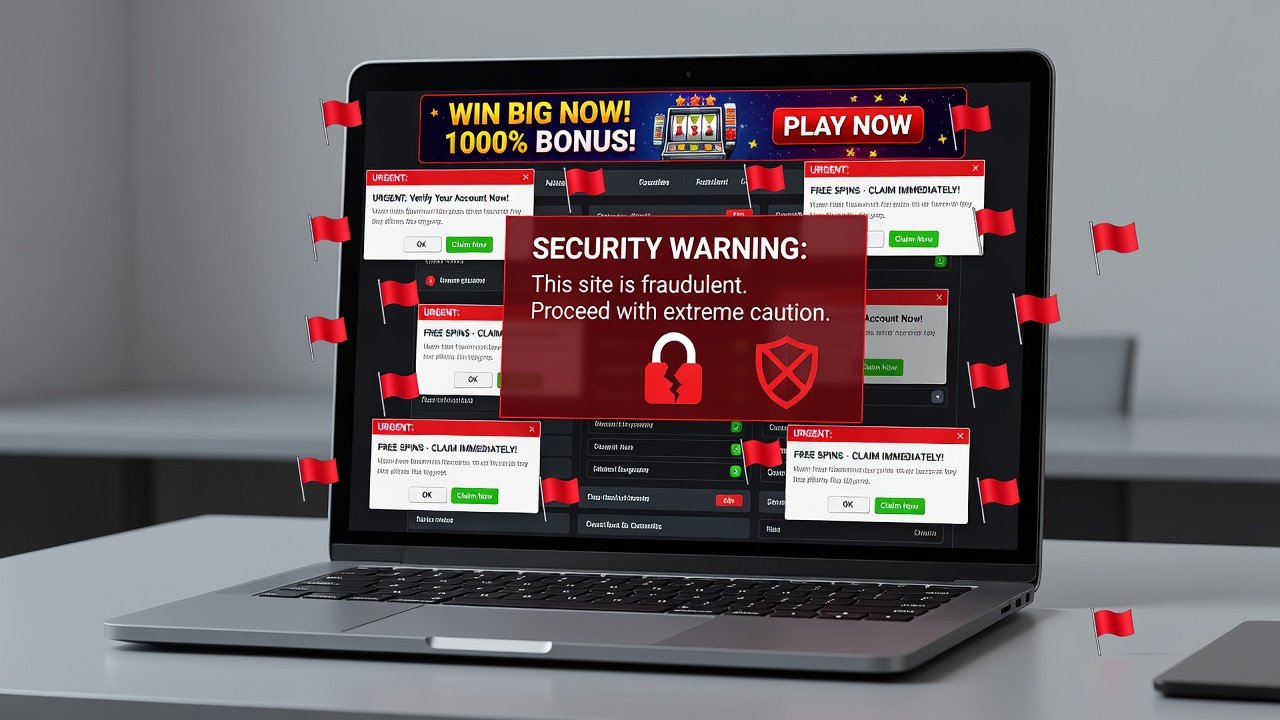
Spotting Online Gambling Scams: 2026 Identification Guide
Online gambling has become a mainstream form of entertainment in 2026, with millions of players accessing platforms from desktops and mobile devices daily. However, this growth has also attracted an increasing number of sophisticated scams designed to steal personal information, funds, and identities. This comprehensive guide examines the most prevalent online gambling scams in 2026 and equips players with practical detection methods, real-world examples, and step-by-step verification processes to ensure safe participation.
Common Online Gambling Scams in 2026
Scammers continuously refine their techniques to exploit unsuspecting players. Fake websites are among the most common threats, replicating the design and branding of legitimate casinos to capture deposits that are never returned. These sites often feature stolen logos, fabricated testimonials, and counterfeit licensing seals. Rigged applications distributed through unofficial channels promise exceptional win rates but use manipulated algorithms to ensure consistent player losses. Phishing schemes remain highly effective, with fraudulent emails or text messages impersonating trusted operators and directing users to malicious login pages that harvest credentials.
Additional tactics include bonus abuse traps where promotions appear generous but include hidden clauses that make withdrawal impossible. Rogue affiliate programs promote scam sites in exchange for commissions, flooding search results with misleading recommendations. Social media impersonation accounts pose as customer support representatives to extract sensitive data under the guise of resolving account issues.
Real-World Examples
In early 2026, authorities uncovered a network of cloned casino domains that mirrored a popular European operator. Players deposited using cryptocurrency only to find withdrawal requests ignored after initial small payouts. Another case involved a mobile app marketed on third-party forums that installed keyloggers, compromising banking details of thousands of users. A phishing campaign targeting poker enthusiasts sent fake tournament invitations leading to credential theft and subsequent account takeovers on legitimate platforms.
Red Flags to Watch For
Recognizing warning signs early can prevent significant losses. Key indicators include unrealistic bonus structures with wagering requirements exceeding 100 times the deposit amount, absence of clear licensing details or references to obscure regulators, and websites with outdated security certificates or broken navigation. Additional red flags encompass aggressive marketing that pressures immediate action, predominantly negative feedback on independent forums highlighting payout delays, and unsolicited communications requesting verification of personal or financial information.
- Offers that sound too good to be true, such as no-deposit bonuses without playthrough conditions
- Lack of transparent terms and conditions or privacy policies
- Customer support that responds slowly or provides generic answers
- Payment methods limited to untraceable options like cryptocurrency without alternatives
- Domains registered recently with privacy-protected WHOIS data
- Inconsistent branding across desktop and mobile versions
Verification Steps for Casino Legitimacy
Thorough verification protects players from fraudulent operations. Begin by confirming the presence of a valid license from established authorities. Cross-reference the license number directly on the regulator's official database. Examine the site footer for seals from independent testing agencies that audit random number generators and payout percentages. Test support channels by sending a pre-deposit inquiry and evaluating response time and professionalism.
Review the site's security features, ensuring HTTPS encryption is active and that data protection policies comply with international standards. Analyze withdrawal processing times listed in the terms and compare them against player reports on reputable review aggregators. Verify that game providers are well-known entities with their own regulatory oversight.
Always start with minimal test transactions to confirm the full deposit-to-withdrawal cycle functions correctly before committing larger sums. Utilize browser tools to inspect domain age and ownership history.
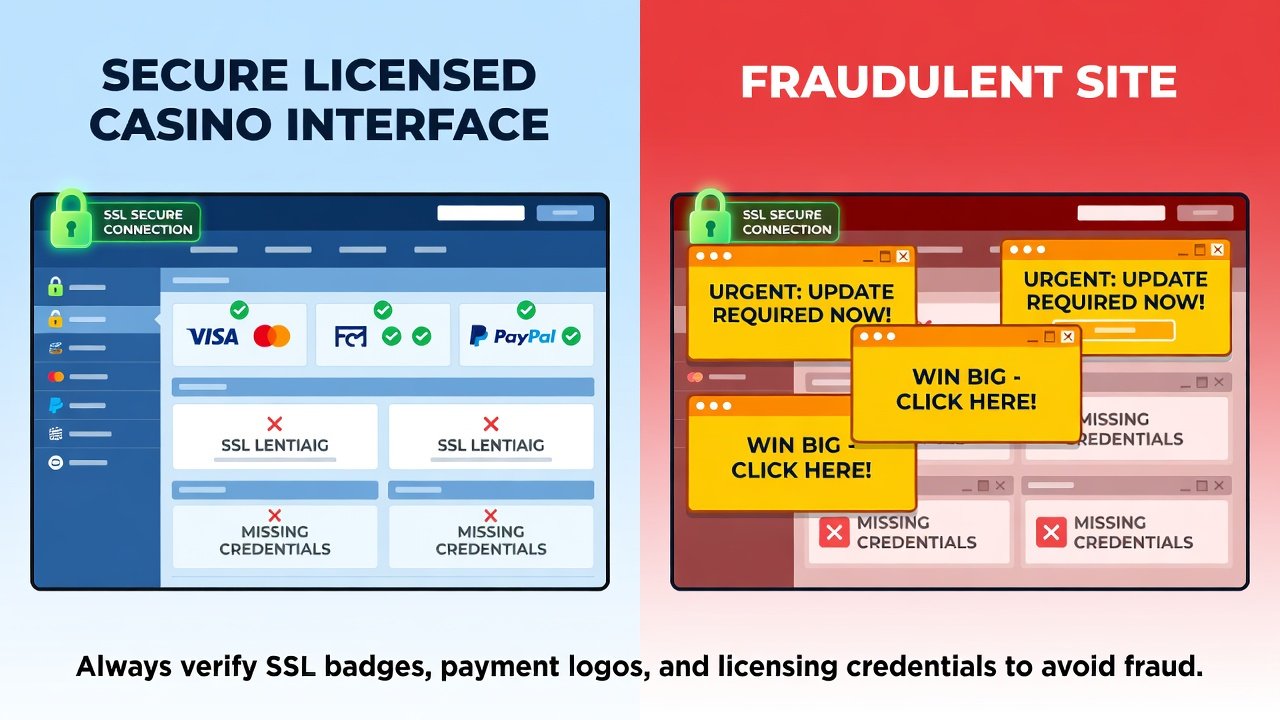
Secure Versus Fraudulent Platforms Comparison
Secure platforms maintain clear ownership information, publish audited financial reports, and offer diverse verified payment options including bank transfers and e-wallets with documented processing timelines. They feature responsive multilingual support and honor bonus terms without retroactive changes. Fraudulent sites obscure ownership, change bonus conditions without notice, and employ tactics such as account freezes during withdrawal attempts. They often lack encryption upgrades and display inconsistent contact details across pages.
Practical Checklists and Expert Tips
Implement these structured checklists before engaging with any platform. First, conduct background research using multiple independent sources. Second, validate all promotional offers against actual terms rather than marketing copy. Third, maintain separate accounts and passwords exclusively for gambling activities.
- Perform a search combining the operator name with terms like scam, complaint, or withdrawal problems
- Confirm the exact domain spelling matches the official site listed on regulator pages
- Initiate small deposits and request withdrawals within the first week of activity
- Activate two-factor authentication and regularly review login history
- Avoid clicking links from emails or social media; type URLs manually
- Keep detailed records of all transactions and communications
Expert recommendations emphasize diversifying research across regulatory sites, player forums, and technical security checkers. Avoid sharing unnecessary personal details and consider using virtual private networks for additional privacy during sessions.
Recovery Advice If Victimized
If you suspect victimization, act immediately to limit damage. Compile comprehensive documentation including transaction IDs, screenshots of communications, and account statements. Contact your financial institution or payment processor to initiate chargebacks or disputes. Report the incident to relevant consumer protection agencies and law enforcement portals for potential investigation and recovery assistance.
Update all affected passwords and enable additional security layers on linked accounts. Monitor credit reports and bank statements for signs of identity theft. Consult legal professionals familiar with online fraud cases for guidance on further actions.
Prevention Tools and Resources
Leverage available tools to enhance protection. Browser extensions that scan for malicious sites provide real-time alerts. Password managers generate and store complex credentials securely. Regular updates to antivirus software detect malware commonly bundled with rigged applications. Authoritative resources such as the Federal Trade Commission and the Internet Crime Complaint Center offer reporting mechanisms and educational materials on emerging threats.
Frequently Asked Questions
How do I report an online gambling scam?
Submit detailed reports including evidence to your local consumer protection office, the payment provider involved, and international agencies such as the FTC. Include all relevant screenshots and records to support the complaint.
What prevention tools are most effective in 2026?
Combining licensed operator verification, secure browsing extensions, and dedicated email addresses for gambling reduces exposure significantly. Consistent monitoring of account activity and adherence to well-established platforms further strengthens defenses.
Can I recover funds lost to a scam site?
Recovery depends on payment method and timeliness of reporting. Chargeback options through credit cards or certain e-wallets offer the best chances, while cryptocurrency transactions are often irreversible.
Conclusion
Vigilance and informed decision-making are essential for navigating the online gambling landscape safely in 2026. By applying the identification techniques, verification protocols, and recovery strategies outlined in this guide, players can minimize risks and focus on responsible entertainment. Prioritize platforms with proven track records and remain alert to evolving scam methodologies.


No comments yet. Be the first!