 GambleLore

Overcoming Gambling Addiction: Real-Life Success Stories
Gambling addiction affects millions worldwide, but recovery is possible with responsible practices and safe betting strategies. In this article, we examine three real-life case studies of people who turned their lives around. Each story highlights the specific risks they faced, the recovery steps they took, and how resources—including forward-looking 2026 AI monitoring tools—played a crucial role in their success. These narratives underscore the power of self-awareness, support systems, and technology in promoting healthy gambling habits.
According to the National Council on Problem Gambling, early intervention and responsible tools can significantly reduce relapse rates. Let's dive into these transformative journeys.
Case Study 1: John's Battle with Sports Betting Losses
John, a 35-year-old accountant from Chicago, started betting on sports as a fun pastime during football season. What began as casual wagers quickly escalated into a high-stakes addiction. The primary risks he faced included chasing losses—doubling bets to recover money—and emotional betting driven by stress from work.
Over two years, John lost over $50,000, leading to debt, strained relationships, and anxiety. His turning point came when he hit rock bottom after maxing out credit cards on a single NBA game.
Recovery Steps
- Self-Exclusion: John registered for self-exclusion on major sportsbooks, blocking access for 12 months.
- Budgeting Tools: He adopted a strict gambling budget using apps that cap daily deposits.
- Therapy and Support Groups: Attending Gamblers Anonymous meetings provided accountability and coping strategies.
- Safe Betting Shift: Post-recovery, John returned to gambling with fixed stakes (1% of bankroll per bet) and only on researched picks.
By year three, John was debt-free and gambling responsibly, proving that structured limits work.
Case Study 2: Maria's Slot Machine Spiral
Maria, a 42-year-old teacher from Las Vegas, fell into slots addiction at local casinos. Risks included the near-miss illusion—feeling close to wins—and extended sessions due to free drinks and comps, leading to $30,000 in losses and neglected family duties.
Her addiction peaked during the pandemic, with online slots replacing physical machines. A family intervention prompted change.
Recovery Steps
- Reality Checks: Using pop-up reminders on gambling sites to track time and money spent.
- Cognitive Behavioral Therapy (CBT): Sessions helped reframe gambling as entertainment, not income.
- Peer Networks: Joining online forums for slots enthusiasts focused on responsible play.
- Bankroll Management: Setting session limits (e.g., $100 max, quit after 20% loss) and walking away rules.
Maria now enjoys slots occasionally with safeguards, maintaining a positive balance for two years.
Case Study 3: Alex's Poker Addiction and the Rise of AI Tools
Alex, a 28-year-old software developer from London, was hooked on online poker. Risks were tilt playing (emotional decisions post-loss) and multi-tabling, resulting in $40,000 lost and job performance dips.
Alex's recovery leveraged cutting-edge tech, foreshadowing 2026 advancements.
Recovery Steps
- Tracking Software: Tools like PokerTracker analyzed play patterns, revealing tilt triggers.
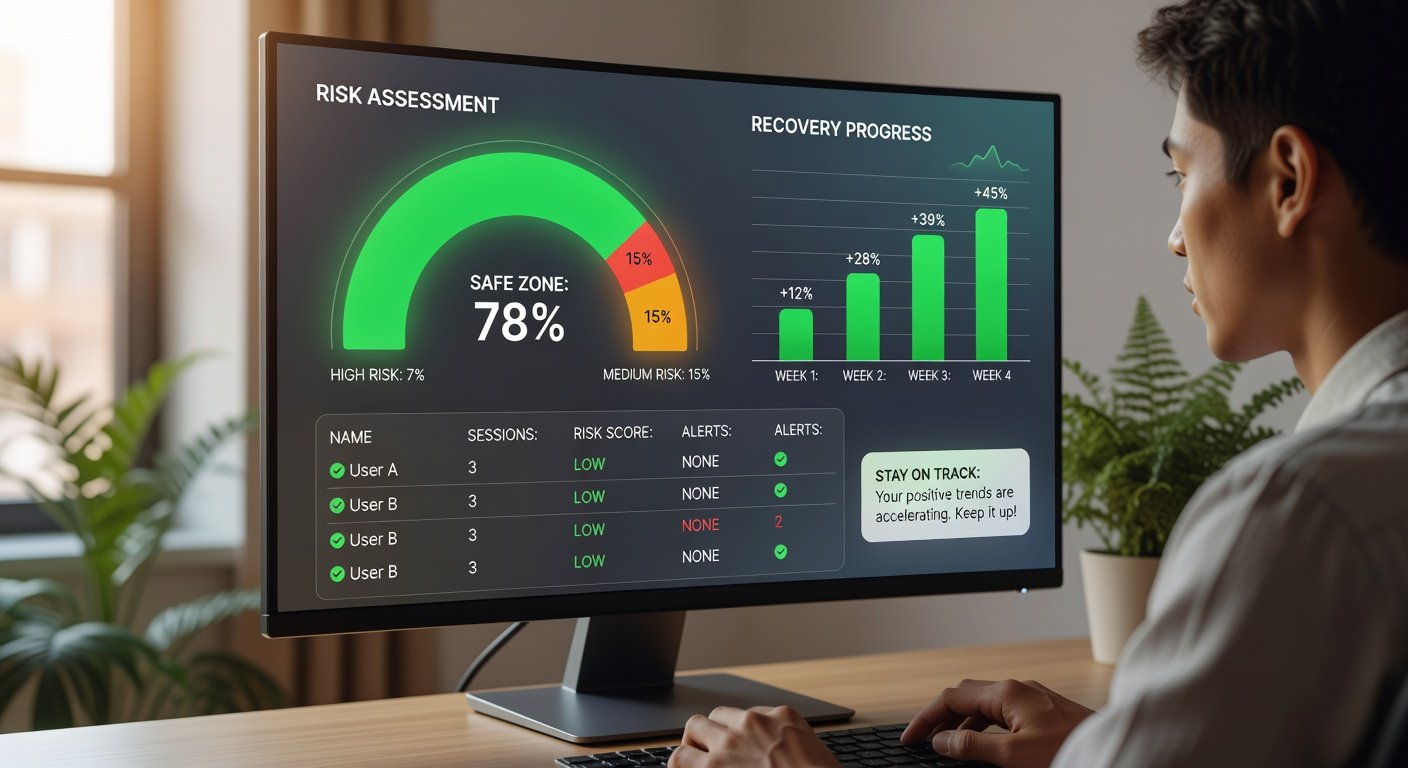
- AI Monitoring (2026 Preview): Early adopters like Alex used beta AI apps that detect addictive patterns in real-time—alerting on excessive sessions or bet sizes. By 2026, expect widespread tools from platforms integrating machine learning for personalized limits, as discussed in industry reports.
- Responsible Platforms: Switching to sites with built-in safeguards like mandatory breaks.
- Mindfulness and Coaching: Daily meditation and a professional coach enforced discipline.
Alex now profits modestly from poker, thanks to data-driven safe strategies and AI oversight.
Key Takeaways for Safe Betting
These stories reveal universal principles for anyone engaging in gambling:
- Set Limits Early: Use deposit, loss, and time limits before playing.
- Recognize Risks: Watch for chasing losses, emotional bets, or session creep.
- Leverage Resources: Support groups, therapy, and tools like self-exclusion are lifesavers.
- Embrace Technology: 2026 AI monitors will predict and prevent addiction—stay ahead by using current apps.
- Bankroll Discipline: Never risk more than you can afford; treat it as entertainment.
For more guidance, visit BeGambleAware. Responsible gambling isn't about abstinence—it's about control and enjoyment. If you're struggling, seek help today.


No comments yet. Be the first!