 GambleLore

Introduction to Crypto Betting Risks in 2026
Cryptocurrency betting has grown rapidly, offering speed and privacy that traditional platforms cannot match. However, these advantages come with amplified risks of addiction and financial loss. The anonymity of blockchain transactions and extreme market volatility create unique psychological pressures that demand specialized responsible gambling approaches tailored specifically for digital asset users. In 2026, as adoption continues to rise, understanding these dynamics becomes essential for anyone engaging with crypto-based wagering sites.
This comprehensive guide examines the core challenges of crypto-based wagering and provides actionable strategies for safe participation. Readers will learn wallet management techniques, early warning signs of problematic behavior, regulatory nuances across jurisdictions, and methods to maintain control amid instant transfers. By exploring comparisons with traditional gambling and offering real-world mitigation examples, the article equips users with knowledge to enjoy betting responsibly while minimizing harm.
Regulatory Differences Between Crypto and Traditional Gambling
Traditional online casinos operate under strict licensing from bodies like state gaming commissions, requiring age verification and self-exclusion tools. Crypto platforms often function in gray areas with lighter oversight, especially on decentralized sites. This reduced regulation can lead to fewer consumer protections and higher exposure to unfair odds or platform insolvency. Bettors may encounter operators that lack mandatory responsible gambling features common in licensed fiat environments.
Users must research jurisdiction-specific rules carefully. For instance, some regions treat crypto as property for taxation while others impose outright bans on unlicensed operators. Understanding these variances helps bettors avoid legal pitfalls while prioritizing platforms with transparent licensing. Resources from international health authorities provide additional context on global gambling trends and policy recommendations.
Psychological Triggers from Instant Crypto Transfers
Instant deposits and withdrawals in cryptocurrency heighten emotional highs and lows. Unlike bank transfers that impose cooling periods, crypto moves in seconds, encouraging impulsive decisions. Volatility adds another layer: a sudden price swing can turn a winning session into a loss or vice versa, fueling chase betting and creating a cycle of rapid escalation that traditional systems naturally interrupt.
These triggers exploit the brain's reward system more intensely than slower fiat systems. The combination of speed, privacy, and fluctuating values can distort risk perception, making small bets feel inconsequential until losses accumulate. Recognizing this dynamic is the first step toward building mental safeguards against rapid escalation of bets and maintaining long-term control.
Recognizing Early Signs of Addiction in Crypto Gambling
Early detection prevents escalation. Common indicators include increasing bet sizes to chase previous losses, neglecting work or relationships due to betting sessions, and hiding activity from loved ones. Crypto-specific signs involve obsessively monitoring wallet balances or using multiple exchanges to bypass self-limits set on primary accounts.
- Emotional distress when unable to access crypto funds quickly for another wager
- Repeated failed attempts to reduce time spent on betting sites or apps
- Using winnings exclusively to fund further wagers without cashing out to fiat
- Secretive behavior around transaction histories and wallet addresses
- Justifying larger bets by referencing recent market gains rather than disposable income
If these patterns emerge, immediate steps like account pauses and professional consultation become essential to interrupt the progression toward more severe issues.
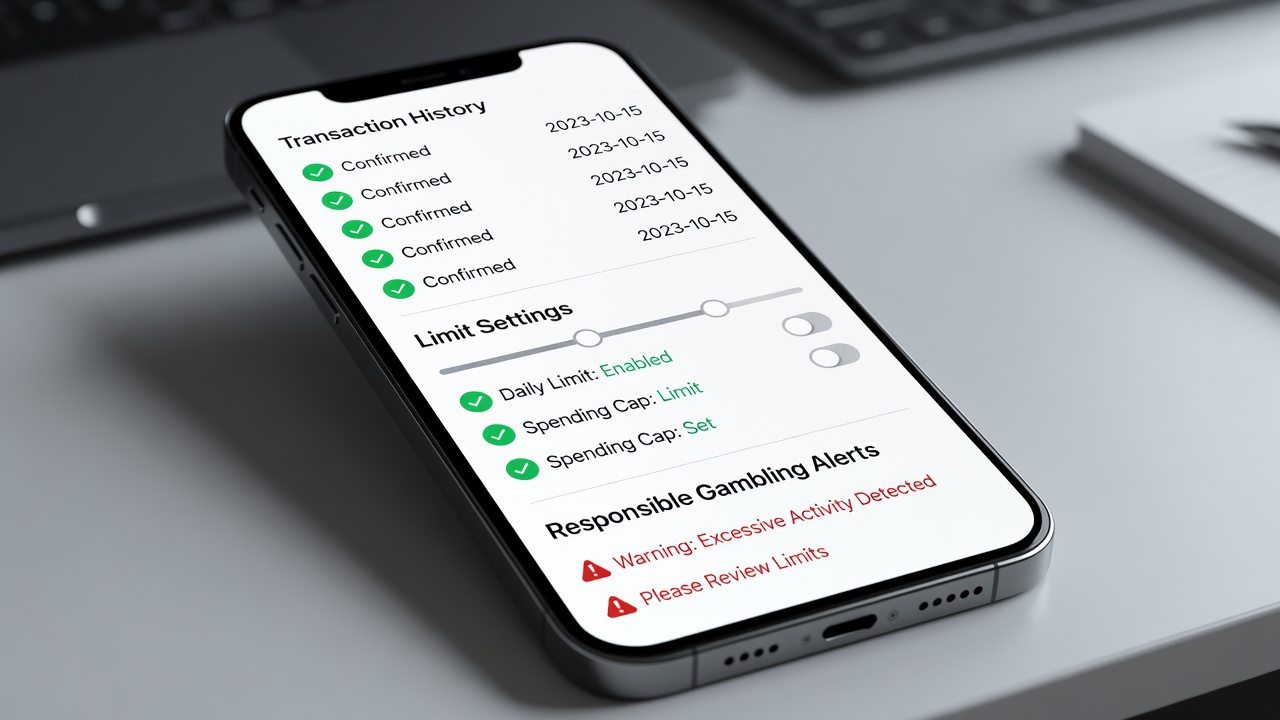
Practical Steps for Setting Crypto-Specific Limits
Effective limit-setting starts with separating gambling funds from primary holdings. Create dedicated wallets solely for betting and establish hard caps on weekly deposits based on disposable income. Enable platform tools for session timers and loss thresholds where available, and combine them with personal rules that account for blockchain's unique speed.
- Calculate a monthly entertainment budget and convert only that amount to crypto, keeping the rest in cold storage
- Use hardware wallets with transaction approval delays for added friction against impulsive moves
- Track every bet in a personal spreadsheet including timestamps, amounts, and outcomes for pattern analysis
- Schedule mandatory 48-hour cooling periods after any large win or loss to restore perspective
- Share accountability with a trusted contact who reviews activity monthly and provides objective feedback
- Implement automated alerts via wallet apps when approaching predefined thresholds
These measures counteract the speed of blockchain while preserving enjoyment and preventing unintended overextension.
Wallet Management and Transaction Tracking Best Practices
Secure wallet practices form the backbone of responsible crypto gambling. Employ multi-signature setups and avoid storing large balances on exchange hot wallets. Regularly export transaction logs to analyze spending patterns over time and identify deviations from intended budgets early.
Tools like blockchain explorers allow independent verification of activity without relying solely on platform reports. Set alerts for unusual transfers and maintain backups of seed phrases in offline locations. Consistent tracking reveals whether betting remains within predefined boundaries and supports informed adjustments to strategies as needed.
Comparing Traditional and Crypto Gambling Risks
Traditional betting benefits from slower processing that naturally curbs impulse control through built-in delays. Crypto accelerates every aspect, from sign-up to payout, removing natural pauses that help regulate behavior. Volatility introduces an extra risk dimension absent in fiat systems, where currency values remain relatively stable and predictable.
However, crypto also enables greater transparency through public ledgers, allowing users to verify platform fairness more easily than opaque traditional operators. The key difference lies in personal responsibility: crypto demands higher self-discipline due to fewer built-in safeguards, making education and proactive planning even more critical for sustainable participation.
Real-World Examples of Risk Mitigation
Consider a bettor who allocates a fixed percentage of monthly income to a dedicated wallet and uses automated scripts to halt activity upon reaching daily thresholds, resulting in sustained moderation over multiple seasons. Another example involves joining peer support groups that discuss crypto-specific triggers such as volatility-induced chase betting, leading to improved awareness and reduced session lengths. A third case features an individual who integrated transaction tracking with family accountability checks, successfully avoiding escalation during market upswings by enforcing strict separation of funds. These cases demonstrate that structured approaches yield measurable improvements in control and long-term well-being.
Frequently Asked Questions
What are the tax implications of crypto betting winnings?
Most jurisdictions classify crypto as taxable property. Winnings and losses must be reported accurately, often requiring detailed records of acquisition costs and fair market values at the time of each transaction to comply with local regulations.
Where can I find recovery resources for crypto gambling addiction?
Reputable organizations include World Health Organization mental health resources and Gamblers Anonymous meetings, which address technology-facilitated addictions alongside traditional support networks.
How do I choose a safer crypto betting platform?
Prioritize sites with provably fair algorithms, clear licensing information, and built-in responsible gambling features such as deposit limits and reality checks to enhance user protection.
Conclusion
Mastering responsible gambling in the crypto era requires proactive strategies tailored to blockchain's speed and anonymity. By implementing wallet controls, recognizing addiction signals early, comparing risk profiles with traditional methods, and leveraging external support networks, bettors can enjoy the activity while protecting their financial and mental well-being in 2026 and beyond. Consistent application of these principles transforms potential vulnerabilities into manageable aspects of informed entertainment.


No comments yet. Be the first!