 GambleLore
Peer Support Networks for Responsible Gambling Success
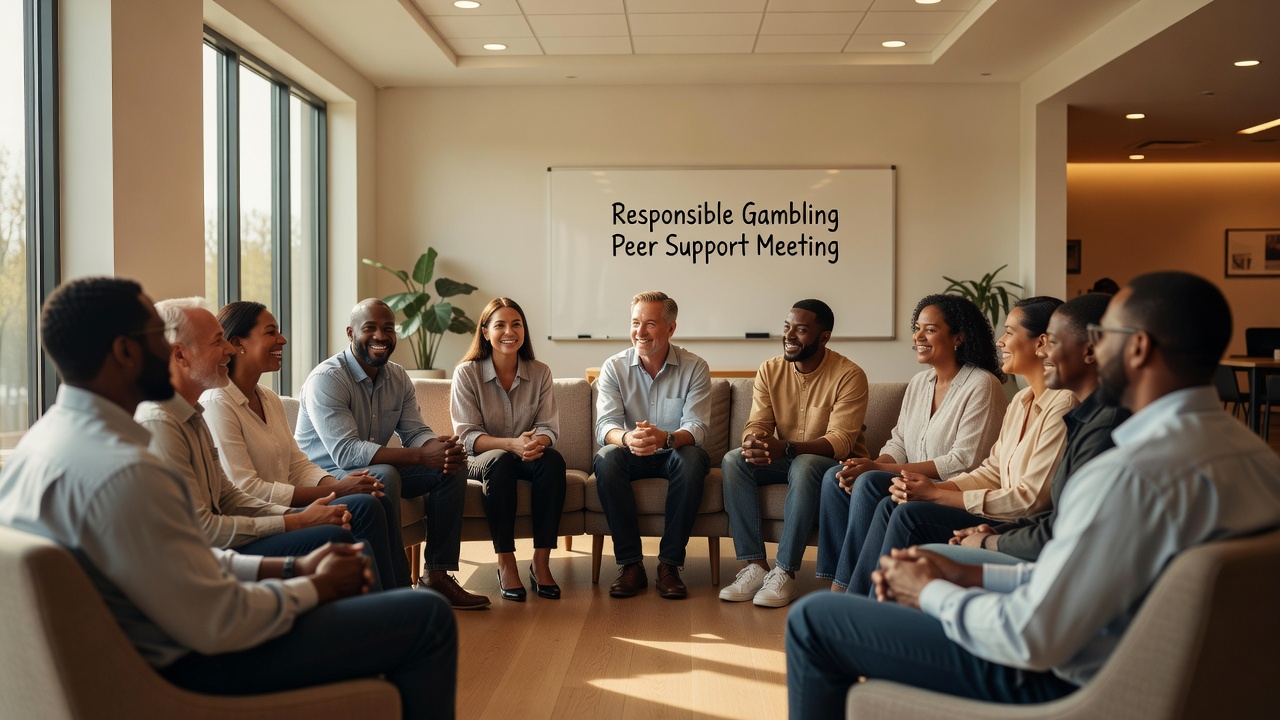
Responsible gambling requires more than personal willpower. Peer support networks offer community accountability, shared experiences, and practical tools that help individuals maintain safe betting habits and reduce the risk of addiction. These groups connect people facing similar challenges, creating environments where members can discuss triggers, celebrate milestones, and refine strategies together. For those seeking alternatives to solitary approaches, these networks provide a vital layer of social reinforcement that has proven effective in sustaining long-term behavioral changes.
What Are Peer Support Networks in Responsible Gambling?
Peer support networks consist of individuals who voluntarily share their journeys with gambling. Unlike professional therapy, these groups emphasize mutual aid and lived experience. Members exchange tips on setting deposit limits, recognizing early warning signs of problem gambling, and developing healthy coping mechanisms. Research from World Health Organization highlights how social connections improve mental health outcomes, including those related to behavioral addictions. Participants often find that hearing real stories from others normalizes their struggles and reduces feelings of isolation that frequently accompany gambling issues.
Identifying Effective Support Groups
Not all groups deliver the same value. Look for organizations with structured meetings, trained facilitators, and clear confidentiality policies. Effective groups maintain regular schedules, provide both in-person and virtual options, and track member progress without judgment. Check reviews on independent forums and verify that the group aligns with evidence-based practices rather than promoting gambling systems. Consider factors such as group size, diversity of experiences represented, and the presence of follow-up resources like workbooks or digital check-in tools. Groups affiliated with established recovery organizations tend to offer higher consistency and better outcomes for members committed to responsible gambling.
Building Accountability Partnerships
Within a network, forming one-on-one accountability partnerships amplifies results. Partners agree to weekly check-ins, share betting logs, and call each other during high-risk moments. Successful pairs set mutual goals such as maintaining a monthly loss limit and review progress together. This relationship adds an extra layer of commitment that solo efforts often lack. To build a strong partnership, start by discussing personal triggers openly, agree on communication frequency, and establish a non-judgmental tone for feedback. Over time, these partnerships can evolve into lifelong support systems that extend beyond gambling management into overall wellness.
Integrating Peer Feedback into Daily Safe Betting Routines
Daily routines benefit greatly from collective wisdom. Members might adopt peer-suggested techniques like the 24-hour rule before placing large bets or using apps that block gambling sites during vulnerable hours. Feedback sessions help refine these habits. For example, one member’s suggestion to journal emotions before betting can become a standard practice across the group after positive results are shared. Integrating this feedback requires consistent self-monitoring and willingness to adjust routines based on group insights. Many networks provide templates for daily logs that members can customize, making it easier to incorporate new strategies without overwhelming existing schedules.
Real-World Examples of Group Success Stories
One long-running online network helped a member reduce weekly betting time from 15 hours to under three by implementing group-chosen time-tracking methods. Another in-person circle supported a participant through a six-month abstinence period after previous solo attempts failed. A third example involves a mixed online and in-person group where members created a shared resource library of coping exercises, leading to a collective 40 percent reduction in reported gambling urges over eight months. These stories demonstrate how shared accountability turns intentions into sustained behavioral change and illustrate the power of collective problem-solving in diverse settings.
Step-by-Step Guide to Joining or Forming Networks
- Research local and online options through reputable directories and verify credentials of facilitators.
- Attend an introductory meeting to assess group dynamics, confidentiality standards, and alignment with your personal goals.
- Commit to consistent participation for at least eight weeks to allow relationships and routines to develop fully.
- If no suitable group exists, recruit two to four like-minded individuals and establish basic ground rules covering meeting frequency, topics, and privacy expectations.
- Schedule recurring meetings, rotate facilitation duties to keep engagement high, and introduce periodic reviews of group effectiveness.
- Document progress collectively and celebrate milestones to reinforce positive habits and maintain motivation over time.
Online Versus In-Person Options
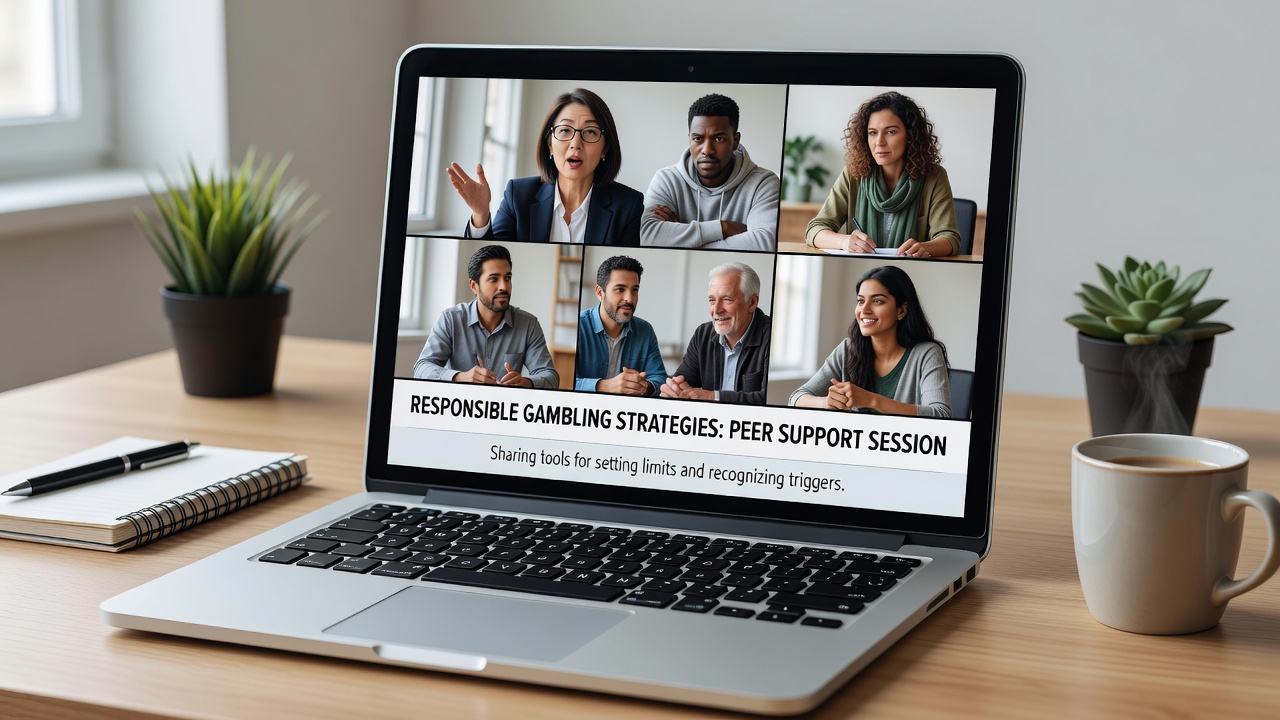
Online groups provide 24/7 access and geographic flexibility, making them ideal for shift workers or those in rural areas. In-person meetings foster deeper personal connections and nonverbal communication cues that can enhance empathy and understanding. Many people combine both formats for maximum support. Studies from Mayo Clinic indicate that hybrid approaches often yield the strongest long-term adherence to behavioral goals. When choosing, evaluate your lifestyle needs, comfort with technology, and preference for physical presence versus convenience. Hybrid models allow seamless transitions between formats during travel or personal schedule changes.
Mistakes to Avoid When Engaging with Peer Networks
- Joining groups that lack clear structure or trained moderators, which can lead to unproductive discussions or misinformation.
- Skipping confidentiality agreements, risking exposure of sensitive personal information.
- Expecting instant results without consistent attendance and active participation over several months.
- Isolating from professional resources when group support alone proves insufficient for deeper addiction issues.
Conclusion
Peer support networks transform responsible gambling from an isolated struggle into a collaborative effort. By identifying strong groups, building accountability partnerships, and weaving peer feedback into daily routines, individuals significantly improve their chances of long-term success. Whether online or in person, these communities provide the encouragement and practical tools needed to gamble safely and sustainably while fostering meaningful connections that extend well beyond the initial recovery phase.
FAQ
How do peer support networks protect confidentiality?
Reputable groups enforce strict privacy policies, often using first names only or anonymous handles. Many require members to sign agreements prohibiting discussion of shared stories outside meetings, and some employ encrypted platforms for online sessions to further safeguard information.
Can peer support replace professional treatment for gambling addiction?
Peer networks complement but do not replace professional care. Severe addiction cases benefit most from combining group support with licensed therapy or counseling services, ensuring comprehensive coverage of both emotional and clinical needs.
What are typical long-term outcomes for active participants?
Members who attend regularly for six months or longer report higher rates of maintained betting limits and reduced gambling-related stress compared with those attempting change alone, with many achieving sustained improvements in overall financial and emotional well-being.
How can someone measure progress within a peer support network?
Progress can be tracked through shared goal-setting sessions, monthly reviews of betting logs, and self-reported reductions in urges or time spent gambling. Networks often provide simple metrics like streak tracking or milestone celebrations to keep motivation high.


No comments yet. Be the first!