 GambleLore

Introduction to Journaling for Responsible Gambling
In 2026, responsible gambling remains a critical focus for players worldwide seeking sustainable entertainment. Journaling offers a practical, low-tech method to monitor betting patterns, build self-awareness, and reduce addiction risks. By logging daily activities, users can identify triggers before they escalate into harmful behaviors. This comprehensive guide explains the science behind the practice, provides detailed setup instructions, sample templates, real examples, and strategies for long-term success. Whether you bet occasionally or more frequently, consistent journaling fosters mindfulness and empowers informed decisions that protect your financial and emotional well-being.
Science-Backed Benefits of Daily Logging
Research from institutions like the National Center for Biotechnology Information demonstrates that self-monitoring through journaling improves impulse control and emotional regulation. Regular entries create accountability, highlight emotional patterns linked to gambling, and reinforce positive habits. Studies show that consistent logging can decrease problem gambling behaviors by increasing mindfulness and providing objective data on spending trends. Users report better decision-making, reduced session lengths, and greater satisfaction with their gambling experiences after just a few weeks of practice. Beyond personal insight, journaling aligns with cognitive behavioral techniques that help reframe urges and build resilience against common pitfalls like chasing losses.
Step-by-Step Setup Guide
Setting up your gambling journal requires thoughtful preparation for maximum effectiveness. First, select a dedicated notebook or secure digital app that feels private and accessible. Second, define clear tracking categories including date, time of day, session duration, amount wagered, wins or losses, pre- and post-session mood, and any external triggers such as advertisements or stress. Third, establish a consistent entry routine, perhaps right after each session or before bedtime, to capture fresh details. Fourth, schedule weekly reviews where you analyze patterns, calculate totals, and note improvements. Fifth, set realistic goals based on initial data, such as limiting weekly spend or avoiding certain games. This structured approach transforms vague intentions into measurable, sustainable progress that supports healthier habits over months and years.
Sample Entry Templates
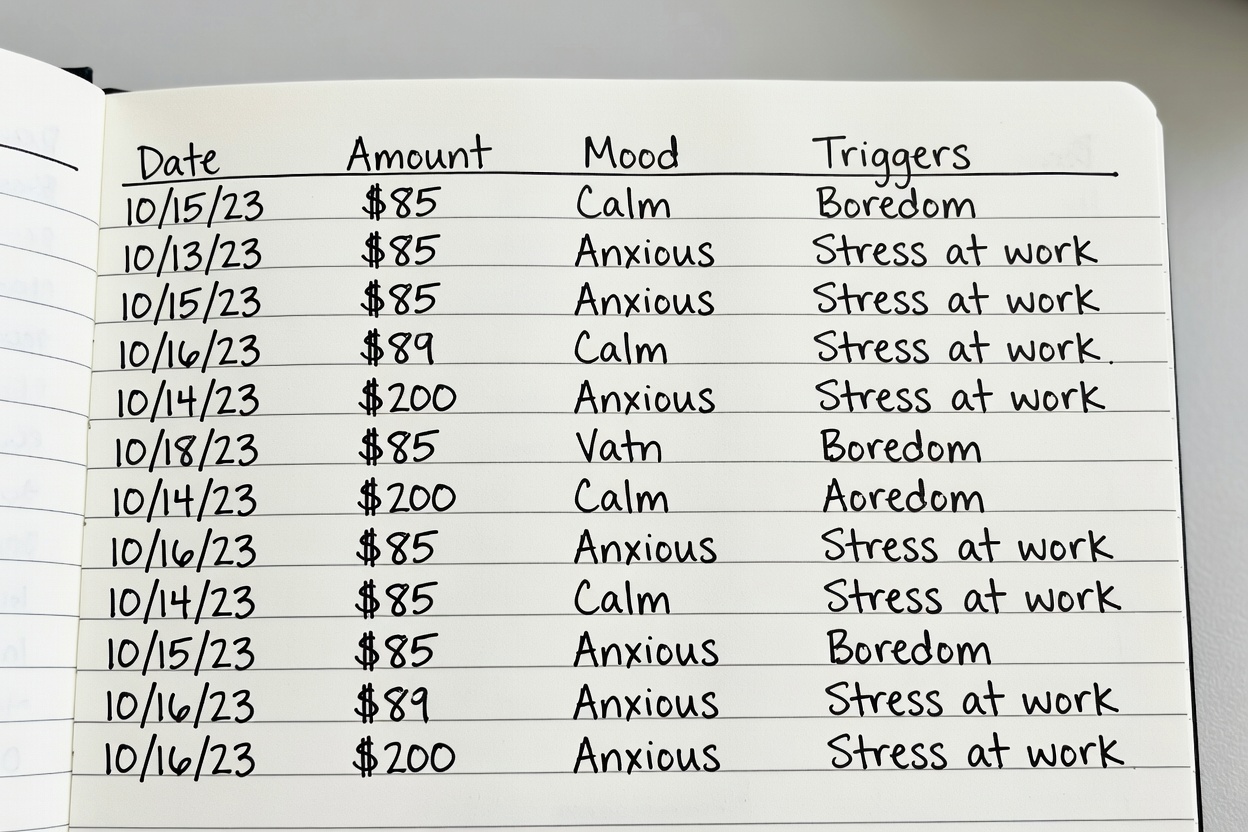
Effective templates balance simplicity with depth. A basic daily entry format includes: Date, Session length, Total amount wagered, Net outcome, Mood rating before and after (on a 1-10 scale), and brief notes on triggers or environment. An advanced template expands this with reflection prompts such as "What emotion preceded the urge to play?" "Did I stick to my pre-set limit?" and "What alternative activity could I have chosen?" Weekly summary templates aggregate data into totals for time and money spent, average mood shifts, and top three triggers observed. Customize these templates by adding personal columns like specific game types or social influences to match your unique betting profile.
Real-World Examples of Journal Entries
Examining authentic examples reveals how journaling uncovers hidden patterns. One user logged: "March 12, 2026 - 60 minutes on blackjack, $85 lost. Mood started at 6/10 after a tough workday and dropped to 3/10. Trigger: online pop-up ads during evening scroll. Plan: disable notifications tomorrow." This entry helped the individual recognize work stress as a key driver and implement phone adjustments. Another detailed weekend entry showed repeated small losses totaling over $200 across three sessions, prompting the user to introduce a strict weekly cap. A third example from a sports bettor highlighted excitement spikes after wins leading to extended sessions; by noting these, the player began exiting after predetermined profit thresholds. These logs demonstrate tangible shifts from reactive to proactive gambling management.
Paper vs Digital Journaling Tools Comparison
Paper journals provide a tactile, distraction-free experience that many find grounding and private, with no risk of data breaches or device dependency. They suit users who enjoy handwriting and visual flipping through past entries. Digital tools, including secure note applications or specialized tracking apps, offer advantages like searchable archives, automatic reminders, data visualization charts, and easy export for professional discussions. Paper works best for simplicity and focus while digital excels when users want analytics or multi-device access. Both approaches deliver strong results when maintained consistently, so experiment with each for one week to determine your preference.
Understanding and Analyzing Your Entries Over Time
Raw entries gain power through regular analysis. During weekly reviews, calculate total hours and dollars spent, identify recurring mood triggers using simple lists, and track whether limits were respected. Create visual summaries such as monthly bar charts of spending or trigger frequency. This process often reveals seasonal patterns, like increased activity during holidays, allowing proactive adjustments. Over three to six months, most users notice measurable declines in risky behaviors and improved emotional awareness around betting decisions.
Integrating Journaling With Other Responsible Gambling Strategies
Journaling complements tools like deposit limits, self-exclusion programs, and cool-off periods. Use journal insights to set personalized limits—for instance, capping sessions at 45 minutes if data shows longer play correlates with regret. Share anonymized summaries with support networks or counselors for additional perspective. Combine entries with mindfulness exercises, such as a two-minute breathing pause before logging, to further strengthen self-regulation skills.
Common Pitfalls to Avoid
Beginners often encounter several obstacles that reduce effectiveness. Skipping weekly reviews leaves data unexamined and patterns hidden. Writing vague entries without emotional context misses key insights into triggers. Inconsistency from forgetting reminders undermines momentum—combat this by pairing journaling with an existing daily habit like brushing teeth. Overcomplicating templates leads to burnout, so start minimal and expand gradually. Finally, neglecting privacy measures can cause hesitation; always store journals securely whether in a locked drawer or encrypted app.
Conclusion
Journaling serves as a powerful self-monitoring tool that helps players maintain control and enjoy gambling responsibly. By systematically tracking risks and reflecting on behaviors, individuals build lasting awareness that protects finances and mental health. Begin with a simple template today, review progress weekly, and refine your approach as insights emerge. Consistent practice yields compounding benefits that support safer, more mindful betting in 2026 and beyond.
Frequently Asked Questions
How do I stay consistent with journaling?
Link entries to an established daily routine such as morning coffee or evening wind-down, and begin with brief one-minute logs to build the habit before expanding detail.
Is my gambling journal private?
Yes, maintain privacy by keeping physical journals in secure locations or using password-protected digital apps. Share content only when you voluntarily seek guidance from trusted professionals or support groups.
Can journaling replace professional help?
No, journaling functions best as a complementary practice. For serious concerns, consult qualified resources referenced on World Health Organization pages or local support services for comprehensive assistance.
What if I forget to log a session?
Record it as soon as you remember with approximate details and note the reason for the delay. Over time, these gaps become less frequent as the routine solidifies.
How long before I see results?
Most users observe clearer patterns and behavioral improvements within two to four weeks of consistent daily entries, with deeper insights emerging after two to three months of weekly analysis.


No comments yet. Be the first!