 GambleLore

Introduction to VR Casinos and Responsible Gambling in 2026
Virtual reality technology is transforming the online gambling landscape in 2026 by creating deeply immersive environments that can simultaneously heighten player engagement and support safer betting practices. Unlike traditional online casinos, VR platforms leverage spatial presence and real-time feedback to make users more aware of their behavior, potentially reducing the risks of addiction and excessive play. This article explores these advancements in depth, focusing on how immersion fosters harm reduction while providing practical comparisons, tools, and guidance for players seeking balanced experiences.
The core advantage lies in VR's ability to simulate physical casino spaces with heightened sensory cues. Players wearing headsets experience realistic table games, slot machines, and social interactions, but leading operators now integrate responsible features directly into these virtual worlds. Research from organizations like the World Health Organization highlights how digital environments can influence behavioral awareness, making VR a promising tool for the gambling industry. As adoption grows, VR is positioned to address long-standing challenges in online gambling by turning passive screen time into active, mindful participation.
Comparing VR Casinos to Traditional Online Gambling Platforms
Traditional online casinos rely on flat-screen interfaces, which often lead to prolonged sessions with minimal physical reminders of time or spending. In contrast, 2026 VR casinos introduce full-body immersion that can interrupt autopilot behaviors. For example, virtual reality setups allow users to physically stand, move, and interact with environments, creating natural breaks that traditional sites lack. This difference is particularly evident in session length data, where VR users report greater awareness of elapsed time due to physical fatigue and spatial orientation.
Key differences include:
- Presence and Awareness: VR heightens self-monitoring through embodied experiences, helping players notice fatigue or emotional spikes sooner than desktop sessions. This can lead to voluntary pauses that reduce overall risk exposure.
- Social Elements: Virtual avatars and multiplayer rooms enable moderated interactions that can flag concerning patterns, unlike anonymous chat in standard apps. Operators can implement community guidelines that promote positive play norms.
- Customization: Players in VR can adjust environmental factors like lighting and sound in real time, supporting personalized limits unavailable in most 2D platforms. This level of control empowers individuals to create less triggering atmospheres.
- Feedback Mechanisms: Immersive visuals provide immediate visual cues about betting patterns, such as glowing indicators on virtual chips, which flat interfaces cannot replicate effectively.
These distinctions position VR as a step forward for harm reduction, though accessibility remains a consideration for users without high-end hardware. Overall, the shift from 2D to 3D environments encourages a more conscious approach to gambling.
Real-Time Risk Detection Mechanics in VR Environments
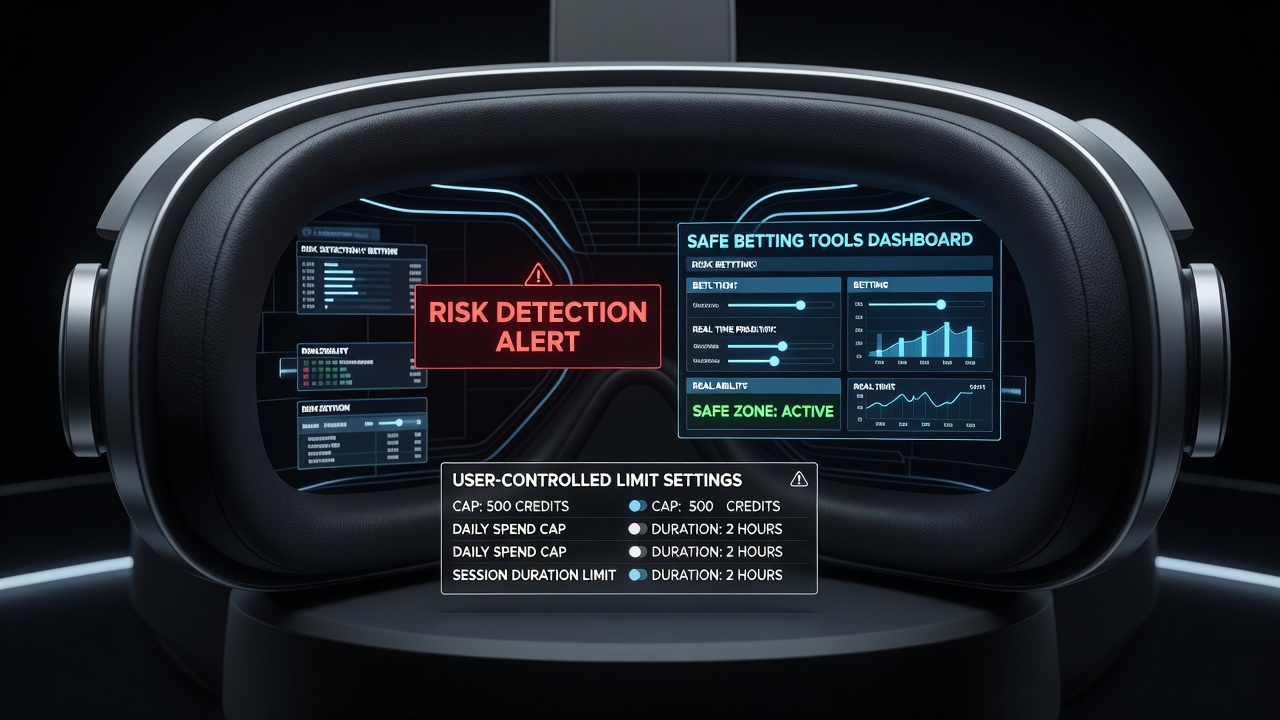
Advanced VR systems in 2026 employ biometric integration and behavioral analytics to detect gambling risks instantly. Sensors in headsets and controllers track heart rate, eye movement, and session duration, triggering subtle alerts when patterns suggest potential issues like rapid betting or extended play without breaks. For instance, if a player's virtual session exceeds predefined thresholds, the system may dim the environment or introduce a virtual companion that prompts reflection on recent activity.
Case examples from operators such as those using Unity-based VR frameworks show reduced average session lengths by 15-20% when these mechanics activate. This technology builds on established principles from addiction studies, offering proactive intervention absent in conventional online setups. Additional mechanics include velocity tracking for bet sizes and pattern recognition for chasing losses, all processed locally to maintain smooth gameplay. By embedding these tools seamlessly, VR reduces the stigma around seeking help and normalizes responsible behavior.
User-Controlled Safe Betting Tools and Features
Empowering players remains central to VR's responsible gambling approach. Built-in tools allow seamless setting of deposit limits, time caps, and loss thresholds directly within the immersive space. Users can access a personal dashboard by gesturing in virtual reality, reviewing spending visuals rendered as interactive graphs. These features promote transparency and self-regulation without disrupting the flow of play.
Additional features include:
- Reality anchors that pause gameplay and display neutral statistics about current session performance.
- Self-exclusion toggles that lock accounts for chosen periods with immediate effect and clear reactivation instructions.
- Emotion recognition prompts that suggest cooling-off periods based on detected stress indicators from biometric data.
- Budget visualization tools that translate spending into relatable virtual objects, such as stacks of chips that shrink as limits approach.
These controls are more intuitive in VR than menu navigation on websites, encouraging consistent use and long-term adherence to personal boundaries.
Step-by-Step Onboarding for Responsible VR Features
Getting started with safe VR gambling involves a structured process to maximize benefits. Follow these steps for optimal results:
- Download a licensed VR casino app and complete identity verification to enable all safety protocols and account protections.
- Configure initial limits during the first login, selecting daily time and spend parameters tailored to your budget and lifestyle.
- Enable biometric monitoring and test alert sensitivity in a practice mode before real-money play to ensure comfort with notifications.
- Explore tutorial environments that simulate risk scenarios to familiarize yourself with detection responses and tool activation.
- Schedule regular reviews of session data through the virtual dashboard to adjust settings as needed and track progress over time.
This onboarding ensures players integrate responsibility from the outset, building habits that support sustainable entertainment.
Case Examples from Leading VR Operators
Several pioneering platforms demonstrate these capabilities effectively. One major operator integrates AI companions that guide players through decisions, resulting in higher voluntary limit adherence across thousands of active users. Another uses spatial audio cues to signal when betting velocity increases, drawing from successful pilots in European markets where player feedback indicated improved self-awareness. A third example involves collaborative virtual tables where group norms encourage breaks, fostering a supportive community atmosphere. These examples underscore VR's potential to blend entertainment with built-in safeguards that adapt to individual needs.
Addressing Accessibility and Privacy in VR Gambling
Common questions around VR gambling often focus on accessibility and privacy concerns. Headsets are becoming more affordable and compatible with standard computers, though entry-level options may limit full immersion for some users. Privacy is maintained through end-to-end encryption of biometric data, with users controlling what information is shared with operators. Operators comply with data protection standards, ensuring transparency in how risk signals are processed and stored. Additional considerations include options for non-biometric modes and clear consent flows during setup.
Actionable Recommendations and Conclusion
For players seeking immersive yet controlled experiences, begin with short VR sessions focused on education modes to build familiarity. Combine these with resources from trusted bodies such as the Centers for Disease Control and Prevention for broader wellness insights. Avoid common mistakes like skipping tutorial steps or ignoring early alerts, which can undermine the protective benefits of the technology. Ultimately, 2026 VR casinos represent an evolution where technology not only entertains but actively supports mindful participation, paving the way for safer gambling futures through thoughtful integration of immersion and responsibility.


No comments yet. Be the first!