 GambleLore
Introduction to Wearable Technology in Responsible Gambling
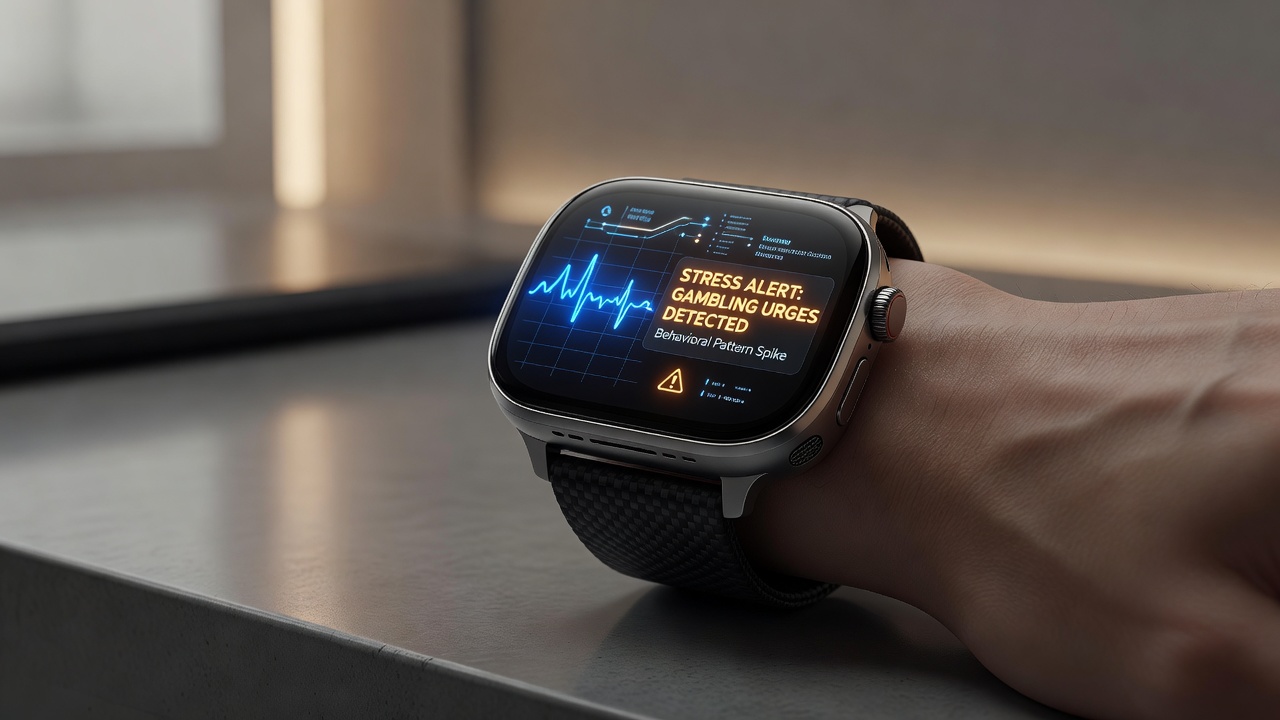
As online gambling platforms expand and become more immersive in 2026, individuals are increasingly seeking advanced tools beyond basic self-exclusion or deposit limits. Wearable technology has emerged as a powerful ally in responsible gambling by tracking physiological indicators such as heart rate variability, skin conductance, and stress responses that often precede impulsive betting decisions. These devices provide real-time insights into the body's reactions, enabling users to recognize and manage urges before they escalate into problematic behavior. Unlike reactive methods, wearables offer continuous monitoring that integrates seamlessly with daily life and digital betting environments.
This comprehensive guide explores the various device types available, their integration with protective apps, practical real-world applications, detailed setup instructions, comparisons with conventional approaches, and critical privacy safeguards. By understanding these elements, users can make informed decisions about incorporating wearables into their responsible gambling toolkit.
Types of Wearable Devices for Monitoring Urges
Smartwatches stand out as the leading category due to their sophisticated sensor arrays and user-friendly interfaces. Devices from major manufacturers feature continuous heart rate monitoring, electrodermal activity sensors, and even blood oxygen level tracking, which collectively help identify spikes associated with gambling excitement or anxiety. Many models also incorporate machine learning algorithms that learn individual baseline patterns over time for more personalized alerts.
Fitness trackers provide a more affordable entry point, focusing primarily on heart rate and movement data while offering sufficient accuracy for urge detection in most users. For those preferring minimal visibility, smart rings deliver discreet monitoring of temperature fluctuations and pulse metrics without the bulk of a wrist device. Hybrid options, such as earbuds with biometric capabilities or chest straps for advanced users, extend possibilities for specialized needs. When selecting a device, consider compatibility with common operating systems and the availability of third-party health data export features that support long-term trend analysis.
Integration with Safe Betting Apps
Integration occurs primarily through secure API connections that allow wearables to transmit anonymized biometric data to responsible gambling applications. This linkage enables features like automatic session pauses when stress indicators rise above user-defined thresholds or contextual prompts suggesting mindfulness exercises during high-risk moments. Several established platforms now include native support for popular wearables, creating a unified ecosystem where betting activity and physical responses are analyzed together.
Users benefit from customizable notification systems that respect personal preferences, such as vibration-only alerts or integration with phone lock screens. This synergy transforms passive monitoring into active prevention, fostering greater self-awareness during play sessions.
Real-World Examples of Alerts and Interventions
One illustrative case involves a user whose smartwatch detected an abrupt increase in heart rate variability while engaged in live sports betting. The device issued a gentle vibration alert accompanied by a message recommending a five-minute pause, which helped the individual step away and reassess their strategy, ultimately avoiding an unplanned deposit. In another scenario, a fitness band user experienced repeated electrodermal spikes during evening slot sessions; the paired app responded by displaying historical data visualizations that highlighted recurring patterns, prompting a voluntary reduction in play frequency.
Additional examples include integration with virtual reality betting environments where wearables trigger environmental changes, such as dimming screens, upon detecting elevated stress. These interventions demonstrate how physiological feedback loops can interrupt automatic behaviors effectively.

Step-by-Step Setup Guide
Follow this structured process to establish reliable monitoring:
- Research and select a wearable with validated stress and heart rate sensors, ensuring it supports data export via Bluetooth.
- Download the official companion app, create an account, and complete initial calibration by wearing the device during varied daily activities for at least three days.
- Identify and install a reputable safe betting app that offers wearable connectivity options.
- Navigate to the app's settings menu to authorize biometric data sharing and define personal alert thresholds based on your typical readings.
- Perform a trial run during a low-stakes session to verify alert timing and adjust sensitivity levels accordingly.
- Schedule periodic reviews of aggregated reports within the app to refine parameters and track progress toward healthier habits.
Consistent maintenance, including firmware updates and sensor cleaning, ensures ongoing accuracy and reliability.
Comparisons to Traditional Responsible Gambling Methods
Conventional strategies such as voluntary exclusion programs, counseling sessions, and printed educational materials provide foundational support yet operate on a delayed or episodic basis. Wearables differentiate themselves by delivering instantaneous physiological data that traditional tools cannot match. For instance, while a support group meeting offers emotional processing after an incident, a wearable can intervene mid-session based on bodily signals.
Nevertheless, the most effective approaches combine both paradigms: using wearables for early detection and established resources like professional therapy for sustained behavioral change. This hybrid model addresses both the immediate triggers and underlying psychological factors.
Practical Tips for Data Privacy
Safeguarding biometric information requires deliberate habits. Begin by auditing all connected applications and revoking unnecessary permissions. Prioritize platforms that employ end-to-end encryption and allow local data storage instead of cloud uploads. Regularly purge historical records and avoid sharing raw data with unverified third parties.
Additional measures include using strong, unique passwords for device accounts and staying informed about manufacturer privacy policies. When possible, opt for open-source health tracking software that gives users full control over their information. These steps minimize risks while preserving the benefits of continuous monitoring.
Emerging Trends and Limitations
Looking ahead, advancements in artificial intelligence promise even more precise urge prediction through multi-sensor fusion. However, current limitations include occasional false positives from non-gambling stressors and variable accuracy across diverse populations. Users should view wearables as complementary aids rather than infallible solutions.
Frequently Asked Questions
How accurate are these devices for detecting urges?
Clinical evaluations indicate stress detection accuracy between 70 and 85 percent depending on calibration quality and individual physiology. They function best as supportive indicators alongside personal judgment rather than standalone medical assessments. For authoritative guidance on behavioral health monitoring, consult resources from the World Health Organization.
Are wearables accessible for all budgets?
Options range from basic fitness bands suitable for beginners to premium smartwatches with advanced analytics. Most users can find functional devices without excessive expenditure by focusing on core biometric features.
Can data be shared with healthcare providers?
Many platforms permit secure export of summarized reports with explicit user consent, facilitating informed discussions during professional consultations. This feature enhances personalized support when integrated thoughtfully.
Conclusion
Wearable technology marks a transformative step forward for responsible gambling practices in 2026. Through continuous physiological monitoring and intelligent app integrations, these tools empower individuals to identify and address urges proactively. When combined with traditional methods and robust privacy practices, wearables contribute to a balanced, tech-enhanced approach that prioritizes long-term well-being and informed decision-making.

No comments yet. Be the first!