 GambleLore
Introduction to Data-Driven Responsible Gambling
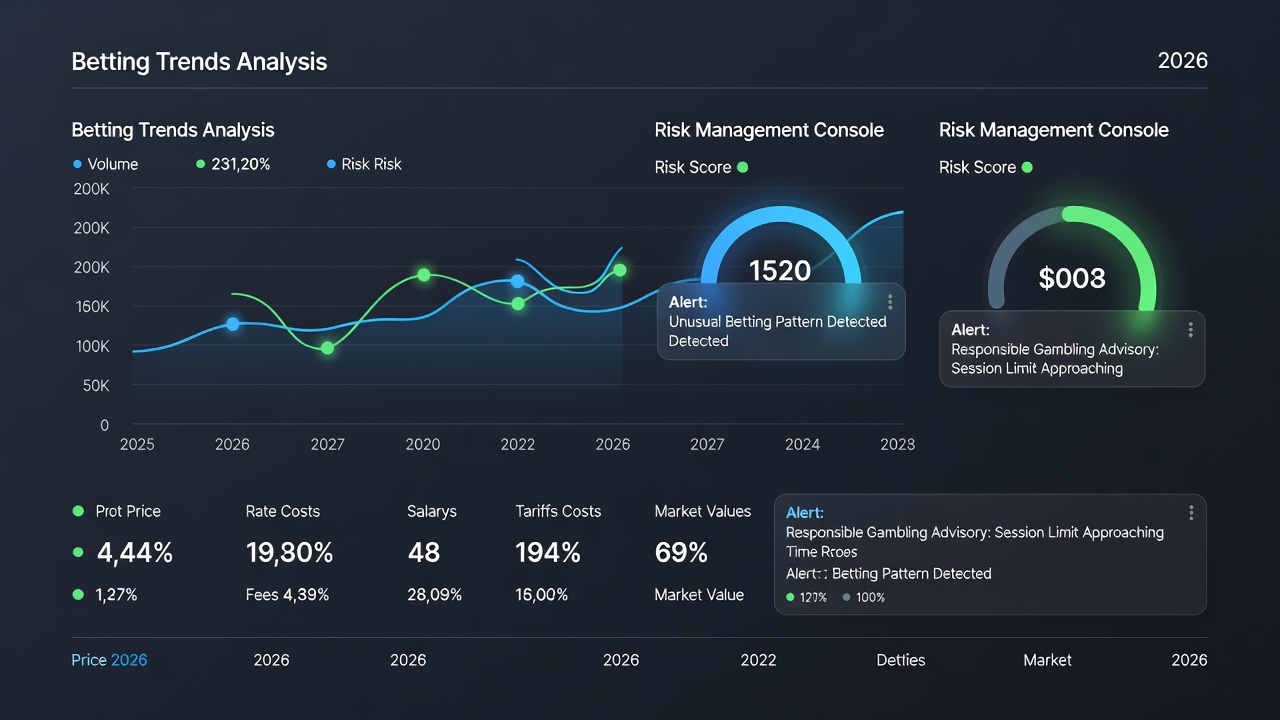
In 2026, responsible gambling has evolved far beyond basic self-exclusion lists and simple deposit limits. Advanced data analytics now allow individuals to monitor personal betting behavior in real time, detect early warning signs of problematic patterns, and implement automated safeguards that adapt to individual habits. This proactive approach uses personal betting data to minimize addiction risks while preserving enjoyment for recreational players who want greater control.
Objective analysis of betting histories often reveals trends that subjective self-assessment misses. Users gain access to quantifiable insights through mobile apps, integrated platforms, and custom dashboards. These tools complement guidance from established organizations such as the National Council on Problem Gambling and help create sustainable habits in an increasingly digital betting environment.
Tracking Betting Patterns with Modern Apps
Contemporary applications connect directly to betting platforms through secure APIs, automatically recording every wager, deposit, withdrawal, and session length. Users can categorize activity by sport, game type, or time of day and generate visual trend reports spanning weeks or months. Granular details such as average stake size, win-to-loss ratios, and peak activity hours become immediately accessible.
Cross-device synchronization ensures a complete picture regardless of whether bets are placed on mobile, desktop, or in-venue terminals. For instance, one user discovered a consistent pattern of higher stakes on weekday evenings after reviewing monthly heatmaps. Such visibility enables early intervention before small deviations grow into larger problems.
Interpreting Key Risk Metrics
Successful data-driven strategies depend on meaningful metrics. Important indicators include deposit frequency above a chosen threshold, loss-to-income ratio, consecutive losing sessions, and variance in bet sizing. Algorithm-generated risk scores combine these variables to highlight potential concerns before they become severe.
Context is essential when reviewing numbers. A sudden increase in bet frequency during periods of reported stress may indicate emotional rather than strategic decision-making. Comparing current figures against personal historical baselines provides an objective measure of change and supports informed adjustments.
Setting Automated Alerts and Interventions
Automation converts awareness into immediate protective action. Users can configure alerts that trigger when daily or weekly loss limits near completion or when session duration exceeds a preset value. Advanced systems can temporarily pause further betting or recommend mandatory cooling-off periods based on detected behavioral shifts.
Linking data platforms with calendar applications or wearable health devices adds another dimension by correlating gambling activity with sleep patterns or reported stress levels, creating a more complete picture of overall well-being.
Data Tools Versus Manual Tracking Methods
Spreadsheets provide maximum customization but require manual data entry and lack real-time processing. Dedicated platforms reduce human error and deliver instant visualizations plus predictive alerts. Many users adopt a hybrid model, exporting CSV files from an app into personal spreadsheets for deeper statistical modeling.
The decision ultimately depends on technical comfort level and the desired depth of analysis. Those seeking simplicity benefit most from fully automated solutions, while users comfortable with formulas may prefer combining both approaches.
Real-World Examples of Data Preventing Overspending
One recreational bettor noticed through app analytics that average stake size had risen steadily over a three-month period. Trend charts revealed a correlation with increased work stress, prompting the user to introduce stricter daily caps and scheduled breaks. Another individual identified a recurring pattern of chasing losses after poor results in a specific sports league and voluntarily excluded themselves from those markets using the platform’s built-in tools.
A third example involved a user who set custom risk-score thresholds. When the score crossed a predefined level during a losing streak, the system automatically suggested a 48-hour pause, which the user accepted and later credited with preventing further overspending.
Step-by-Step Guide to Building a Simple Dashboard
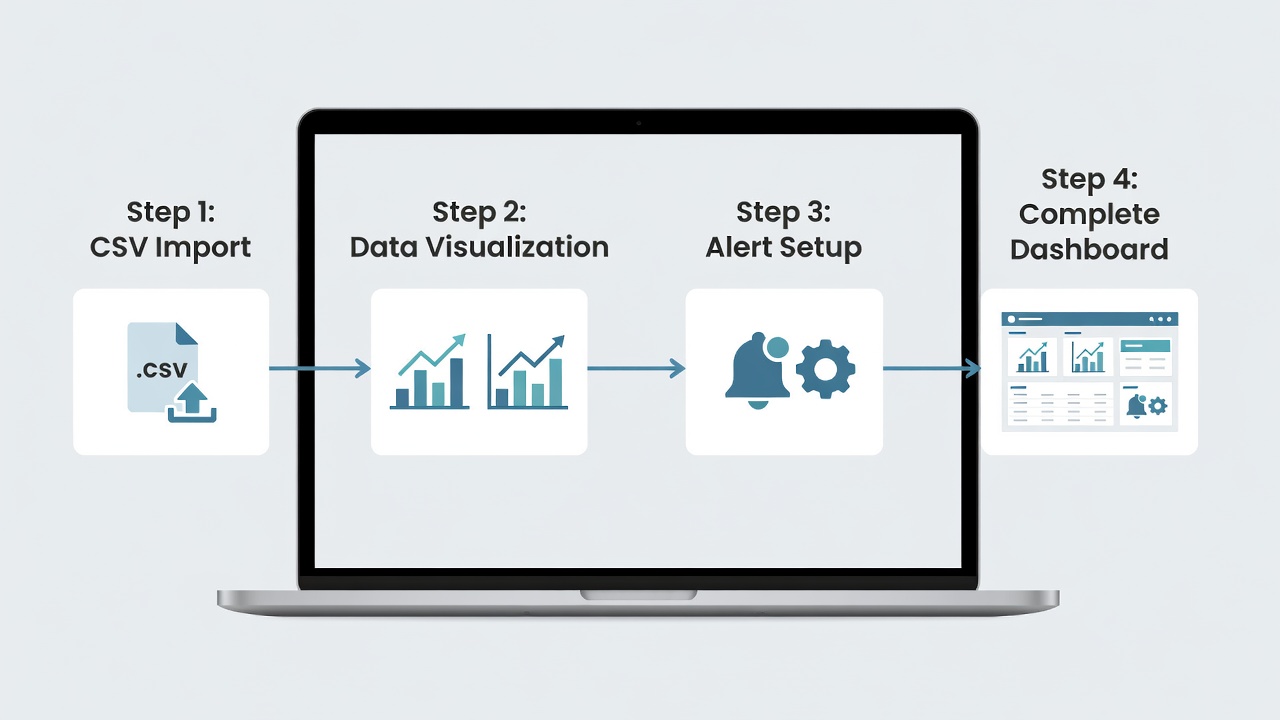
Begin by exporting your complete betting history from your chosen platform in CSV format. Import the file into a free visualization tool such as Google Looker Studio or Tableau Public. Create core visualizations including a line chart showing cumulative net profit over time, a bar chart breaking down wagers by category, and a gauge displaying a custom risk score calculated from your chosen metrics.
Next, configure automated alerts using conditional formatting rules or connected notification services so you receive an email or app notification whenever thresholds are approached. Test the dashboard weekly by adding new data exports and refining formulas as new patterns emerge. This iterative approach ensures the system stays aligned with evolving habits and continues to deliver relevant insights.
Common Mistakes to Avoid When Using Data Tools
- Overlooking data privacy settings and granting unnecessary third-party access.
- Relying solely on automated alerts without periodic manual review of underlying trends.
- Setting unrealistic limits that trigger constant interruptions and reduce overall engagement with the system.
- Ignoring qualitative factors such as emotional state when interpreting purely numerical outputs.
Conclusion
Data-driven approaches offer a powerful evolution in responsible gambling practices for 2026. Combining tracking apps, risk metrics, automation, and personalized dashboards gives individuals precise control that was previously unavailable. When used alongside resources from authoritative bodies such as the World Health Organization and the UK Gambling Commission, these strategies support informed and sustainable participation.
Frequently Asked Questions
How is personal betting data kept private?
Reputable tools employ end-to-end encryption and allow users to choose local storage or limited cloud sync. Always examine privacy policies and disable unnecessary data-sharing options during initial setup.
Can these tools integrate with existing betting accounts?
Many platforms support direct API connections or simple CSV uploads. Verify compatibility with your bookmaker before investing time in configuration.
Do data tools replace professional help?
Analytics complement but never replace support from trained counselors or specialized organizations. Use them as one component within a broader framework of safe betting habits.
What should I do if the dashboard shows concerning trends?
Review the specific metrics that triggered the alert, consider a voluntary cooling-off period, and reach out to a responsible gambling helpline if the pattern persists.


No comments yet. Be the first!