 GambleLore

Introduction: Separating Myth from Reality in Gambling Addiction
As online gambling continues to evolve rapidly in 2026, widespread misconceptions about addiction persist, leaving many players vulnerable to serious harm. This comprehensive guide contrasts popular myths with factual insights drawn from psychological research, public health data, and emerging trends in digital betting platforms. By understanding these distinctions, readers can adopt safer betting practices that protect their mental health and finances over the long term. The forward-looking perspective for 2026 emphasizes how technology, regulation, and personal awareness intersect to shape responsible gambling behaviors in an increasingly accessible environment.
Five Common Myths Debunked with Facts
Myth 1: Gambling Addiction Only Affects People with Weak Willpower
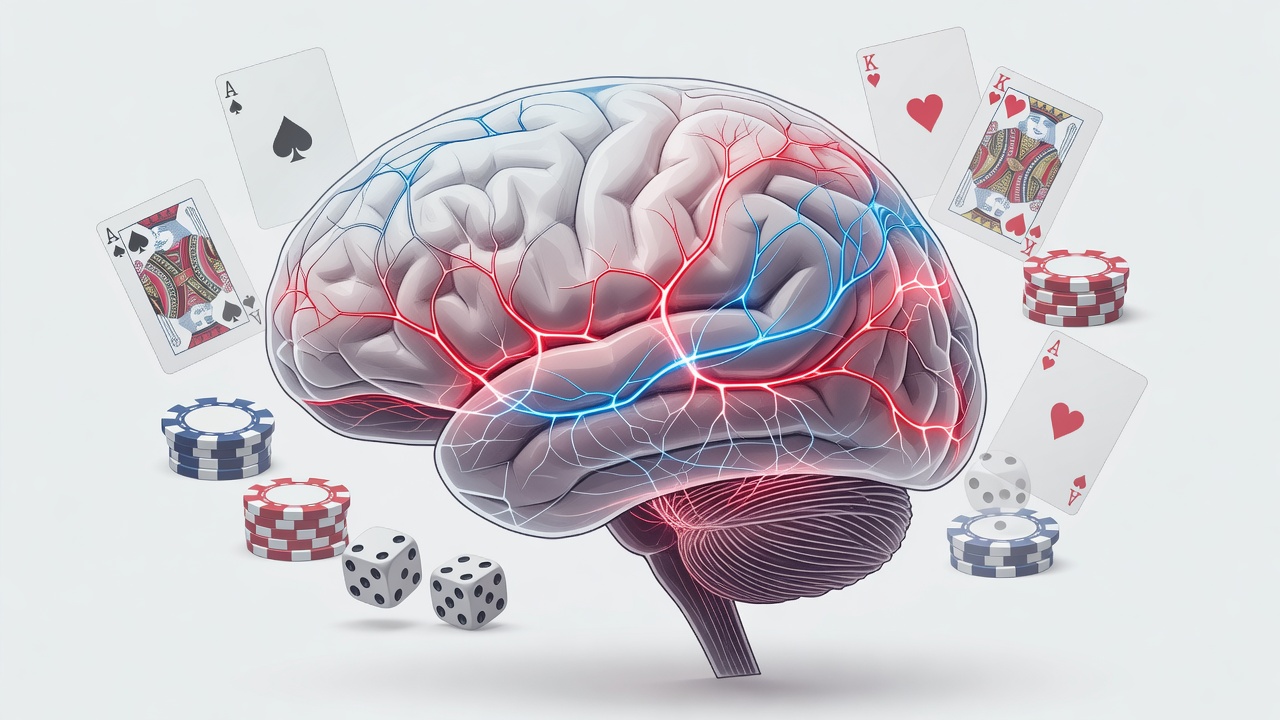
Fact: Addiction stems from complex interactions between brain chemistry, environmental triggers, genetic predispositions, and social influences rather than simple personal failings. Neuroimaging studies reveal that dopamine pathways in the brain respond similarly to those observed in substance use disorders, creating powerful reinforcement loops that override rational decision-making. In 2026, researchers highlight how stress from work or relationships can amplify these neurological responses, making anyone susceptible regardless of perceived mental strength. Real-world examples include high-achieving professionals who develop dependencies after using gambling as a temporary escape, only to find the habit escalating beyond control.
Myth 2: You Can Spot an Addict by Their Frequent Losses
Fact: Many individuals with gambling disorder experience initial winning streaks that mask the progression of the condition until significant financial or emotional strain emerges. Behavioral indicators such as chasing losses, hiding betting activity, or experiencing irritability when unable to gamble matter far more than win-loss records alone. Psychological research shows that intermittent reinforcement from occasional wins strengthens the addiction cycle, leading players to rationalize continued participation. For instance, a player might win several sports bets early on and dismiss warnings, only to spiral when losses accumulate and they refuse to stop.
Myth 3: Online Gambling Is Safer Than In-Person Venues
Fact: Digital platforms can actually accelerate addiction through constant accessibility, rapid play cycles, and sophisticated algorithms designed to maximize engagement. The same psychological triggers exist regardless of format, but they become amplified by 24/7 availability and targeted notifications in 2026. Players no longer need to travel to a casino, removing natural barriers that once encouraged breaks. Evidence from behavioral studies demonstrates higher rates of impulsive betting when using mobile apps compared to traditional settings, where social cues and time constraints provide some moderation.
Myth 4: Responsible Gambling Tools Eliminate All Risks
Fact: Features such as deposit limits, time-outs, and self-exclusion provide helpful boundaries but do not address underlying compulsions or co-occurring mental health issues. These tools work best when combined with professional support, ongoing self-monitoring, and lifestyle adjustments. In practice, many users set limits only after problems have already begun, reducing their preventive effectiveness. A balanced approach in 2026 involves integrating these digital safeguards with regular consultations from counselors trained in behavioral addictions.
Myth 5: Young Adults Are Immune Due to Digital Savvy
Fact: Emerging adults face heightened vulnerability because of developing prefrontal cortices responsible for impulse control and heightened exposure to personalized marketing on social media and apps. Recent data from health organizations indicate rising rates of gambling-related issues in this demographic, driven by gamified interfaces and peer influences. Examples include college students who start with low-stakes fantasy sports and progress to high-risk casino games without recognizing the shift.
Psychological Impacts of Misunderstood Addiction
Unchecked misconceptions often lead to delayed recognition of symptoms such as chronic anxiety, depression, social withdrawal, and sleep disturbances. These effects compound over time, affecting relationships, work performance, and overall quality of life. In 2026, integrated mental health approaches increasingly combine cognitive behavioral therapy with AI-powered digital monitoring apps that detect early behavioral changes. Understanding the psychological mechanisms helps individuals intervene before addiction fully develops, fostering resilience through mindfulness practices and stress management techniques.
Financial Impacts and Real-World Examples
Myth-driven behaviors frequently result in mounting debt, asset depletion, and strained family relationships. One common pattern involves players ignoring early warning signs by believing they can quit anytime, leading to escalated betting and eventual crisis. Another example is the misconception that a big win will solve all problems, prompting larger wagers that wipe out savings. In contrast, responsible alternatives include setting strict session timers, reviewing monthly activity reports from gambling platforms, and maintaining separate bank accounts for entertainment funds only. These habits foster long-term control and prevent escalation, allowing individuals to enjoy gambling as a leisure activity without financial ruin.
Practical Steps for Building Proactive Habits in 2026
To translate insights into action, consider the following structured approach:
- Track all betting activity in a dedicated journal or app for at least 30 days to identify patterns.
- Establish non-negotiable limits on time and money before each session.
- Schedule regular breaks and engage in alternative hobbies to reduce reliance on gambling for excitement.
- Consult resources from authoritative bodies for personalized guidance.
These steps, when followed consistently, create sustainable boundaries that adapt to evolving technologies and personal circumstances.
Forward-Looking Perspectives and Support Resources
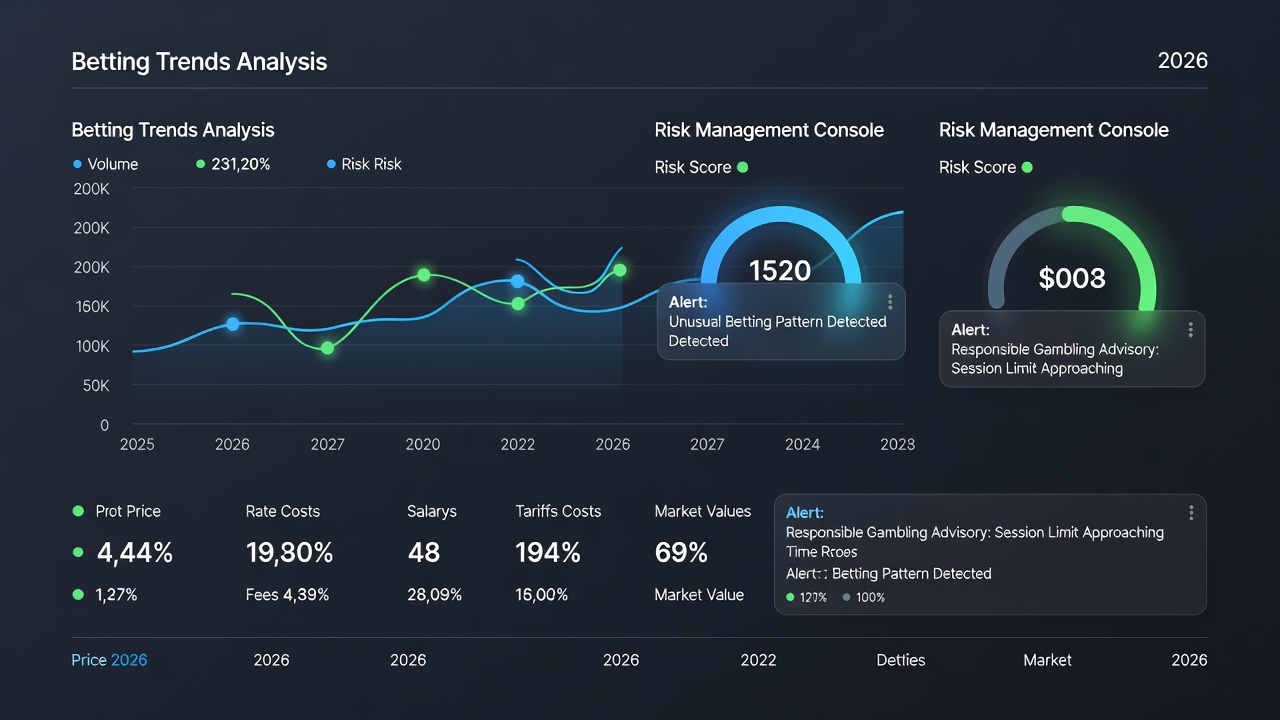
Advances in AI-driven player analytics now allow platforms to flag potential issues sooner through behavioral pattern recognition. Readers can build resilience by tracking personal triggers, consulting World Health Organization resources on behavioral addictions, and exploring evidence-based programs from SAMHSA. Joining moderated community support networks provides accountability and shared experiences that reinforce positive change. Regular self-assessments combined with professional guidance form the foundation of sustainable practices moving forward.
Short FAQ on Recognizing Addiction Signs
- How do I know if gambling is becoming a problem? Persistent thoughts about betting, neglecting work or family responsibilities, borrowing money to gamble, and experiencing mood swings tied to wins or losses are key signals.
- Can someone recover fully from gambling addiction? Many individuals achieve lasting recovery through therapy, support groups, medication when appropriate, and lifestyle changes tailored to 2026 tools such as app-based accountability features.
- Where can I find immediate help? Contact local helplines, visit established organizations for confidential assessments, or reach out to licensed counselors specializing in behavioral addictions.
- Are there differences in addiction risk across game types? Yes, games with rapid outcomes like slots often carry higher risk than slower-paced activities due to increased reinforcement frequency.
Conclusion
By replacing myths with facts, individuals gain the clarity needed to navigate gambling safely in 2026. Embracing evidence-based strategies protects mental health and finances while encouraging enjoyment within healthy limits, ultimately promoting a culture of informed and responsible participation.

No comments yet. Be the first!