 GambleLore

Introduction
Economic uncertainty continues to create significant financial pressures for many households in 2026. This comprehensive guide examines how stress influences gambling behaviors and delivers detailed, actionable steps to maintain safe betting practices. By focusing on responsibility, individuals can participate in betting activities without jeopardizing their financial stability or mental health. The content covers risk identification, budget creation, limit setting, coping strategies, tool usage, real-life examples, common pitfalls, and professional support options to ensure readers gain complete, practical knowledge.
How Economic Stress Amplifies Gambling Addiction Triggers
Financial strain frequently intensifies emotional responses, prompting some to see gambling as an immediate escape or potential solution to money worries. Prolonged uncertainty can lead to heightened anxiety, which in turn makes impulsive decisions more likely. Studies from the World Health Organization demonstrate connections between chronic stress and increased vulnerability to addictive patterns. In the current economic climate of 2026, rising living costs and job insecurity push more people toward betting as a form of relief. Over time, what begins as occasional entertainment can evolve into a compulsive cycle where losses compound stress rather than alleviate it. Recognizing this progression early is crucial for interrupting harmful patterns before they become entrenched.
Recognizing Your Personal Risk Factors
Personal vulnerability to gambling issues varies widely depending on individual history and current circumstances. Important warning signs include a past pattern of gambling problems, existing high debt, using bets to cope with anxiety or boredom, or experiencing frequent mood swings tied to wins and losses. Additional factors involve social isolation, lack of alternative stress-relief activities, or family history of addiction. To assess your own situation, maintain a simple journal noting emotional states before and after betting sessions. This self-monitoring reveals patterns that might otherwise go unnoticed. Early detection enables prompt action such as consulting counselors or joining peer support groups, preventing escalation during periods of economic difficulty.
Creating a Personal Budget That Prioritizes Safe Betting
Begin the budgeting process by compiling a complete list of monthly income sources alongside all fixed and variable expenses. Categorize spending into necessities like housing, food, utilities, and transportation, then identify any remaining discretionary funds. Designate a strictly limited portion for entertainment that may include betting, ensuring this allocation never surpasses a small percentage of overall disposable income. Review the budget at the end of each month and adjust categories based on actual spending data or income changes. Incorporate buffers for unexpected costs to avoid dipping into betting funds. This disciplined framework protects core financial obligations while allowing limited, controlled participation in betting activities.
Setting Strict Deposit Limits with Examples
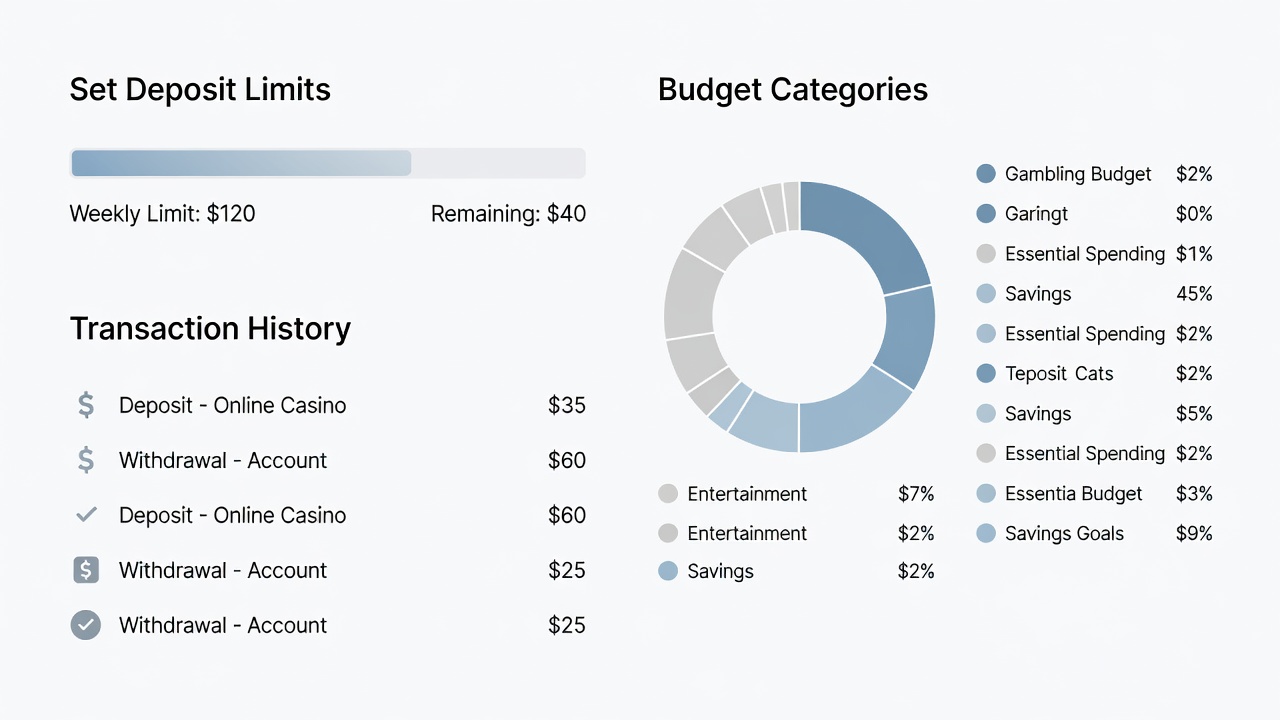
Reputable betting platforms provide built-in options for establishing deposit caps that help enforce personal boundaries. One practical example involves setting a weekly maximum of $40 when discretionary income is modest, paired with automatic alerts when 80 percent of the limit is reached. Another scenario features a monthly cap of $120 for individuals with slightly higher available funds, combined with a mandatory 48-hour cooling-off period if the limit is approached. Users can also activate self-exclusion features for 30 or 90 days during particularly stressful financial periods. These concrete limits reduce the likelihood of impulsive increases and promote consistent adherence to predetermined spending rules.
Comparing Healthy Versus Risky Coping Mechanisms
Effective stress management avoids financial risk entirely. Healthy approaches include regular physical exercise such as walking or yoga, practicing guided meditation through free apps, maintaining social connections with friends or family, and pursuing hobbies like reading or gardening. In contrast, risky mechanisms involve attempting to recover losses with larger bets, borrowing money from friends or credit sources to continue playing, or hiding gambling activity from loved ones. The latter options typically deepen debt and emotional distress. Selecting positive alternatives strengthens long-term resilience and prevents gambling from becoming a default response to economic pressure.
Incorporating Spending Trackers and Tools
Digital budgeting applications enable real-time transaction monitoring and customizable alerts. Key features to utilize include category tagging for entertainment expenses, weekly summary reports, and goal-setting modules that display progress toward monthly limits. Many platforms integrate directly with banking data for automatic updates. Combining these external trackers with site-specific responsible gambling tools creates a layered defense system. Regular review of reports helps identify spending trends early, allowing adjustments before problems develop.
Real-World Scenarios of Successful Navigation
Alex, a freelance graphic designer facing reduced client work in early 2026, established a detailed monthly budget allocating exactly $35 for betting. By using platform deposit limits and weekly spending reviews, Alex maintained control and treated betting strictly as occasional entertainment. Jordan, employed in retail amid fluctuating hours, replaced evening betting urges with community walking groups and free mindfulness podcasts, successfully keeping monthly betting under $60 without chasing losses. Taylor, a recent graduate managing student debt, created a color-coded spreadsheet tracking all expenses and set a $25 weekly cap, reviewing it every Sunday evening. Each individual demonstrates that combining clear financial boundaries with alternative stress relief leads to sustainable, safe betting habits despite ongoing economic challenges.
Mistakes to Avoid When Betting Under Economic Stress
Common errors include increasing bet sizes after losses in hopes of quick recovery, neglecting to review account statements regularly, and failing to communicate limits with a trusted friend or partner. Another frequent issue involves using credit cards or payday advances for betting funds. Avoiding these mistakes requires consistent adherence to pre-set rules and periodic self-assessment of emotional triggers.
When to Seek Professional Help
If gambling begins to interfere with daily responsibilities, sleep, or relationships, immediate professional support is advisable. Resources such as licensed counselors specializing in behavioral addictions or national helplines can provide tailored guidance. Early intervention often prevents more severe financial and emotional consequences during times of economic uncertainty.
FAQ
How do I handle losses without chasing them?
Accept losses as an inherent part of any betting activity and immediately close the app or leave the venue. Return to your pre-established budget to reaffirm limits instead of attempting recovery through additional wagers.
What if economic stress makes me want to gamble more?
Treat the increased urge as a cue to activate alternative coping strategies first. Explore stress-reduction techniques recommended by the Centers for Disease Control and Prevention before considering any betting activity.
Are there tools to help set limits automatically?
Yes, most licensed operators include automated deposit caps, session time reminders, and reality-check pop-ups that encourage periodic breaks from play.
Should I tell family members about my betting limits?
Sharing limits with a trusted person can provide valuable accountability and early warning if spending patterns begin to change unexpectedly.
How often should I review my gambling budget?
Conduct a full review at least once per month or immediately following any significant income or expense changes to keep allocations realistic and protective.
Conclusion
Maintaining responsible gambling during economic stress demands ongoing awareness, structured planning, and disciplined use of available tools. Implementing the strategies outlined above helps safeguard both financial resources and overall well-being throughout 2026 and into the future.


No comments yet. Be the first!