 GambleLore

Introduction to Global Responsible Gambling Efforts in 2026
As online betting continues to grow worldwide, responsible gambling campaigns have become essential tools for protecting players. In 2026, initiatives across Europe and Asia stand out for their innovative approaches and documented results in lowering addiction rates. This article examines these campaigns in detail, compares digital and traditional methods, and provides actionable advice for local implementation. Readers seeking safe betting strategies will find real-world examples and measurable outcomes that demonstrate what works. By learning from successful programs, individuals and organizations can reduce gambling-related harms effectively. The year 2026 marks a turning point with increased regulatory focus on player protection amid rising digital access to betting platforms.
Gambling addiction affects millions globally, leading to financial distress, mental health issues, and strained relationships. International campaigns address these challenges through education, technology, and policy changes. This comprehensive overview draws from recent developments to offer insights that go beyond surface-level summaries.
European Responsible Gambling Campaigns: Key Examples and Deeper Analysis
Europe has led many regulatory efforts, with countries like the United Kingdom and the Netherlands implementing comprehensive awareness drives. The UK’s BetRegret campaign, expanded in 2026, uses targeted messaging to encourage self-assessment tools and time limits. Similarly, the Netherlands’ Kansspelautoriteit programs focus on operator accountability and player education through mandatory risk checks. Additional efforts in Sweden and Germany emphasize age verification and spending caps integrated into licensed platforms.
These efforts emphasize transparency and early intervention. For instance, mandatory deposit limits and reality checks have helped users maintain control during sessions. Operators must display clear warnings about potential risks, and many now include personalized feedback based on user behavior patterns. European models often involve collaboration between governments, health organizations, and industry stakeholders to ensure consistent messaging across borders.
Asian Initiatives: Cultural Adaptations for Safer Betting
In Asia, Singapore’s National Council on Problem Gambling has rolled out multilingual campaigns tailored to local communities, incorporating family involvement and workplace workshops. Japan’s 2026 updates to its gambling regulations introduced public service announcements highlighting long-term financial impacts. South Korea has also advanced programs through its National Gaming Control Commission, focusing on youth education and app-based monitoring tools that alert users when usage exceeds healthy thresholds.
These programs account for cultural nuances, such as social stigma around addiction, making them more effective in high-density urban areas where betting apps are prevalent. Community leaders play a key role in delivery, ensuring messages resonate with diverse populations. Integration with existing public health frameworks allows for seamless support services, including counseling hotlines available in multiple languages.
Measurable Outcomes and Reduced Addiction Rates
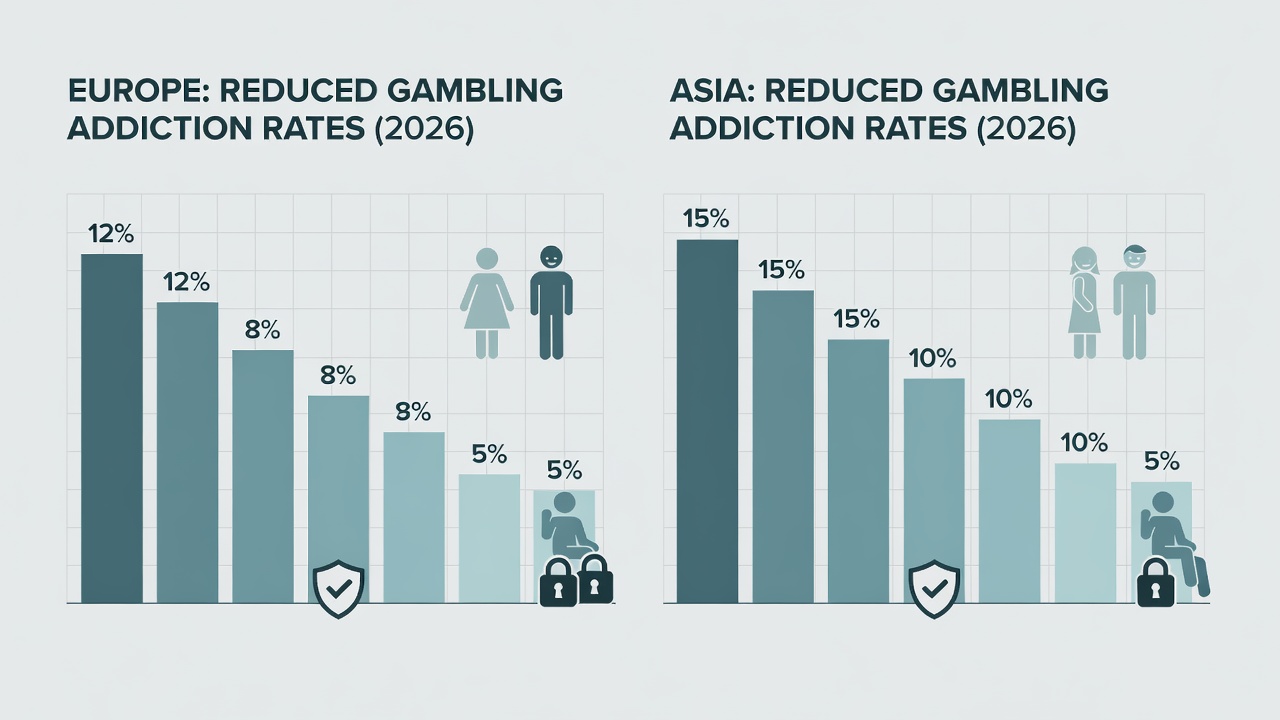
Data from 2026 shows promising results. European programs reported up to 15% declines in helpline calls related to severe addiction in monitored regions. Asian campaigns achieved similar gains through community reporting, with Singapore noting a measurable drop in youth gambling participation. Broader studies indicate that regions with sustained campaigns see improved awareness levels, with surveys showing over 40% of participants reporting better understanding of risk factors after exposure to materials.
Key metrics include increased use of self-exclusion tools and higher awareness scores in post-campaign surveys. These outcomes highlight the value of sustained, multi-channel efforts over one-off advertisements. Long-term tracking reveals sustained behavioral changes, such as reduced session lengths and higher adoption of budgeting features. Success often correlates with consistent funding and cross-sector partnerships that amplify reach.
Digital vs Traditional Approaches: A Direct Comparison
Digital methods, such as app-based reminders and AI-driven risk alerts, offer real-time support and scalability. Traditional approaches like billboards and community events build broader societal awareness and trust. Digital tools can track individual patterns anonymously while providing immediate interventions, whereas traditional media excels at reaching older demographics and fostering public dialogue.
Combining both yields the best results. Digital tools excel in personalization, while traditional outreach reaches demographics less active online. Operators should evaluate their audience to balance the two effectively. For example, a hybrid model might use social media ads paired with local workshops to maximize engagement and retention of key safety messages.
Practical Steps to Adapt These Campaigns Locally
To implement similar strategies in your area, follow these steps:
- Assess local regulations and partner with health authorities for credibility, starting with a review of existing gambling laws and identifying gaps in player protections.
- Develop culturally relevant messaging tested through focus groups that include diverse age groups, socioeconomic backgrounds, and betting preferences to ensure resonance.
- Integrate digital tools like budget trackers while maintaining in-person support options such as community centers or helplines staffed by trained counselors.
- Track progress using clear metrics such as helpline usage, self-exclusion numbers, and pre- and post-campaign knowledge surveys conducted quarterly.
- Collaborate with international bodies for best practices and resources, including sharing data on effective interventions across borders.
- Secure funding through public-private partnerships and allocate budgets for ongoing evaluation to refine approaches based on emerging trends.
Start small with pilot programs before scaling, ensuring ongoing evaluation and adjustments based on feedback. Involve stakeholders from the outset, including recovered gamblers, to incorporate lived experiences into program design.
Case Examples of Successful Implementation
One notable case involves a European operator that adopted elements from the UK campaign, resulting in higher player retention through responsible features and a 12% reduction in complaints. In Asia, a Singapore-based initiative reduced problem gambling reports by integrating school education modules, leading to lower incidence among young adults. Another example from Japan demonstrates how workplace programs combined with digital alerts helped employees manage betting habits more effectively, with follow-up studies showing sustained improvements six months later.
These examples illustrate how adapting proven tactics can lead to tangible improvements in player safety. Lessons include the importance of localization and continuous monitoring to maintain momentum.
Common Mistakes to Avoid When Implementing Campaigns
Many organizations fail by overlooking cultural context or relying solely on one medium. Avoid generic messaging that does not address specific local risks, and ensure tools are user-friendly rather than overly complex. Another pitfall is neglecting evaluation, which can waste resources on ineffective tactics. Always prioritize evidence-based methods and seek expert input early.
Frequently Asked Questions
How effective are these campaigns in reducing addiction?
Studies from 2026 indicate significant reductions when campaigns combine education with accessible tools, often achieving double-digit drops in high-risk behaviors. Long-term data supports continued investment in multi-pronged strategies.
What role does technology play in modern responsible gambling?
Technology enables personalized interventions, but success depends on user adoption and regulatory support. AI and mobile apps provide scalable solutions that complement human-led support networks.
Can small organizations run similar campaigns?
Yes, by focusing on partnerships and digital channels, smaller groups can achieve impact without large budgets. Starting with targeted local events often builds necessary momentum.
Where can I find more resources?
Visit authoritative sources such as the World Health Organization for global health perspectives on addiction and related guidelines, or explore the UK government gambling resources for regulatory examples.
How long does it take to see results from new campaigns?
Initial awareness gains appear within months, but measurable behavioral changes typically require 12 to 18 months of consistent effort and evaluation.
Conclusion
Global responsible gambling campaigns in 2026 offer valuable lessons for creating safer betting environments. By studying European and Asian successes, measuring outcomes, and adapting practical steps, communities worldwide can reduce risks and promote healthier habits. Implementing these strategies thoughtfully ensures long-term benefits for players and operators alike, fostering a more responsible betting culture everywhere.


No comments yet. Be the first!