 GambleLore

Introduction to Gambling Risks in 2026
In the fast-evolving world of online betting and casino gaming, 2026 brings unprecedented accessibility. With mobile apps, VR casinos, and AI-driven odds, participation has surged. However, this boom amplifies risks. According to projected data from industry reports, global gambling revenue is expected to hit $700 billion, but problem gambling rates could affect 5-10% of bettors. Financial losses, addiction, and mental health crises are at the forefront.
This article decodes these risks using 2026 trends and provides a comprehensive safe betting blueprint. Whether you're a casual sports bettor or slots enthusiast, learn to gamble responsibly. We'll cover major pitfalls, data-backed insights, step-by-step strategies, and long-term tools to protect your well-being.
Major Gambling Risks: Financial Loss and Beyond
Gambling risks extend far beyond entertainment. Here's a breakdown of the primary threats in 2026.
Financial Loss: The Silent Devastator
Financial ruin tops the list. In 2026, micro-betting on esports and live sports events encourages rapid, impulsive wagers. Projections from the American Gaming Association indicate average annual losses per problem gambler could exceed $15,000, up 20% from 2025 due to crypto betting's anonymity.
Common scenarios include chasing losses—placing bigger bets to recover deficits—or hidden fees in crypto casinos eroding bankrolls. Without limits, a $50 bet can spiral into thousands overnight.
Addiction Triggers: Psychological Hooks
Addiction affects brain chemistry like drugs, releasing dopamine floods. 2026 trends show AI personalization heightens this: algorithms predict your 'hot streaks' and push notifications during vulnerable moments, like late nights.
Key triggers:
- Near-misses: Slot machines designed to show 'almost wins' keep players hooked.
- Variable rewards: Unpredictable payouts mimic social media dopamine hits.
- Social proof: Leaderboards and friend challenges foster FOMO (fear of missing out).
Early signs include betting more than intended, lying about habits, or neglecting responsibilities. Untreated, it leads to debt, relationship breakdowns, and suicide risks—studies link severe cases to 20x higher rates.
Other 2026-Specific Risks
Cybersecurity threats rise with blockchain betting; hacks drained $500 million in 2025. Mental health dips too—VR immersion blurs reality, exacerbating isolation. Demographics shift: Gen Z (18-25) now 40% of problem gamblers, per EU Gaming Authority forecasts.
2026 Gambling Trends: Data-Driven Warnings
Leveraging predictive analytics from sources like Statista and H2 Gambling Capital, 2026 sees:
- Mobile dominance: 75% of bets via apps, enabling 24/7 access and impulse plays.
- Crypto surge: 30% market share, but volatility amplifies losses (e.g., Bitcoin crashes wiping stakes).
- Esports and micro-bets: Bets under $1, but volume leads to $10k+ daily losses for addicts.
- AI pitfalls: 'Smart' bots suggest bets, but house edges persist (5-10%).
A National Council on Problem Gambling survey projects 1 in 5 young adults at risk, urging proactive measures.
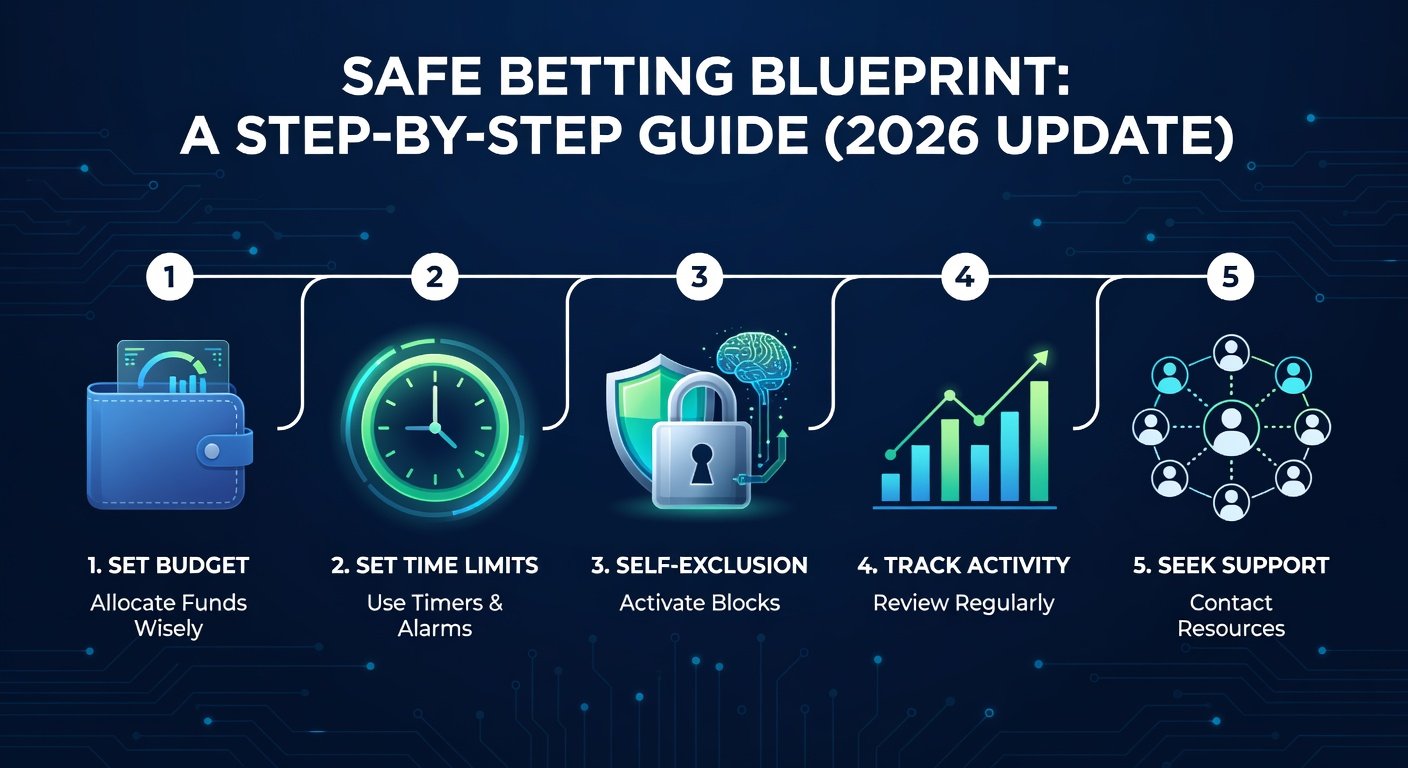
Safe Betting Blueprint: Step-by-Step Guide
Empower yourself with this proven blueprint. Implement it sequentially for lasting control.
Step 1: Assess Your Readiness
Before betting, self-evaluate. Use quizzes like the Problem Gambling Severity Index (PGSI). Score 8+? Pause and seek help. Set a 'why'—entertainment only, never income.
Step 2: Budget Ruthlessly
Determine disposable income: 1-2% of monthly take-home max. Example: $4,000 salary? $40-80 gambling budget. Use separate accounts; apps like Mint track spends.
- Daily limit: $20
- Weekly: $100
- Monthly: $300
Never chase losses—walk away at limits.
Step 3: Set Time and Tech Limits
Timebox sessions: 30-60 mins max. Use phone features (Screen Time on iOS, Digital Wellbeing on Android) to lock apps post-limit.
Enable site tools: Deposit caps, loss limits, reality checks (pop-ups after 1 hour).
Step 4: Leverage Self-Exclusion and Cooling-Off
Self-exclusion: Ban yourself from sites for 24 hours to 5 years. In the US, register via Gamblers Anonymous tools or state programs. UK bettors use GAMSTOP for cross-site blocks.
Cooling-off: Temporary pauses prevent rash decisions.
Step 5: Track and Review
Log every session: Wins/losses, triggers, emotions. Weekly reviews adjust habits. Apps like BetBlocker or Gamban block sites proactively.
Step 6: Build Support Networks
Share with trusted friends. Join forums or groups. If slipping, call helplines like 1-800-GAMBLER (US).
Tools and Resources for Long-Term Habits
Sustain safety with these:
- Apps: PlayScan (behavior analysis), BetGuardian (limits enforcement).
- Operators' Features: Mandatory in regulated markets—check UK Gambling Commission licensees.
- Therapy: CBT for addiction; free via NHS or apps like QuitGamble.
- FAQs:
Q: How do I recognize addiction? A: Lying, borrowing money, irritability without betting.
Q: Are crypto bets safer? A: No—volatility and lack of recourse heighten risks.
Q: What if I relapse? A: Reset blueprint; seek professional help immediately.
Common Mistakes to Avoid
- Ignoring limits during 'winning streaks'—house edge grinds profits.
- Betting under influence (alcohol boosts impulsivity 3x).
- Multi-Accounting to bypass exclusions.
- Neglecting mental health—pair betting with exercise/meditation.
Conclusion: Bet Smart, Live Free
Gambling in 2026 offers thrills, but risks demand vigilance. By decoding threats and following this blueprint—budgeting, limiting, excluding—you reclaim control. Responsible habits ensure fun without fallout. Start today: Set your first limit. Your future self will thank you.


No comments yet. Be the first!