 GambleLore

Introduction to Gambling Risks in Families
Gambling has become more accessible than ever in 2026, with online platforms, sports betting apps, and casinos just a tap away. While many enjoy it responsibly, for some, it spirals into addiction, affecting entire families. As a concerned relative, you might notice subtle changes but hesitate to act. This guide is your roadmap to identifying risks, intervening compassionately, and fostering healthier habits without immediate professional involvement.
We'll cover behavioral red flags, gentle conversation starters, household rules for safe betting, a practical 5-step family intervention plan, anonymized real-world examples, free support hotlines updated for 2026, and an FAQ on common challenges like denial and relapse. Knowledge is power—let's protect your loved ones together.
Subtle Behavioral Red Flags of Gambling Risks
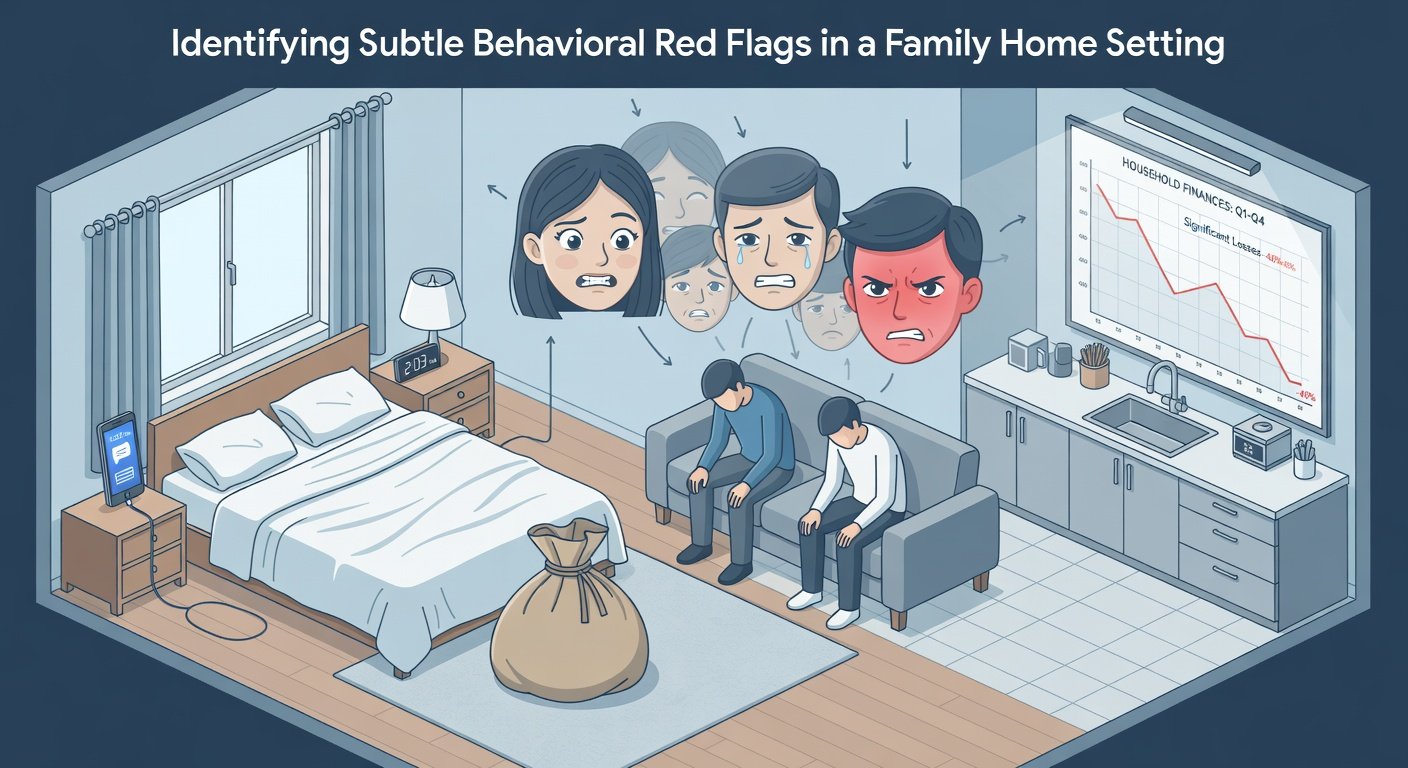
Gambling addiction doesn't always announce itself with dramatic losses. Often, it creeps in through everyday shifts. Spotting these early can prevent escalation.
- Financial secrecy: Hiding bills, using credit cards secretly, or frequent 'loans' from family. They might sell personal items or borrow from unusual sources.
- Time displacement: Missing family events, staying up late on devices, or disappearing for 'errands' that align with betting windows.
- Emotional volatility: Irritability when gambling topics arise, euphoria after wins followed by crashes, or defensiveness about money.
- Chasing losses: Increased betting frequency, especially after losses, or switching games/apps in hopes of recovery.
- Neglect of responsibilities: Unpaid utilities, skipped work/school, or deteriorating health from stress eating/sleep loss.
- Lying about whereabouts: Vague excuses for time spent online or at venues, with phone screens always locked.
These signs alone don't confirm addiction—context matters. Track patterns over weeks. If multiple align, it's time for concern.
Non-Confrontational Conversation Starters
Approaching a loved one requires empathy, not accusation. Frame talks around your worry for their well-being. Choose calm, private moments.
Example 1: Adult Child
You: "I've noticed you've seemed stressed lately about money. Is everything okay? I'm here if you want to talk."
This opens without blame, inviting sharing.
Example 2: Spouse
You: "I love spending time with you, but I've seen you on betting apps a lot. It worries me—can we chat about how it's affecting us?"
Focuses on shared impact.
Example 3: Teen/Young Adult
You: "Hey, I read about how easy it is to get hooked on sports betting apps these days. Have you tried any? No judgment, just curious."
Normalizes discussion for younger ones.
Listen actively: Nod, paraphrase ("It sounds like it's fun but frustrating sometimes"), avoid "you always/never." If they open up, suggest self-limits together.
Creating Household Safe Betting Rules
Proactive rules normalize responsibility, reducing risks. Involve everyone in family meetings for buy-in.
- Set betting budgets: Agree on weekly/monthly limits per person, tracked via a shared app or envelope system. No exceptions.
- Time restrictions: No betting during family meals, work/school hours, or bedtime (e.g., apps off by 10 PM).
- Device transparency: Optional shared passwords or screen-time reports for accountability.
- Win/loss logging: Journal sessions to review patterns monthly—celebrate restraint over wins.
- No-bailout policy: Family won't cover losses; instead, redirect to savings goals.
- Fun alternatives: Replace betting nights with game nights, hikes, or hobby budgets.
Post rules visibly. Review quarterly. This builds habits without stigma.
5-Step Family Intervention Plan
When signs persist, a structured family intervention empowers change. Keep it supportive, not ambush-style.
- Gather evidence privately: Note specific behaviors/dates over 2-4 weeks. Consult a trusted advisor anonymously first.
- Assemble allies: 3-5 close family/friends who care. Brief them on facts, assign speaking roles (e.g., one on emotional impact, one on finances).
- Plan the meeting: Neutral spot, sober time. Prepare 'I' statements: "I feel scared when..." List consequences and support offers.
- Hold the intervention: Express love first, share impacts calmly, present options (e.g., self-exclusion, counseling). End with clear next steps.
- Follow up: Weekly check-ins, celebrate progress. If refusal, set boundaries like separate finances.
Anonymized Real-World Example: Sarah noticed her husband Mike's secrecy. Step 1: Logged his late-night app use. Allies: Sister and best friend. During talk: "Mike, we love you. Your stress is affecting us." Mike admitted chasing losses, agreed to app blocks and counseling. Six months later, stable.
Free 2026 Support Hotlines and Resources
Immediate, confidential help is available 24/7. No cost, no commitment.
- National Council on Problem Gambling Helpline: 1-800-GAMBLER (1-800-426-2537). Chat/text options at ncpgambling.org.
- Gamblers Anonymous: Meetings worldwide; find local at gamblersanonymous.org.
- SAMHSA National Helpline: 1-800-662-HELP for co-occurring issues like samhsa.gov.
These are updated for 2026 accessibility. Encourage self-calls first.
FAQ: Handling Denial and Relapse
Q: What if they deny the problem?
A: Stay calm, use facts: "Last month, three paychecks went to bets." Revisit later; denial is common in early stages.
Q: How to manage relapse?
A: View as learning, not failure. Tighten rules, boost alternatives. Track triggers (e.g., sports seasons). Re-engage hotlines.
Q: Is it addiction or just bad luck?
A: Addiction involves compulsion despite harm. Use the NCPG screening tool for clarity.
Q: When to seek professionals?
A: If risks like debt/suicide ideation arise, or intervention fails. Therapists specialize via above resources.
Conclusion: Building a Resilient Family
Addressing gambling risks strengthens bonds. Early action via awareness, talks, rules, and plans prevents crises. You're not alone—millions navigate this successfully. Start small today: Observe, converse, support. For lasting change, combine family efforts with resources. Your vigilance can restore harmony in 2026 and beyond.


No comments yet. Be the first!