 GambleLore

Introduction to Value Betting in Texas Hold'em
Value betting is one of the most profitable skills in poker, especially for intermediate players aiming to excel in online tournaments. In 2026, with faster online platforms and evolving player pools, mastering value betting can significantly boost your profits. This guide covers fundamentals like thin versus thick value, optimal bet sizing based on board textures and villain ranges, plus advanced concepts such as polarized lines and overbetting spots.
Understanding value betting means extracting maximum chips from weaker hands while protecting your own range. Unlike bluffing, value bets are made when you believe you have the best hand.
Thin Value vs Thick Value: Key Differences
Thick value involves betting strong hands like sets or two-pair on favorable boards where opponents are likely to call with worse holdings. Thin value, however, requires betting marginal hands like top pair on coordinated boards to get called by weaker pairs or draws.
The distinction matters because thin value bets demand precise range reading. In 2026 online events, thin value spots often arise in late stages when stacks are shallow.
Optimal Bet Sizing Based on Board Textures
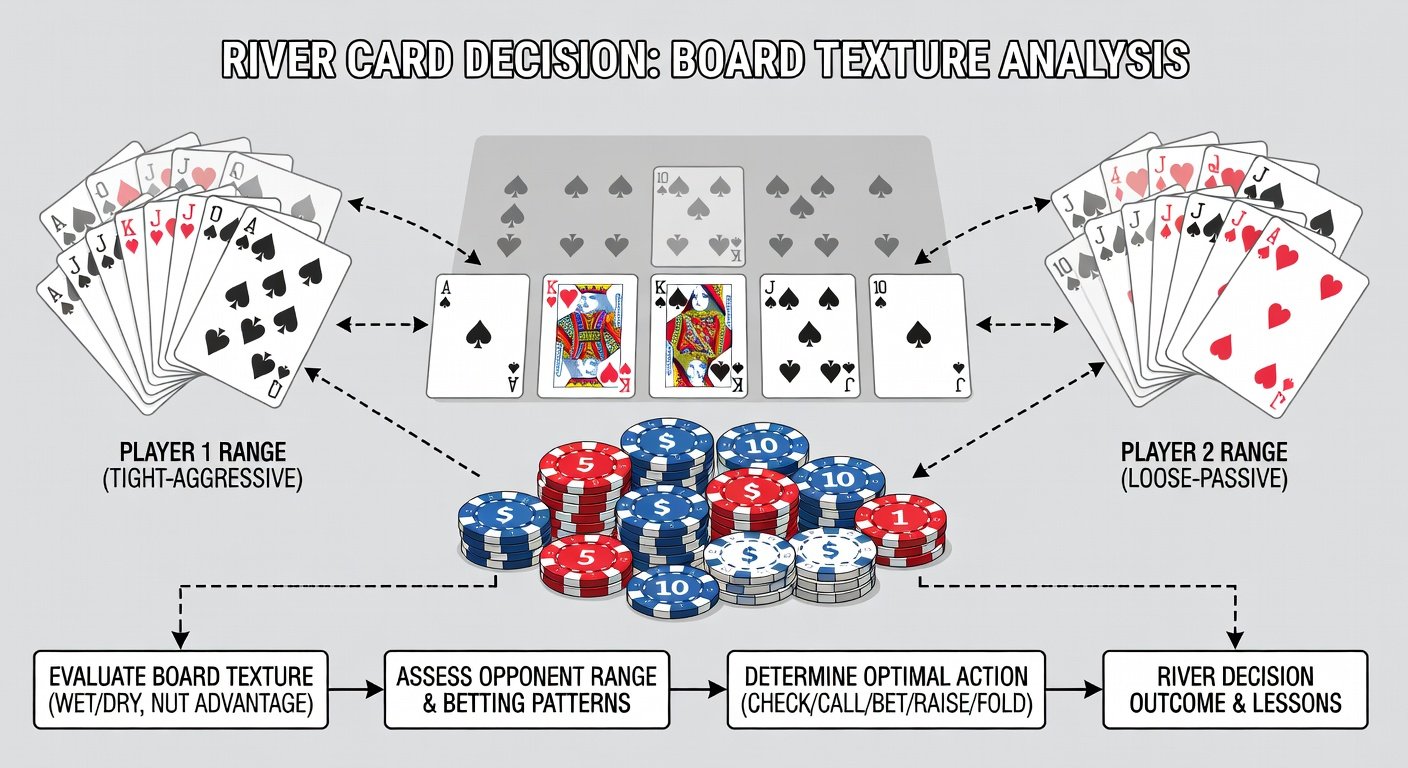
Board texture dictates sizing. On dry boards (e.g., K72 rainbow), smaller bets (25-40% pot) work for thin value against loose callers. Wet boards (e.g., 9T8 with flush draws) call for larger sizes (60-80% pot) to charge draws appropriately.
Factor in villain ranges: tight players fold more to large bets, while loose players chase. Adjust sizing dynamically.
Polarized Lines and Overbetting Spots
Polarized betting lines mix strong value hands with bluffs, making your range hard to play against. Overbetting (betting more than pot) shines on river cards that improve your range disproportionately, such as completing straights only you can have.
Examples from recent 2026 online tournaments show pros overbetting nut flushes on paired boards to extract max value from two-pair.
Balancing Value Bets with Bluffs
Balance prevents exploitation. For every value bet, include bluffs at a frequency that matches your range. Use equity calculations: if your hand has 70% equity, balance bluffs accordingly.
Step-by-Step Process for Identifying Value Bet Opportunities
- Assess your hand strength relative to the board.
- Estimate villain's range using preflop action and tendencies.
- Calculate pot odds and equity using tools like equity calculators.
- Choose sizing to maximize EV.
- Observe opponent reactions for future adjustments.
Common Pitfalls to Avoid
- Overvaluing top pair on wet boards.
- Ignoring stack-to-pot ratios in tournaments.
- Failing to balance ranges, leading to predictable play.
Exploitative vs GTO Approaches
Game Theory Optimal (GTO) play creates unexploitable strategies, ideal against strong fields. Exploitative play deviates to target specific weaknesses, such as over-folding opponents. In 2026, hybrid approaches often yield the best results.
Learn more from authoritative sources like PokerNews and Card Player.
FAQ: Sizing Against Different Player Types
Q: How to size against tight players? Use smaller bets to induce calls from their premium ranges.
Q: What about loose-aggressive opponents? Increase sizing to deny equity and build pots with value.
Master these concepts to elevate your Texas Hold'em game in 2026 tournaments.


No comments yet. Be the first!