 GambleLore

Understanding Gambling Risks in 2026: Online Versus Offline
Gambling continues to evolve rapidly, with both online platforms and traditional venues presenting unique challenges for players seeking entertainment without harm. This guide examines the distinct risks associated with each format, providing actionable strategies for safe betting that emphasize personal control and awareness. Bettors in 2026 face heightened accessibility through mobile apps and 24/7 availability, making informed decision-making essential. The landscape includes advanced technologies that personalize experiences, potentially amplifying both enjoyment and exposure to negative outcomes. Readers will find detailed comparisons, real-world scenarios, and a comprehensive checklist designed to support long-term responsible habits.
Key Differences in Accessibility and Convenience
Online gambling offers instant access from any location with an internet connection, removing barriers like travel time or operating hours that exist in physical casinos. This constant availability can escalate play sessions quickly, as users can switch between devices seamlessly and resume sessions without interruption. Mobile notifications and one-tap logins further reduce friction, allowing play during brief moments of downtime that might otherwise pass unremarked. In contrast, offline venues require physical presence, which naturally imposes time and effort limits through commuting, parking, and venue capacity. However, the social atmosphere in land-based locations may encourage longer stays through peer influence, ambient entertainment, and environmental cues such as themed events or promotions. These differences mean online formats often lead to more frequent but shorter sessions, while offline play tends toward concentrated, extended visits that can still accumulate substantial time and financial exposure over repeated trips.
Studies from major health organizations highlight how digital convenience amplifies exposure for vulnerable individuals. For instance, World Health Organization resources note the global rise in behavioral addictions tied to technology and continuous connectivity.
Addiction Triggers: Comparing Online and Offline Environments
Online platforms often use personalized algorithms, notifications, and loyalty rewards that create immediate feedback loops, heightening the risk of impulsive decisions. Features like autoplay functions, live dealer streams, and progressive jackpots can prolong engagement without natural breaks, while variable reward schedules mimic slot machine mechanics that keep users returning. Offline settings trigger risks through sensory elements such as lights, sounds, and social interactions that reinforce continued play, often combined with complimentary services like drinks or meals that lower inhibitions. Real-world examples include players reporting rapid escalation during extended casino visits due to free incentives, versus online users losing track during late-night sessions at home where isolation removes external checks. Another common pattern involves online users chasing losses across multiple sites in a single evening, a behavior less feasible in physical settings with closing times.
Psychological Impacts and Player Behavior
The anonymity of online gambling can reduce self-awareness and increase risk-taking, as players feel detached from real-world consequences and social judgment. Offline environments foster accountability through visible surroundings and interactions but may introduce pressure from others or a desire to appear successful in group settings. Both formats affect dopamine responses differently, with online speed potentially accelerating habit formation through rapid cycles of wins and losses. Understanding these impacts helps bettors recognize early warning signs like chasing losses, neglecting responsibilities, or experiencing mood swings tied to gambling outcomes. Research consistently shows that individuals with pre-existing stress or anxiety may find either environment reinforcing avoidance behaviors rather than providing healthy recreation.
Regulatory Protections: A Side-by-Side Comparison
Online gambling in regulated markets often includes mandatory age verification, deposit limits, and self-exclusion tools enforced by licensing bodies, though enforcement quality varies by jurisdiction. Offline venues comply with local laws that may limit operating hours or require responsible gaming signage and staff training. Players should verify jurisdiction-specific rules, as protections vary widely by region and can change with new legislation. Authoritative references such as National Center for Biotechnology Information provide research-backed insights into effective regulations and their measurable impact on player safety.
Emerging Trends Shaping Risks in 2026
Advancements in artificial intelligence and virtual reality are creating new risk vectors. AI-driven personalization can predict and extend play sessions by adapting offers in real time, while VR environments blur the line between gaming and gambling, potentially increasing immersion and time distortion. Cryptocurrency integration adds another layer of reduced friction for deposits and withdrawals. Bettors should monitor these developments and apply the same limit-setting principles to new formats as they would to established ones.
Practical Safe Betting Techniques for Both Formats
Implementing time limits remains one of the most effective methods. Set strict session durations using device timers or venue clocks before starting, and commit to walking away regardless of outcome. Deposit caps help control spending by predefining weekly or monthly budgets based on disposable income only. Additional tactics include avoiding credit use entirely, taking mandatory five-minute breaks every thirty minutes, and tracking all activity in a personal log that includes date, amount, and emotional state. Combining these with mindfulness practices reduces emotional decision-making. Bettors report success when treating gambling strictly as entertainment rather than income generation. For online users, enabling reality-check pop-ups and using separate accounts for gambling funds adds extra safeguards. Offline players benefit from pre-committing to transportation schedules that enforce departure times.
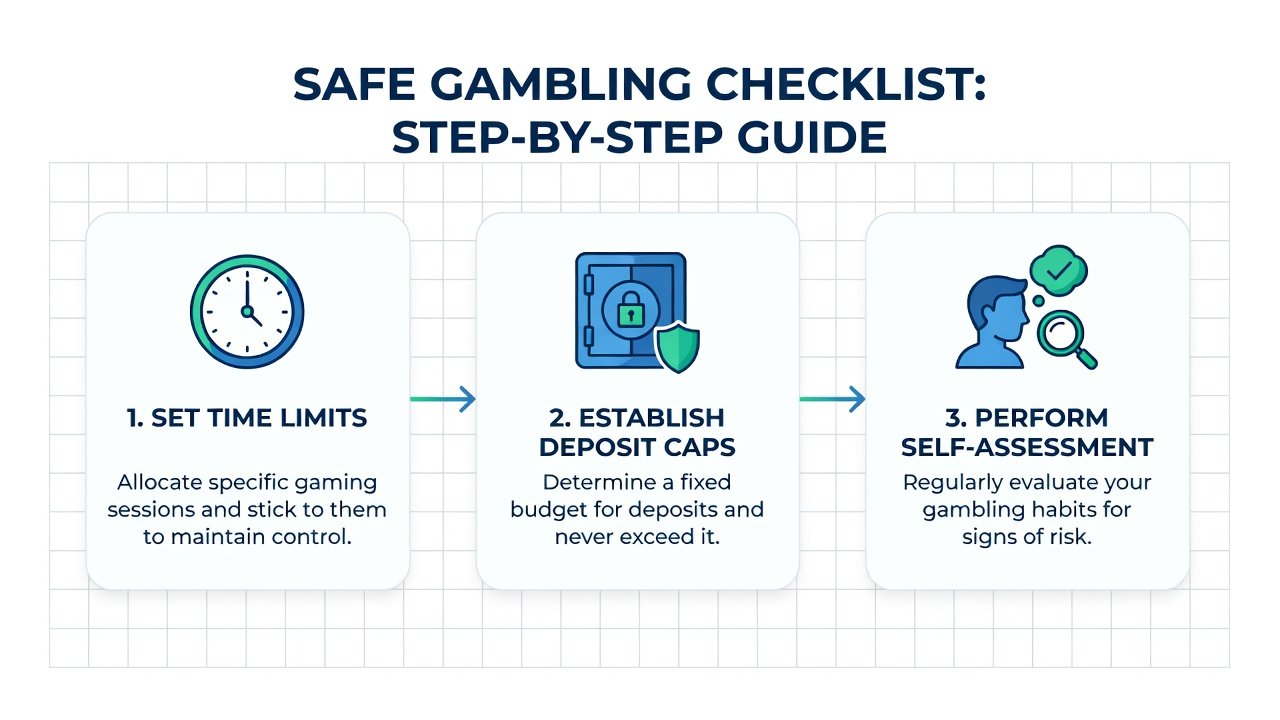
Step-by-Step Risk Assessment Checklist
Use this checklist at regular intervals to maintain awareness and adjust behaviors proactively.
- Evaluate your current financial situation and set a firm budget unrelated to essentials such as rent, bills, or savings goals.
- Identify personal triggers such as stress, boredom, or social situations that prompt gambling urges and prepare alternative coping strategies.
- Review platform or venue policies on limits and exclusions before participating to ensure tools align with your needs.
- Establish accountability by sharing goals with a trusted friend or using built-in tools that send activity summaries.
- Schedule regular self-assessments every 30 days to adjust habits as needed and celebrate consistent adherence.
- Seek professional support resources immediately if patterns feel difficult to manage or begin affecting daily life.
Each item on the checklist should be revisited whenever life circumstances change, such as increased income or new stressors, to keep protections relevant.
Real-World Examples of Risk Escalation
Consider a player who begins with small online bets during commutes and gradually increases stakes due to easy access, leading to significant losses within weeks when chasing a perceived hot streak. Another example involves an individual visiting a local casino for social reasons who extends stays due to complimentary services, resulting in unintended overspending that strains household finances. A third case features a hybrid player alternating between online and offline formats without unified tracking, discovering after several months that total expenditure far exceeded initial intentions. These cases underscore the importance of proactive boundaries tailored to the format and consistent monitoring across all activities.
Frequently Asked Questions
How do online risks differ from offline in terms of speed?
Online formats allow faster bet placement and results, accelerating potential losses compared to the paced environment of physical venues where travel and social factors naturally slow activity.
Are there universal tools for safe betting in 2026?
Yes, most licensed operators provide deposit limits, reality checks, and self-exclusion options regardless of format, though users must activate and monitor them consistently.
What should I do if I notice escalating habits?
Immediately utilize exclusion features, consult support organizations, and reassess your overall approach to gambling with professional guidance if necessary.
Can mixing online and offline formats increase overall risk?
Yes, switching between formats without a single tracking system often leads to underestimating total time and money spent, making unified budgeting essential.
Conclusion: Maintaining Control in 2026 and Beyond
By understanding the unique risks of online and offline gambling, players can adopt targeted strategies that promote long-term enjoyment without negative consequences. Prioritizing awareness, limits, and regular evaluation ensures responsible participation as the industry advances with new technologies and regulations.


No comments yet. Be the first!