 GambleLore

Introduction
Understanding your gambling habits is essential for long-term well-being. A personal gambling risk audit provides a structured way to evaluate behavioral patterns, emotional triggers, financial exposure, and time investment. This guide delivers a complete framework tailored for 2026, including scoring methods, quarterly reviews, and adjustment tactics aligned with responsible gambling principles. By following this step-by-step process, readers can identify potential issues early and implement changes that support healthier decision-making. The audit is not about restriction but about gaining clarity and control over activities that can otherwise escalate unnoticed.
Many people begin gambling casually but find that routines evolve over months or years. Without periodic self-review, small shifts in spending or emotional reliance can compound into larger concerns. This article expands on each assessment area with concrete examples and actionable checklists so you can apply the framework immediately.
Why Conduct a Gambling Risk Audit?
Regular self-assessment helps track changes over time and prevents small habits from escalating. Many individuals overlook subtle shifts in behavior until problems arise. An audit encourages proactive review rather than reactive measures. Benefits include improved financial awareness, stronger emotional regulation, and better allocation of personal time. Quarterly audits also create accountability through documented progress, making it easier to celebrate improvements or course-correct when needed.
Conducting these reviews aligns with broader responsible gambling education promoted by health authorities. The process turns vague intentions into measurable actions, fostering sustainable habits rather than short-term fixes.
Preparing for Your Audit
Before starting, gather records such as bank statements, gambling app histories, and a calendar of recent activities. Choose a quiet time without distractions and commit to honest responses. Use a notebook or spreadsheet to record answers. This preparation phase ensures the audit reflects reality rather than selective memory.
Core Assessment Areas
Behavioral Patterns
Examine frequency, session length, and game preferences. Create a simple checklist: Do you gamble daily? Have sessions extended beyond planned limits? Do you switch games when losing? Track these over one month and assign points for each affirmative response. For deeper insight, note whether you gamble alone or with others and whether you plan sessions in advance or impulsively.
Emotional Triggers
Identify feelings that prompt gambling, such as stress, boredom, or excitement after wins. List common triggers and rate their intensity on a scale of 1-10. This reveals patterns that may require alternative coping strategies. Examples include gambling after a stressful workday or following an argument. Over time, mapping these triggers helps replace gambling with healthier outlets like walking or talking with a friend.
Financial Exposure
Review total amounts wagered, win/loss ratios, and any borrowing for gambling. Calculate monthly averages and compare against income percentages. Use a basic ledger to document every transaction. Track categories such as deposits, withdrawals, and any credit used. This section often uncovers hidden costs like subscription fees for betting services or travel to venues.
Time Commitment
Log hours spent gambling versus other activities. Consider opportunity costs, such as time away from family or work. A weekly total exceeding 10 hours often signals elevated risk. Break down time by weekday versus weekend to spot imbalances, and note any missed obligations due to extended sessions.
Quarterly Review Process
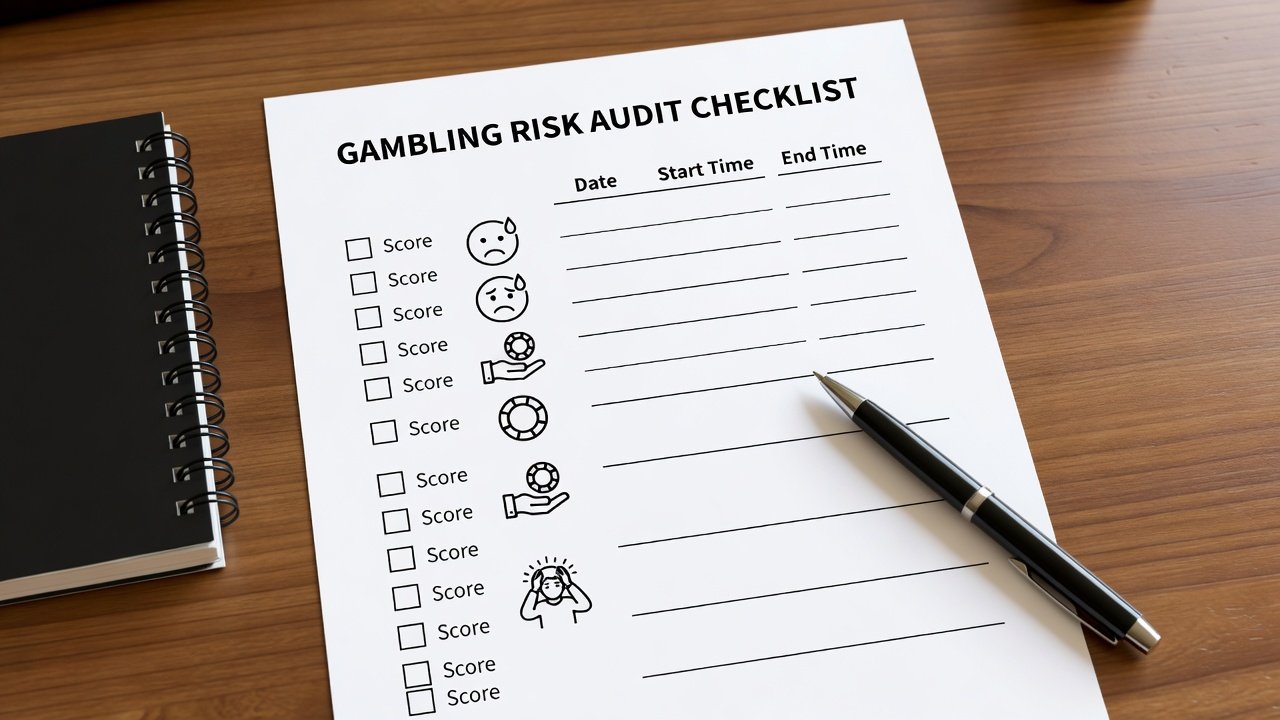
Schedule audits every three months. Begin with data collection from the prior period, followed by scoring and reflection. Compare results to previous quarters to spot trends. Document insights in a dedicated notebook or digital file. At the end of each review, set two or three specific goals for the next quarter, such as reducing session length by 20 percent or introducing one new non-gambling hobby.
Digital Tracking Tools
Several apps and browser extensions assist with monitoring. Popular options include activity logs from gambling platforms and third-party budget trackers. Combine these with manual reviews for accuracy. Resources from the World Health Organization offer additional context on behavioral health monitoring. Many modern gambling sites provide built-in session timers and spending reports that can be exported for your audit. Pairing these tools with calendar reminders ensures consistent data collection without extra effort.
Red-Flag Identification
- Increasing bet sizes to chase losses
- Neglecting responsibilities due to gambling
- Secretive behavior around activity
- Using gambling as primary stress relief
- Borrowing money or skipping bills to fund play
- Feeling irritable when unable to gamble
Score each flag: 1 point for occasional occurrence, 3 for frequent. Totals above 8 warrant immediate adjustments. Review the list monthly rather than only during formal audits to catch emerging issues quickly.
Adjustment Tactics
Implement deposit limits, session timers, and self-exclusion options where available. Replace gambling time with alternative activities such as exercise or hobbies. Reassess triggers monthly and refine coping mechanisms accordingly. Practical steps include setting phone alarms for session endings, creating a separate gambling-only bank account with strict caps, and scheduling weekly non-gambling social events. Track adherence to these tactics in your next audit to measure effectiveness.
Real-World Examples of Audit Outcomes
Consider Alex, who discovered through audit that weekend sessions had doubled over six months. After setting strict time caps and reviewing emotional logs, Alex reduced overall activity by 40 percent within one quarter. Another case involved Jordan identifying financial red flags tied to work stress; switching to non-gambling outlets led to improved savings within one quarter. A third example features Sam, whose behavioral checklist revealed a pattern of chasing losses after poor work performance. By addressing the emotional trigger directly and adding a weekly exercise routine, Sam stabilized both spending and mood within two audit cycles.
Low-Risk vs High-Risk Profile Comparison
Low-risk profiles show controlled spending under 2 percent of disposable income, infrequent sessions, and diverse leisure activities. High-risk profiles feature escalating losses, emotional dependence, and interference with daily life. Use the audit scoring to place yourself on this spectrum and target movement toward lower risk. Low-risk individuals typically maintain clear boundaries and view gambling as entertainment only, while high-risk individuals often experience guilt or anxiety after sessions yet continue regardless.
Sample Audit Template
Adapt this basic structure: Section 1 – Behavioral (score 0-20), Section 2 – Emotional (0-15), Section 3 – Financial (0-25), Section 4 – Time (0-10). Total scores guide next steps: under 20 maintain current habits, 20-40 implement minor changes, above 40 seek structured support. Customize the template by adding personal notes under each section and revisiting scores every quarter for comparison.
Common Mistakes to Avoid
One frequent error is underreporting session length or spending due to embarrassment. Another is skipping the emotional trigger section, which often holds the key to lasting change. Avoid comparing your results to others; focus solely on your own trends. Finally, do not treat the audit as a one-time event—consistency across multiple quarters produces the most reliable insights.
FAQs
When should I escalate to professional support?
If audit scores remain high after two quarters or if gambling affects relationships and finances significantly, consult resources such as those listed by the National Center for Biotechnology Information for evidence-based guidance. Professional support may include counseling services or helplines tailored to behavioral patterns.
How do audits integrate with responsible gambling habits?
Audits serve as the foundation for ongoing responsible practices. They complement tools like self-exclusion and budget limits, creating a comprehensive approach to safer participation. Regular reviews also reinforce awareness of personal limits and encourage timely adjustments before issues intensify.
Can I share my audit results with others?
Sharing with a trusted friend or family member can increase accountability, but only if you feel comfortable. Some individuals prefer keeping results private while still using them for personal growth.
Conclusion
A personal gambling risk audit empowers individuals to maintain control and make informed adjustments. By consistently applying these methods throughout 2026, readers can foster sustainable habits and reduce potential harms effectively. The framework outlined here provides both structure and flexibility, allowing anyone to tailor the process to their unique circumstances while staying aligned with responsible gambling principles.

No comments yet. Be the first!