 GambleLore
Introduction: The Growing Influence of Social Media on Betting Behaviors
In 2026, social media platforms continue to shape how people engage with betting and gambling. Targeted advertisements, influencer endorsements, and peer-shared wins create constant exposure that can escalate risks for vulnerable users. This article examines these digital triggers and provides actionable strategies for managing them while pursuing safe betting practices. The modern digital landscape makes it harder than ever to separate casual browsing from gambling impulses, as algorithms are designed to maximize engagement through personalized content streams.
Understanding these influences is essential for long-term responsible gambling. Platforms like Instagram, TikTok, and X (formerly Twitter) use sophisticated algorithms to serve content based on user interests, often amplifying gambling-related material after just a few interactions. Research from health organizations highlights how repeated exposure can rewire reward pathways in the brain, increasing the likelihood of problematic behaviors over time. Users must therefore adopt proactive habits rather than reactive measures to protect their decision-making processes.
Identifying Key Digital Triggers in Social Media Feeds
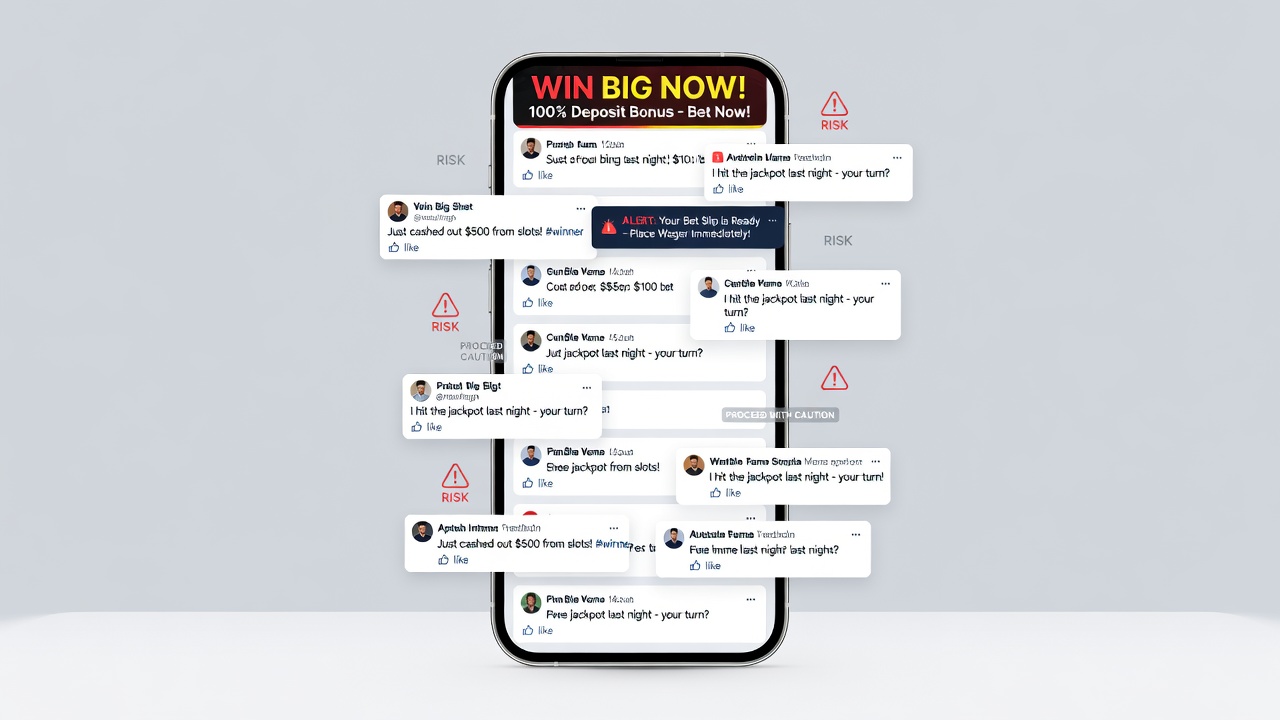
Recognizing triggers starts with auditing your daily online activity. Common triggers include sponsored posts promoting betting apps, live streams of high-stakes games, and notifications from friends celebrating wins. These elements can create urgency and normalize risky behavior, especially when they appear during moments of boredom or stress. In 2026, many platforms also integrate augmented reality filters or interactive stories that make gambling content feel more immersive and immediate.
Real-world example: A user scrolling through sports highlights on Instagram encounters a betting site ad during a major tournament. This exposure may prompt impulsive deposits even if the individual had no prior intention to bet that day. Another scenario involves TikTok videos showing "easy" betting strategies that downplay losses, leading viewers to underestimate odds and chase similar results. A third case occurs when X threads discuss live odds during events, creating a sense of community around in-play wagering that pressures users to participate quickly.
Step-by-step guide to auditing your feeds: 1. Review recent interactions with gambling content by checking your activity logs in each app. 2. Note accounts or hashtags that frequently appear and categorize them by risk level. 3. Check notification settings for betting-related alerts and disable any that encourage immediate action. 4. Document emotional responses like excitement or FOMO after viewing posts in a simple journal for one week. 5. Identify patterns such as increased screen time during evenings or weekends when vulnerability tends to be higher. This structured approach reveals hidden influences that algorithms otherwise conceal.
Comparing Popular Platforms and Their Gambling Exposure Risks
Different platforms present varying levels of risk based on their format and algorithm strength. Instagram and Facebook often feature polished ads from betting operators alongside lifestyle imagery that glamorizes wins. TikTok's short-form videos can spread viral challenges or "wins" rapidly, with the For You page escalating exposure based on watch time alone. X provides real-time betting discussions that may encourage live in-play wagers through threaded conversations and polls.
- Instagram: Heavy on visual ads and Stories promotions that appear between personal updates.
- TikTok: Algorithm-driven content that escalates quickly based on watch time and can include duet responses to gambling wins.
- X: Fast-paced conversations that heighten emotional decision-making during live sports.
- YouTube: Longer videos featuring tipsters or casino tours that embed affiliate links in descriptions.
Users should compare their personal usage patterns across these platforms to prioritize which ones need stronger controls first.
Understanding Peer Influence and Influencer Marketing
Beyond ads, peer and influencer content creates social proof that gambling is both normal and profitable. Friends posting about successful bets or influencers sharing curated highlight reels can trigger comparison and the fear of missing out. In 2026, many creators partner with betting brands through undisclosed sponsorships, making it difficult to distinguish genuine advice from paid promotion. This layer of influence often bypasses rational analysis because it feels relational rather than commercial.
To counter this, maintain a list of trusted non-gambling accounts and actively seek diverse voices that discuss the realities of losses alongside any wins. Following educational accounts from responsible gambling advocates helps dilute the effect of high-risk content.
Setting Platform Boundaries for Responsible Engagement
Establishing clear limits helps reduce exposure. Begin by muting or unfollowing accounts that promote gambling. Use built-in tools such as time limits and content filters available in most apps. Turn off personalized advertising where possible and replace gambling-related interests with neutral topics in your profile settings.
Practical steps include: enabling "not interested" options on every ad you encounter, adjusting privacy settings to limit personalized recommendations, scheduling specific times for social media use unrelated to betting research, and creating separate accounts for entertainment versus any necessary betting information. Real-world testing shows that users who implement a 30-day digital detox from high-risk platforms report significantly lower impulse to wager. Combine these with device-level restrictions such as grayscale mode during evening hours to further decrease appeal.

Tools and Features to Filter Gambling Content
Many platforms offer native options for content moderation. Third-party browser extensions can further block keywords like "bet now" or "casino bonus." For mobile users, screen-time management apps provide additional layers of control and weekly reports on usage patterns. Combining these with self-exclusion features from betting operators creates a comprehensive defense against triggers.
Advanced users can also employ custom RSS feeds or news aggregators that exclude sports betting sections entirely. Regular monthly reviews of blocked content lists ensure new triggers are caught early before they become habitual.
Building Long-Term Safe Betting Habits
Consistency matters more than one-time fixes. Regularly review your digital environment and adjust boundaries as algorithms evolve. Pair social media management with offline activities and support networks to maintain balance. Track your betting activity separately from social media use so that emotional triggers from feeds do not influence financial decisions.
Resources such as the National Council on Problem Gambling offer helplines and educational materials. Government bodies like the UK Gambling Commission provide guidance on responsible practices, while the World Health Organization addresses broader mental health impacts of behavioral addictions. These organizations update their recommendations frequently to reflect new platform trends.
FAQ: Common Questions About Social Media and Gambling Risks
How do algorithms increase gambling exposure?
Algorithms prioritize content that keeps users engaged, so initial clicks on betting posts lead to more similar material appearing in feeds within minutes.
Can I completely avoid gambling ads?
Complete avoidance is difficult on free platforms, but consistent use of filters, ad preferences, and account audits significantly reduces visibility over time.
What should I do if triggers feel overwhelming?
Take a break from social media, contact support services immediately, and consider professional help from organizations focused on responsible gambling.
Are there differences in risk between free and paid social media accounts?
Paid subscriptions often reduce ad volume but do not eliminate influencer content or peer posts, so boundaries remain necessary regardless of account type.
How often should I audit my social media habits?
Conduct a full audit every 30 days and perform quick weekly checks on notification settings and followed accounts to stay ahead of new algorithmic changes.
Conclusion
Social media will remain a powerful influence on betting behaviors in 2026. By identifying triggers, setting boundaries, and using available tools, individuals can enjoy safer, more controlled engagement with gambling activities. Regular self-assessment ensures these habits support long-term well-being and prevent escalation of risks. Implementing the strategies outlined above creates sustainable protection rather than temporary fixes.


No comments yet. Be the first!