 GambleLore

Introduction: Building Healthier Workplaces Through Responsible Gambling Education
Modern companies recognize that employee well-being extends beyond physical fitness and stress management. Integrating responsible gambling education into wellness initiatives addresses emerging behavioral health challenges while fostering productive, supportive environments. HR professionals and employees increasingly seek actionable strategies to mitigate gambling risks in professional settings, especially as digital betting platforms expand in 2026. This comprehensive approach aligns with broader mental health priorities, helping organizations reduce absenteeism, improve retention rates, and create cultures of openness around behavioral health. By embedding education on safe betting habits, companies empower staff to maintain balance between work and personal activities, ultimately contributing to higher engagement and lower turnover.
Workplace programs that address gambling risks proactively demonstrate organizational commitment to holistic employee support. These initiatives often intersect with existing wellness offerings such as mental health days, financial literacy sessions, and stress management workshops. When implemented thoughtfully, they help normalize conversations about addiction while providing practical tools for prevention and early intervention.
Recognizing Signs of Gambling Addiction in the Workplace
Early identification remains critical for effective intervention. Common indicators include unexplained financial difficulties, frequent absences or tardiness, declining performance on key projects, or secretive phone use during work hours. Colleagues may notice mood swings, irritability after short breaks, avoidance of team activities, or sudden requests for salary advances. In more advanced cases, employees might exhibit difficulty concentrating during meetings, increased isolation from coworkers, or visible signs of fatigue from late-night betting activities.
Training managers to observe these patterns without judgment creates a foundation for supportive conversations. Documentation of behavioral changes, paired with private check-ins, helps distinguish temporary stress from deeper concerns. Real-world examples show that teams trained to spot subtle shifts, such as changes in betting app notifications or repeated discussions about sports outcomes during work time, can intervene earlier. Organizations should emphasize that recognition is not about policing personal choices but about offering help when professional performance and well-being are affected.
Implementing Confidential Support Resources
Effective programs prioritize privacy to encourage voluntary participation. Companies can partner with external Employee Assistance Programs (EAPs) that specialize in behavioral addictions. These services offer 24/7 hotlines, counseling referrals, and self-assessment tools tailored to gambling concerns. Internal policies should clearly outline confidentiality protections under applicable employment laws, ensuring employees feel safe accessing help without fear of career repercussions.
Providing access to resources like SAMHSA ensures employees receive evidence-based guidance. Additional authoritative support can come from organizations such as WHO, which offers global perspectives on mental health and addiction prevention. Best practices include creating dedicated intranet pages with anonymous self-help quizzes, printed wallet cards listing helplines, and partnerships with local treatment centers for seamless referrals. Regular audits of these resources keep information current and relevant to 2026 digital trends.

Running Effective Awareness Workshops
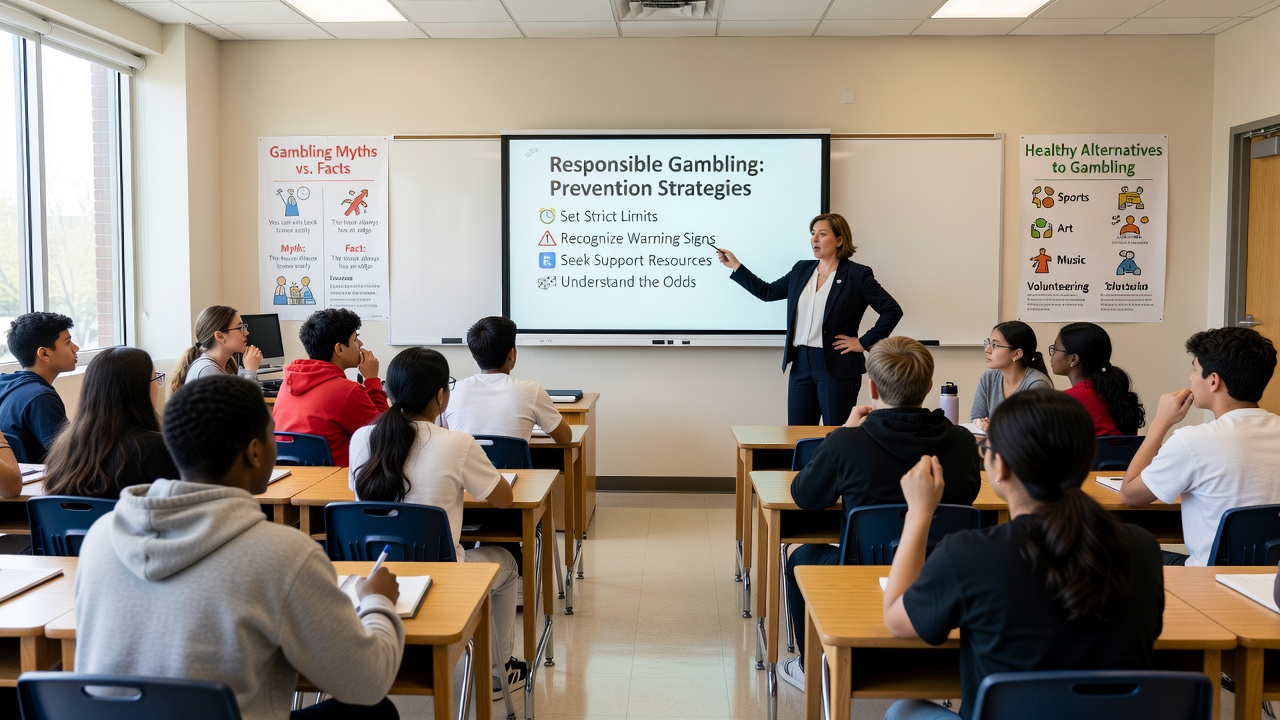
Interactive sessions deliver the greatest impact when designed with adult learning principles in mind. Workshops typically cover understanding probability and house edges in modern betting apps, setting personal limits and recognizing cognitive biases, identifying triggers and developing coping strategies, and accessing peer support networks and professional help. Facilitators should use real-world scenarios relevant to 2026 trends, such as cryptocurrency gambling and live-streamed sports betting, to maintain engagement.
Follow-up materials reinforce key messages through monthly newsletters, intranet micro-learning modules, or short video series. Companies often schedule workshops during lunch hours or as optional after-work sessions, offering incentives like wellness points for attendance. Successful formats include role-playing exercises where participants practice conversations about setting betting boundaries and guest speakers who share recovery stories in a confidential format.
Step-by-Step Examples of Successful Corporate Programs
Organizations have achieved measurable results by following structured rollouts. One technology firm began with leadership training on spotting behavioral changes, then expanded to department-level discussions and optional self-screening tools. Within six months, participation in support services increased significantly, and managers reported improved team morale. Another approach involves cross-departmental committees that review program effectiveness quarterly, tracking metrics such as workshop attendance, EAP utilization rates, and anonymous feedback surveys.
A manufacturing company implemented a phased model starting with policy updates, followed by manager toolkits and company-wide awareness campaigns. They incorporated safe betting habits messaging into existing financial wellness seminars, resulting in higher voluntary engagement. These examples demonstrate how phased implementation sustains long-term engagement and allows for iterative improvements based on employee input.
Comparing Different Corporate Approaches
Large enterprises often favor comprehensive EAP integrations with dedicated mental health days and on-site counseling, while mid-sized companies focus on targeted workshops and manager toolkits. Tech startups may leverage digital platforms for on-demand learning modules, contrasting with traditional industries that emphasize in-person group sessions and printed resource guides. Key differentiators include budget allocation, cultural fit, and measurement frameworks. Companies emphasizing proactive education report stronger employee trust compared to reactive-only models that address issues only after performance declines.
Practical Steps for HR Professionals to Launch Programs
HR teams can follow a clear sequence: assess current wellness offerings and identify gaps, form a cross-functional planning committee, select evidence-based content partners, pilot workshops with a small group, gather feedback, and scale successful elements. Additional steps include training managers on empathetic communication, updating employee handbooks to include gambling support policies, and creating communication plans that highlight confidentiality. Regular evaluation ensures the program evolves with workforce needs and emerging 2026 betting technologies.
Common Mistakes to Avoid
Many organizations stumble by treating responsible gambling as a one-time training event rather than an ongoing initiative. Others fail to secure leadership buy-in, resulting in low visibility and participation. Overly punitive policies can drive issues underground, while insufficient promotion leaves employees unaware of available resources. Avoiding these pitfalls requires consistent messaging, leadership modeling of healthy behaviors, and integration with broader mental health efforts.
2026 Trends in Workplace Responsible Gambling Initiatives
Forward-thinking employers are adopting AI-driven wellness apps that provide personalized risk assessments and habit-tracking features. Hybrid models combining virtual workshops with in-office support groups address diverse workforce preferences. Emphasis on safe betting habits continues to grow alongside regulatory developments in online gaming, with more companies incorporating financial wellness modules that specifically address digital gambling risks.
Legal Considerations: FAQ Section
Can employers mandate gambling education?
Participation in educational components is generally voluntary, though companies may require training on company policies regarding workplace conduct and professional boundaries.
What privacy protections apply?
Records related to employee support must comply with applicable health privacy regulations. External providers often handle sensitive data to maintain separation from personnel files.
Are there liability risks for offering these programs?
Well-designed initiatives that focus on education and voluntary support typically reduce organizational risk by demonstrating proactive care for employee welfare. Consultation with legal counsel ensures alignment with local requirements.
How should companies handle suspected addiction affecting performance?
Focus on documented performance issues first, then offer support resources privately without diagnosing or accusing. Maintain consistent application of policies across all employees.
Conclusion: Creating Sustainable Impact
Workplace wellness programs that incorporate responsible gambling education deliver lasting benefits for both employees and organizations. By combining recognition training, confidential resources, ongoing workshops, and careful measurement, companies cultivate environments where safe betting habits thrive. As 2026 unfolds, these integrated strategies position businesses as leaders in holistic employee support, fostering healthier, more resilient teams ready to meet future challenges.

No comments yet. Be the first!