 GambleLore
Introduction: The Growing Need for School-Based Gambling Education
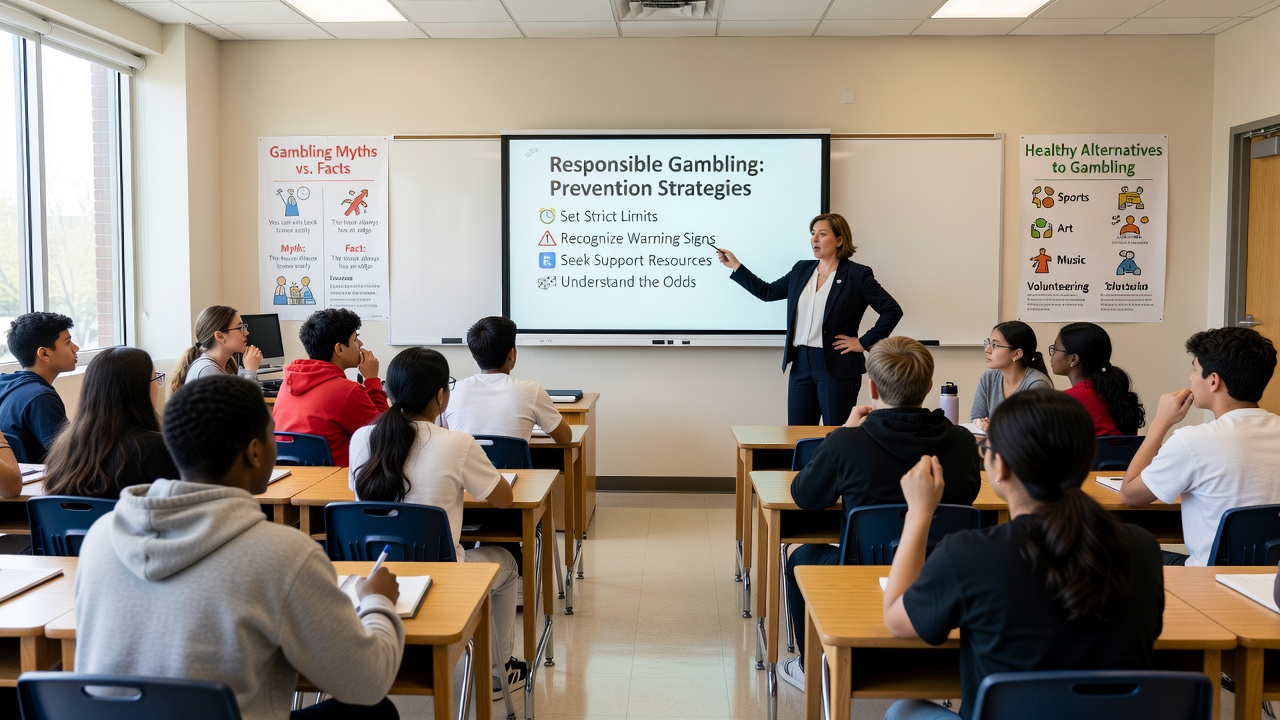
Youth exposure to gambling continues to rise through online platforms and sports betting apps, making proactive education essential. Schools serve as critical environments where students can learn healthy decision-making before risks escalate. This article examines comprehensive initiatives that educational institutions can adopt to promote responsible gambling, drawing on evidence-based approaches that benefit students, families, and communities long-term. By integrating prevention into curricula and fostering external collaborations, schools help lower future addiction rates while building awareness. Parents, educators, and policymakers will find actionable insights here to support these efforts. The long-term community impacts include reduced healthcare burdens and stronger family structures, as early education equips young people with tools to resist peer pressure and marketing tactics that normalize betting.
Why Schools Must Address Gambling Risks Early
Adolescents are particularly vulnerable to gambling harms due to developing brains and social influences. Early intervention through education reduces the likelihood of problem behaviors persisting into adulthood. Research from the World Health Organization highlights how targeted prevention programs in educational settings yield measurable public health benefits over time. Communities that prioritize these initiatives often see decreased rates of youth mental health issues linked to gambling losses and related stressors. Furthermore, schools reach a captive audience during formative years, allowing consistent messaging that complements home discussions. Without such programs, students may turn to unregulated online sites where age verification is weak, increasing exposure to predatory practices and financial exploitation.
Statistics indicate rising participation among teens, underscoring urgency. Schools that ignore this trend risk higher dropout rates and disciplinary issues tied to gambling debts. Proactive education fosters resilience, teaching emotional regulation and critical thinking skills that extend beyond gambling to other high-risk behaviors like substance use.
Age-Appropriate Curriculum Ideas
Effective programs tailor content by grade level. Elementary students benefit from basic lessons on probability and money management through games that avoid real stakes, such as coin-flip experiments illustrating house edges without financial loss. Middle school modules introduce peer pressure scenarios and digital literacy around betting advertisements, using case studies of social media influencers promoting gambling apps. High school curricula delve into statistics of addiction, financial consequences, and ethical decision-making, incorporating guest speakers and project-based learning where students analyze real-world betting odds from sports events.
Interactive elements like role-playing, group discussions, and digital simulations keep engagement high while reinforcing key concepts. Teachers receive training to handle sensitive topics without stigmatizing students. Additional resources include worksheets on budgeting that connect gambling risks to future goals like college savings. Schools can integrate these topics into existing math, health, or social studies classes to avoid curriculum overload, ensuring lessons feel relevant rather than add-on obligations.
Building Partnerships with Gambling Support Organizations
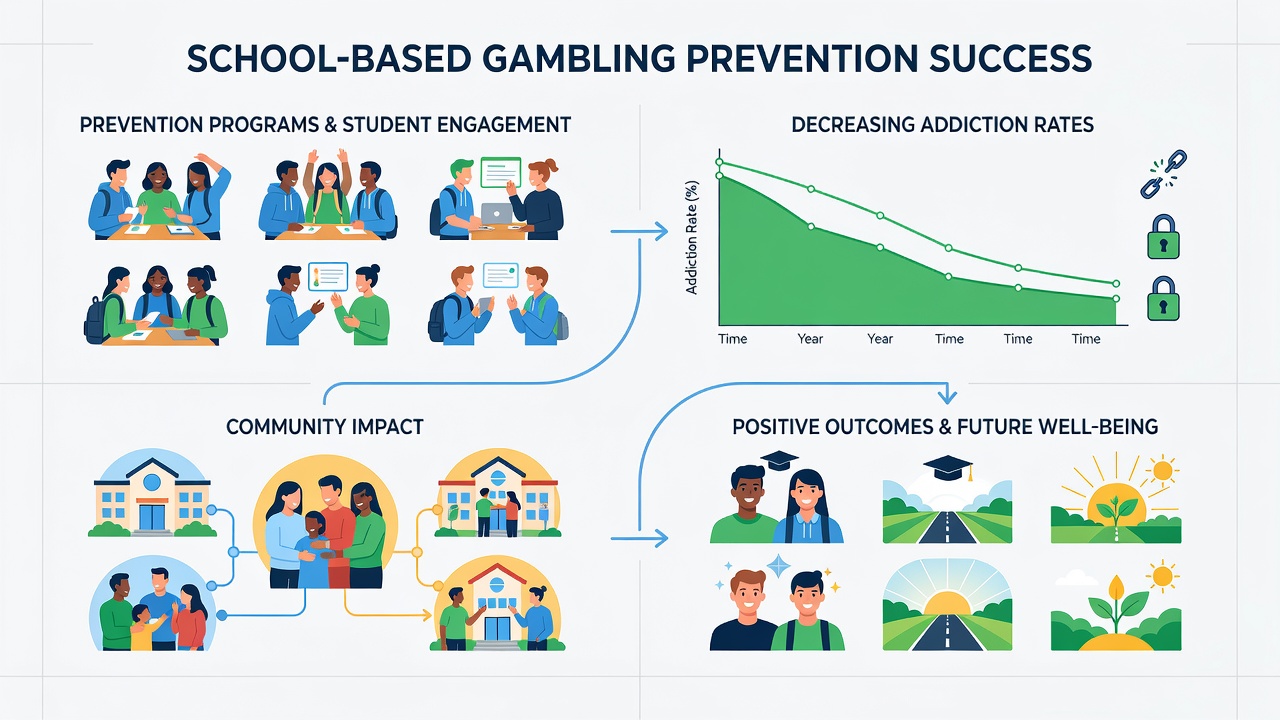
Schools strengthen programs by collaborating with established nonprofits and health agencies. These partnerships provide expert speakers, free resources, and referral pathways for at-risk students. Organizations focused on responsible gambling supply age-appropriate materials and ongoing evaluation tools that align with school goals. Joint workshops with community groups also extend impact beyond the classroom, involving parents in awareness campaigns. To initiate partnerships, administrators can contact local chapters of national health bodies or reach out via education department networks. Benefits include access to updated research, train-the-trainer sessions for staff, and co-branded materials that lend credibility to school efforts. Successful collaborations often involve quarterly review meetings to align on emerging trends like cryptocurrency betting or esports gambling.
Measuring Success: Key Indicators and Evaluation
Programs track progress through pre- and post-intervention surveys measuring knowledge gains and attitude shifts. Reduced reports of gambling-related incidents in school counseling offices serve as another metric. Long-term indicators include lower community addiction rates tracked via public health data over five to ten years. Schools may also monitor attendance at voluntary help sessions or changes in student self-reported behaviors through anonymous digital polls. Data collection tools range from simple Google Forms to integrated learning management system analytics. Regular feedback loops with students and staff allow adjustments, ensuring initiatives remain relevant and effective. Sharing aggregated results with parents builds trust and encourages home reinforcement of classroom lessons.
Real-World Case Examples from Effective Programs
One urban district implemented a semester-long elective combining math and health classes, resulting in a 25% improvement in student understanding of odds within one academic year. A rural high school partnered with local health services to host annual awareness weeks, leading to increased help-seeking behaviors among participants. In another example, a suburban middle school embedded short modules into advisory periods, yielding a 40% drop in reported online betting attempts over two years based on follow-up surveys. A large city-wide initiative in a coastal region trained over 200 teachers and reached 15,000 students, with independent evaluations showing sustained knowledge retention six months post-program. These examples demonstrate scalable models adaptable to various school sizes and demographics, highlighting the importance of cultural tailoring for diverse student populations.
Practical Steps for Launching Initiatives
Follow these steps to start a program:
- Assess current student knowledge via anonymous surveys to identify knowledge gaps and tailor content accordingly.
- Secure administrative buy-in and allocate time within existing health or social studies classes by presenting data on prevalence and potential benefits to school climate.
- Develop or adapt curriculum using free resources from reputable sources, incorporating teacher feedback during pilot phases.
- Train staff through professional development sessions that include role-play scenarios and handling disclosures sensitively.
- Establish partnerships and pilot the program in select grades before expanding district-wide.
- Evaluate outcomes and refine based on data before full rollout, documenting successes to secure ongoing funding or grants.
Starting small minimizes disruption while building momentum for broader adoption. Additional considerations include budgeting for materials, ensuring accessibility for students with disabilities, and planning for virtual options during remote learning periods.
Frequently Asked Questions
Does teaching about gambling encourage students to try it?
No. Evidence shows education focused on risks and responsible choices actually deters experimentation by building informed skepticism and highlighting long-term consequences.
How can parents support school efforts at home?
Parents reinforce lessons by discussing family values around money and monitoring online activity without invading privacy, while modeling responsible financial habits themselves.
What if a student already shows signs of gambling issues?
Schools connect families with confidential counseling through partner organizations and avoid punitive approaches that discourage disclosure, focusing instead on supportive interventions.
Are there legal considerations for implementing these programs?
Yes, schools should consult local education policies and ensure materials comply with state guidelines on sensitive topics, often involving legal review of partnership agreements.
How do programs address cultural differences in attitudes toward gambling?
Effective initiatives incorporate diverse perspectives through community input sessions, adapting examples to reflect varied family backgrounds and beliefs about risk and chance.
Conclusion: Long-Term Community Benefits
School initiatives on responsible gambling create ripple effects, fostering healthier generations and reducing societal costs associated with addiction. By investing in prevention today, communities achieve sustained improvements in youth well-being and economic productivity. Educators and policymakers are encouraged to begin planning these programs using the frameworks outlined above for maximum impact, recognizing that consistent effort across multiple years produces the most meaningful reductions in gambling-related harms.


No comments yet. Be the first!