 GambleLore

Navigating Global Gambling Regulations for Safe Betting in 2026
The global gambling landscape in 2026 is defined by increasingly sophisticated regulations designed to balance industry growth with robust player protections. As more jurisdictions legalize and expand betting options, understanding these rules becomes essential for anyone seeking safe, responsible participation. This article explores the latest developments in key regions, offering practical guidance on compliance, comparisons of regulatory approaches, and real-world examples of protective measures such as legally enforced deposit limits. Bettors who stay informed can minimize addiction risks while enjoying legal opportunities.
Key Regulatory Changes in Major Markets
Regulatory frameworks continue to evolve rapidly worldwide. Governments recognize that unchecked gambling can lead to significant social costs, prompting updates that emphasize transparency, age verification, and harm-reduction tools. In 2026, the focus remains on integrating technology to monitor player behavior and enforce limits automatically.
Europe: Strict Oversight and Player Protections
Europe maintains some of the world's most comprehensive gambling regulations. The United Kingdom Gambling Commission requires all licensed operators to implement mandatory affordability checks and real-time spending alerts. Across the European Union, directives encourage member states to adopt standardized player protection protocols, including mandatory registration and session time limits. Countries like Germany and the Netherlands have introduced centralized self-exclusion databases that block access across multiple platforms simultaneously. These measures have proven effective in reducing problem gambling rates by providing immediate interventions when users approach risky thresholds.
Asia: Balancing Growth and Control
Asia presents a diverse regulatory picture. Japan has expanded its integrated resort model with strict licensing that includes mandatory responsible gambling education for all patrons. Singapore continues to enforce high entry barriers for casinos while promoting digital tools for limit setting. In contrast, emerging markets in Southeast Asia experiment with more lenient online frameworks, though they still require operators to provide addiction support hotlines. Bettors in Asia must navigate varying enforcement levels, often verifying local rules through government portals before placing wagers.
North America: Fragmented but Strengthening Rules
North American regulations remain decentralized. In the United States, individual states set their own standards, with many now requiring geofencing technology and strict advertising guidelines to prevent targeting vulnerable populations. Canadian provinces emphasize provincial monopolies or tightly controlled licensing that includes built-in loss limits. Mexico and other neighboring countries are beginning to align with international standards through bilateral agreements. This patchwork approach demands that bettors research specific state or provincial rules carefully to avoid unintentional violations.
Comparing Strict vs Lenient Regulatory Frameworks
Strict regulatory environments typically feature automated deposit limits, mandatory cooling-off periods, and comprehensive data reporting by operators. These systems create safer spaces but may limit the variety of available games and betting types. Lenient frameworks prioritize market access and innovation, often resulting in fewer mandatory safeguards and greater reliance on individual responsibility. Research from authoritative sources shows that strict models correlate with lower addiction prevalence, while lenient ones require bettors to adopt personal strategies proactively. Understanding this spectrum helps individuals choose platforms aligned with their risk tolerance.
- Strict frameworks mandate identity checks, spending caps, and regular audits, leading to safer environments but fewer options.
- Lenient systems offer flexibility yet increase exposure to unregulated sites and higher addiction potential.
- Hybrid approaches combine elements of both, providing baseline protections while allowing operator innovation.
World Health Organization data underscores the value of structured protections in reducing gambling-related harm globally.
Compliance Strategies for Bettors
Successful navigation of 2026 regulations starts with proactive habits. First, always confirm that an operator holds a valid license from the relevant authority in your jurisdiction. Second, enable all available responsible gambling tools immediately upon registration. Third, maintain detailed personal records of activity to spot patterns early. Fourth, participate in educational programs offered by licensed sites or regulatory bodies. Fifth, consult legal resources when crossing borders or using international platforms. These steps reduce legal exposure and support long-term responsible engagement.
Practical Examples of Deposit Limits Enforced by Law
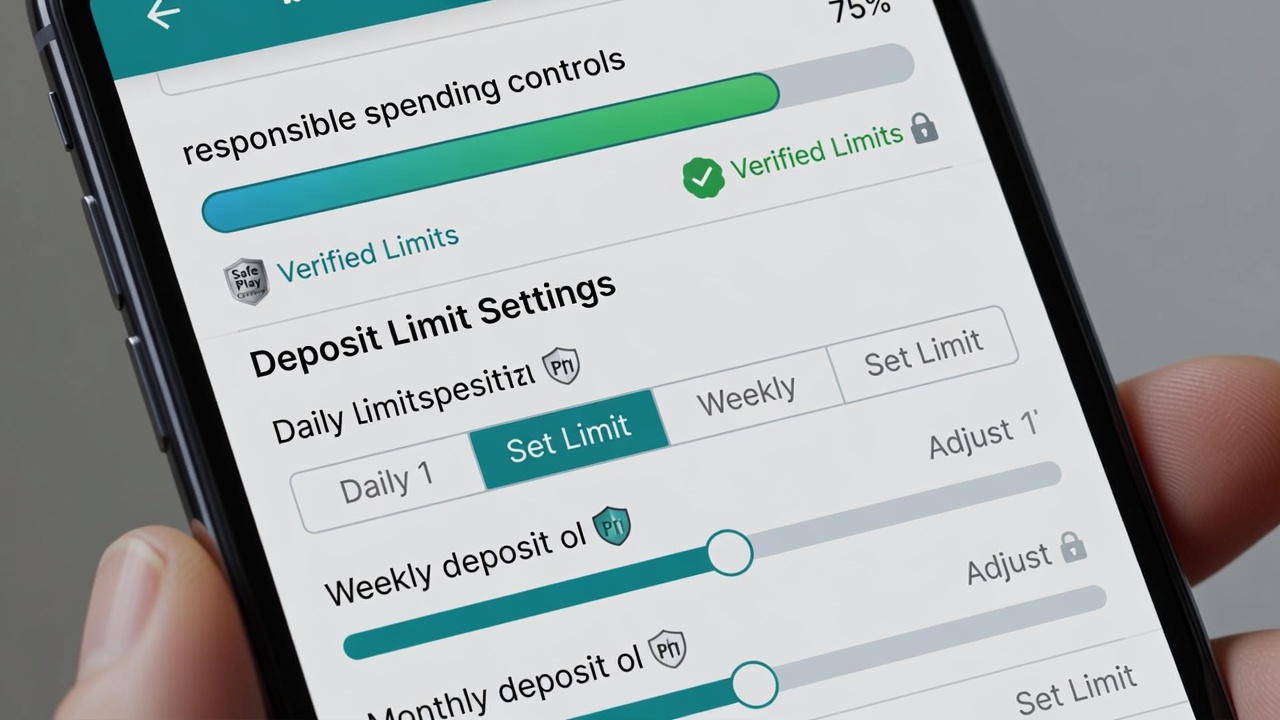
Many European jurisdictions now legally require operators to cap daily deposits at operator-enforced levels, typically with automatic notifications at 50 percent and 80 percent of the limit. In the Netherlands, for example, users must confirm limits before play begins, and exceeding them triggers mandatory pauses. Similar systems in parts of Canada allow players to set weekly or monthly caps that cannot be increased without a cooling-off period. These examples demonstrate how legislation translates into daily tools that encourage mindful spending and have contributed to measurable declines in excessive gambling behaviors.
Step-by-Step Compliance Checklist
Use this detailed checklist to ensure ongoing adherence:
- Verify operator license via regulatory body websites before depositing funds.
- Enable two-factor authentication on all gambling accounts for security.
- Review and activate deposit, loss, and time limits during initial setup.
- Schedule monthly reviews of account statements to track spending trends.
- Utilize self-exclusion programs if behavior indicates emerging concerns.
- Stay updated on regulatory changes through official government announcements.
- Seek support from recognized helplines when limits feel difficult to maintain.
UK government guidance provides additional resources for understanding these obligations.
Expert Insights on Responsible Gambling
Leading experts in behavioral health emphasize that 2026 regulations will increasingly incorporate artificial intelligence to detect early signs of problematic play. These systems can prompt personalized interventions such as suggested breaks or limit adjustments. Combining legal requirements with technological support creates a more responsive environment that adapts to individual needs while maintaining compliance.
Common Mistakes to Avoid
Many bettors overlook the importance of reading updated terms after regulatory changes or fail to verify cross-border legality when traveling. Another frequent error is ignoring built-in tools in favor of manual tracking, which proves less effective. Avoiding these pitfalls requires consistent attention to both legal updates and personal habits.
Conclusion
Mastering global gambling regulations empowers individuals to participate safely and legally in 2026. By applying the strategies, checklists, and examples outlined above, bettors can protect themselves against addiction risks while benefiting from regulated markets. Continued vigilance and use of official resources remain the cornerstones of responsible betting.
FAQ
What are the main player protection measures in 2026?
Key measures include mandatory deposit limits, self-exclusion programs, age verification, and AI-assisted behavior monitoring across major jurisdictions.
How do regulations differ between Europe and Asia?
Europe tends toward stricter enforcement with automated tools and centralized databases, whereas Asia shows more variation from lenient trial markets to highly controlled systems with education requirements.
Are there tools for tracking gambling activity?
Yes, licensed platforms must offer built-in trackers, and many regulators require real-time reporting features accessible to users.
What should I do if I suspect a platform is non-compliant?
Report concerns directly to the licensing authority and cease activity until verification is complete.
Can regulations change mid-year?
Yes, jurisdictions may introduce updates, so regular checks of official sources are recommended for ongoing compliance.


No comments yet. Be the first!