 GambleLore
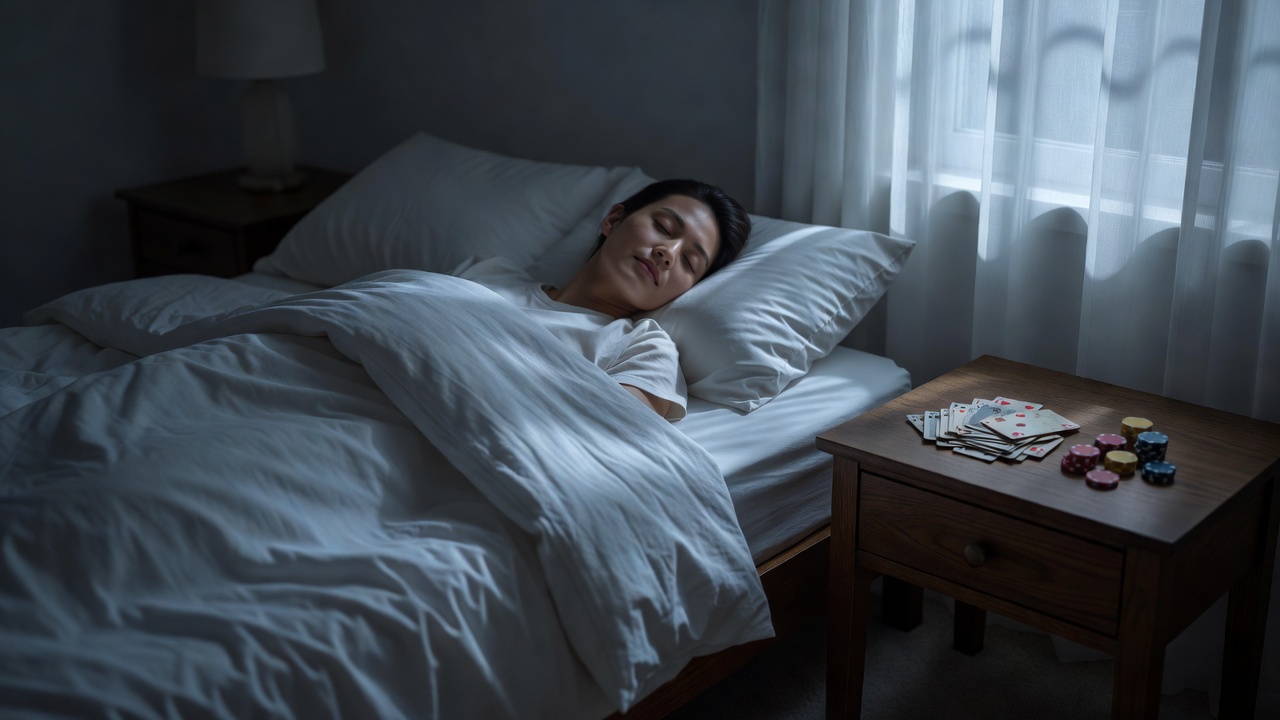
Introduction: Why Sleep Matters for Responsible Gambling
Poor sleep is one of the most overlooked factors that can undermine responsible gambling practices. In 2026, as online betting platforms grow more accessible, understanding how rest deprivation affects decision-making is essential for anyone seeking to maintain control. This article dives deep into the science connecting sleep and gambling behavior, offering practical tools beyond basic advice. Bettors who ignore sleep often find themselves making riskier choices without realizing the root cause lies in fatigue rather than just the thrill of the game.
The Science Linking Sleep Deprivation to Impulsive Wagering
Research consistently shows that insufficient sleep impairs the prefrontal cortex, the brain region responsible for impulse control and risk assessment. A study from the National Institutes of Health highlights how even one night of poor rest increases susceptibility to high-risk choices. Learn more from NIH resources. When gamblers are sleep-deprived, they are more likely to chase losses and ignore betting limits, elevating addiction vulnerability. Sleep loss also disrupts dopamine regulation, making wins feel more rewarding and losses more frustrating, which fuels continued play. Chronic issues compound this effect, with longitudinal data showing that individuals averaging under six hours of sleep nightly face significantly higher odds of developing problematic gambling patterns over time.
Further evidence from sleep researchers indicates that chronic sleep issues correlate with higher rates of problematic gambling. This connection is bidirectional: gambling late into the night disrupts circadian rhythms, creating a cycle that is hard to break without intentional intervention. Hormonal changes from lack of rest can heighten emotional reactivity, turning minor betting sessions into extended marathons.
Recognizing Sleep-Related Warning Signs in Betting Habits
Bettors should monitor specific indicators that sleep problems may be influencing their gambling. These include placing larger bets after midnight or during periods of fatigue, difficulty stopping sessions despite pre-set limits, increased emotional reactions to wins and losses, forgetting previous bets or strategies due to mental fog, and experiencing daytime drowsiness that leads to compensatory late-night betting. Tracking these signs through a simple journal can reveal patterns before they escalate into larger issues. Many bettors overlook how micro-sleep episodes during the day reduce focus on odds analysis and bankroll management.
Practical Steps for Building a Sleep Routine That Supports Safer Betting
Creating a consistent sleep schedule is foundational. Aim for 7-9 hours nightly by establishing a wind-down ritual starting 60 minutes before bed. Avoid screens emitting blue light, which suppress melatonin. Instead, try reading or light stretching. For bettors, setting a strict cutoff time for gambling—such as no wagers after 10 PM—helps protect sleep quality. Additional tactics include optimizing the bedroom environment for darkness and cool temperatures, limiting caffeine after noon, and using apps to track sleep patterns alongside betting logs. A sample seven-day plan might start with gradual earlier bedtimes, incorporating 30-minute wind-downs each evening, and weekly reviews of both sleep scores and betting activity. Integrating these with existing responsible gambling tools, like deposit limits and self-exclusion periods, creates a holistic prevention approach that addresses multiple risk layers simultaneously.
Environmental adjustments such as blackout curtains and white noise machines further enhance rest, while avoiding heavy meals close to bedtime prevents disruptions. Over several weeks, these habits typically lead to sharper decision-making during betting sessions.

Comparing Sleep's Influence with Other Risk Factors
While alcohol and financial stress are well-known gambling risks, sleep deprivation often acts as a silent amplifier. Unlike substance use, which has clear legal restrictions, sleep issues can go unnoticed until patterns of impulsive wagering emerge. Studies suggest poor sleep may compound the effects of other factors, making it a critical yet modifiable variable in responsible gambling frameworks. For instance, combining fatigue with peer pressure or promotional bonuses can multiply risk far beyond either factor alone. Sleep stands out because it is directly controllable through daily routines, unlike many external influences.
Real-Life Examples of Bettors Regaining Control Through Better Rest
Consider the case of a recreational sports bettor who noticed escalating losses during late-night sessions. By shifting to earlier bedtimes and using a sleep tracker, he reduced impulsive bets by half within a month and reported clearer analysis of team statistics. Another example involves a poker player who implemented a 48-hour break after recognizing fatigue-driven decisions; this pause, combined with improved sleep hygiene, helped restore disciplined play and prevented tilt-induced losses. A third case featured a casino slot enthusiast who paired sleep tracking with daily step goals, leading to fewer all-night sessions and stronger adherence to loss limits. These stories illustrate how small, consistent changes in rest yield measurable improvements in self-control.
Actionable Checklists and Integration Tips
Use this checklist to align sleep and betting habits: Track sleep duration and quality for one week alongside betting activity; set device curfews that align with both sleep and gambling cutoffs; review weekly betting reports during morning hours when rested; combine sleep goals with tools from responsible gambling programs; schedule non-gambling wind-down activities like meditation; and adjust caffeine intake based on personal sleep data. These steps enhance self-awareness and reduce overall risk exposure while fitting seamlessly into existing safety protocols offered by most betting sites.
FAQ: Common Questions on Sleep and Gambling
How much sleep is needed to maintain safe betting decisions?
Most adults require at least seven hours per night for optimal cognitive function. Less than this can subtly impair judgment within a single session, increasing the likelihood of chasing losses.
Can improving sleep reverse existing gambling problems?
While not a cure-all, better sleep often reduces impulsivity and supports other interventions like counseling or support groups. Explore global health perspectives on behavioral health.
Are there specific apps recommended for both sleep and betting tracking?
Many bettors find success pairing general sleep trackers with platform-provided responsible gambling dashboards for a complete view of habits and patterns.
What role does napping play in managing gambling risks?
Short power naps of 20 minutes can restore alertness but should not replace consistent nighttime sleep, as irregular napping may further disrupt circadian rhythms.
How can family members support better sleep for safer betting?
Encouraging shared wind-down routines and gently reminding loved ones of cutoff times fosters accountability without confrontation.
Conclusion
Prioritizing sleep is a powerful, evidence-based strategy for safer betting. By addressing rest deprivation through structured routines, warning sign awareness, and integration with proven tools, individuals can strengthen their ability to make thoughtful decisions and maintain long-term control over gambling activities. Consistent application of these principles leads to both better rest and more responsible play over time.


No comments yet. Be the first!