 GambleLore
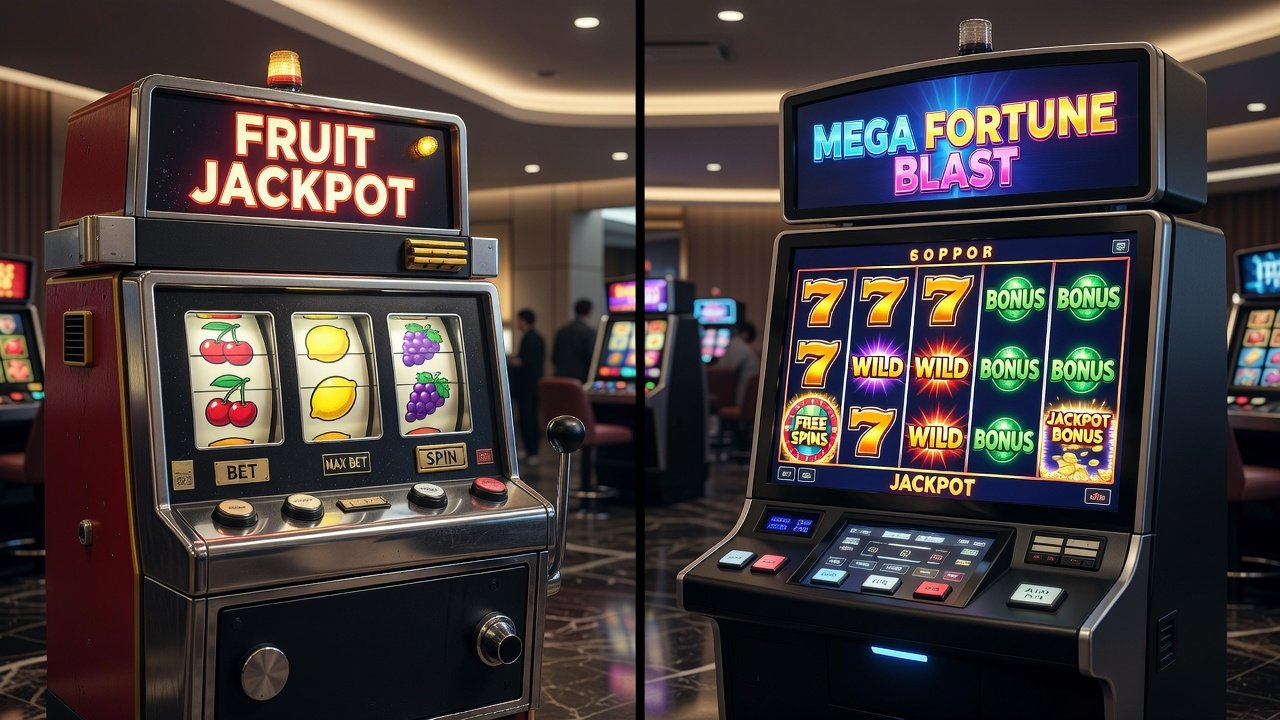
Introduction to Classic and Video Slots in 2026
Players seeking the best slot experience in 2026 often face a key decision between classic and video slot machines. These two categories differ significantly in design, mechanics, and potential returns. Understanding these distinctions helps align gameplay with personal preferences for pace, risk, and entertainment value. As online casinos continue to evolve with improved graphics and mobile integration, knowing the core differences empowers players to select games that match their style and goals.
This guide explores symbol layouts, payout structures, bonus frequency, volatility, and mobile compatibility in detail. Real-world examples from popular titles illustrate practical differences, while step-by-step frameworks support informed decisions. By the end, readers will have actionable insights for adapting strategies across both formats.
Understanding Classic Slot Machines
Classic slots typically feature three reels and a limited set of symbols such as fruits, bars, and sevens. Their straightforward mechanics appeal to players who prefer simplicity and nostalgia. Gameplay focuses on matching symbols across a single payline or a small number of lines, creating a fast-paced experience without overwhelming features.
These machines originated from mechanical designs and retain that charm through minimal animations. In 2026, many digital versions preserve the original feel while adding subtle modern touches like improved sound design. Players often choose classics for quick sessions where immediate feedback matters most.
Symbol Layouts in Classic Slots
Symbol layouts remain minimal, often with nine to twenty symbols per reel. This creates predictable patterns and frequent small wins. Titles like classic versions of Starburst demonstrate how traditional layouts maintain appeal through clean visuals and reliable symbol combinations. The limited reel count reduces complexity, making it easier to track potential outcomes during play.
Exploring Video Slot Machines
Video slots expand to five or more reels with hundreds of paylines. Advanced graphics, animations, and thematic storytelling define the category. Popular examples include Gonzo's Quest and Book of Dead, which use cascading reels and expanding wilds to create immersive experiences that go beyond basic spinning.
These games often incorporate narrative elements, character development, and progressive elements that unfold over multiple spins. The added layers make each session feel like an interactive story rather than repetitive action.
Symbol Layouts in Video Slots
Layouts incorporate stacked symbols, multipliers, and special icons that trigger features. This complexity allows for varied winning combinations beyond simple line matches. Many titles now include megaways mechanics or cluster pays, expanding possibilities even further and requiring players to understand new symbol behaviors.
Payout Structures and RTP Comparisons
Return to Player (RTP) percentages guide long-term expectations. Classic slots often range from 95% to 97%, while video slots vary more widely depending on features. Higher RTP titles reward consistent play over time, though actual results fluctuate with volatility and session length.
Volatility measures win frequency and size. Classic slots tend toward low volatility with steady small payouts, whereas video slots frequently exhibit medium to high volatility for larger but less frequent wins. Comparing these metrics helps players select games that fit their bankroll and time commitment.
Bonus Frequency and Feature Triggers
Classic slots rarely include complex bonuses, relying instead on base game spins. Video slots integrate free spins, pick-and-win rounds, and progressive jackpots that activate more often due to additional reels and triggers. Frequency can vary by title, with some video games delivering features every 50 to 150 spins on average.
- Classic bonus frequency: Limited to occasional wild substitutions or simple multipliers.
- Video bonus frequency: Higher with multi-stage features, retriggers, and bonus buy options in select titles.
- Strategy adaptation: Classic players focus on consistent betting, while video players time entries around known feature cycles when possible.
Volatility Impacts on Player Experience
Low-volatility classic slots suit shorter sessions and conservative bankrolls by delivering regular small returns that maintain engagement. High-volatility video slots demand patience and larger reserves for potential big payouts, often leading to longer dry spells followed by significant swings.
Players should match volatility to session length and risk tolerance. In 2026, many platforms provide volatility ratings directly on game pages, allowing quick filtering before committing funds.
Mobile Compatibility in 2026
Both formats perform well on smartphones, but video slots leverage touch-optimized interfaces and portrait modes more effectively. Classic slots load faster on older devices due to simpler graphics, reducing data usage during extended play. 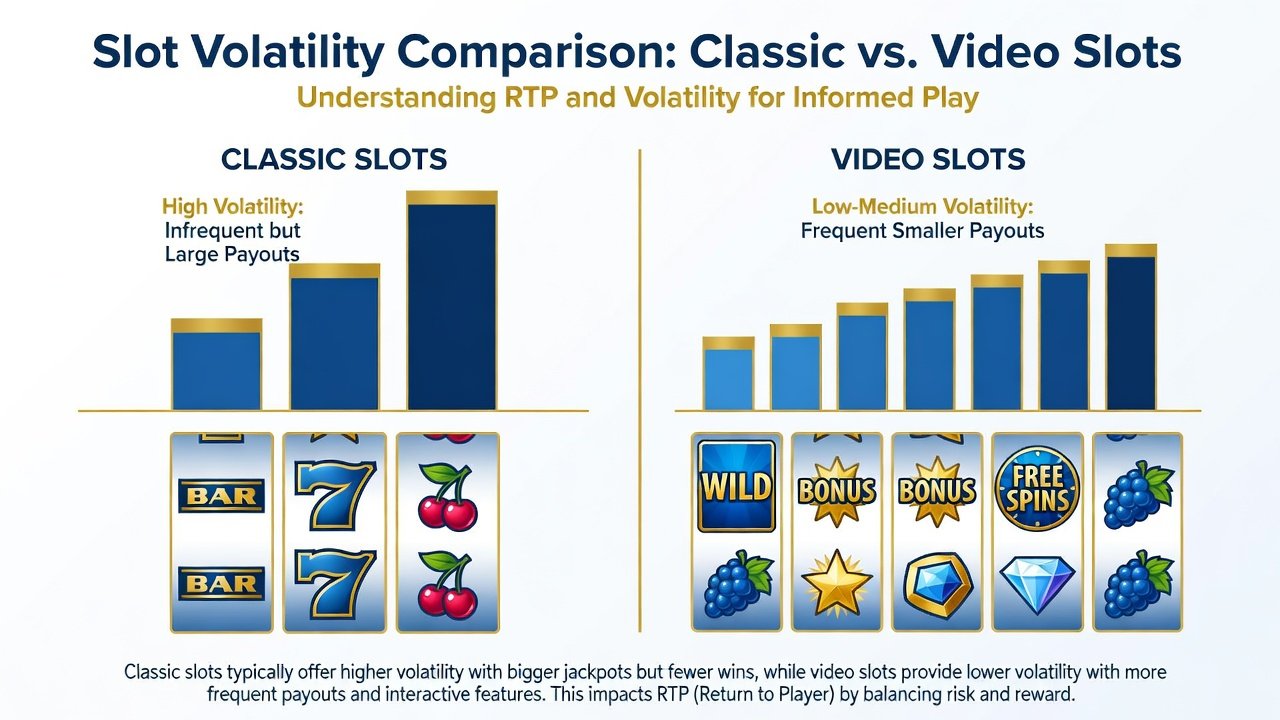
Step-by-Step Decision Framework
- Assess preferred session length and risk level by reviewing your typical play duration and comfort with swings.
- Review RTP and volatility data for specific games using in-game information panels or casino summaries.
- Test demo versions to evaluate bonus engagement and overall feel without financial commitment.
- Allocate bankroll strategically: dedicate around 60 percent to classic slots for stability and 40 percent to video slots for excitement in mixed sessions.
- Set clear win and loss limits before starting and track results after every 100 spins to adjust approach.
- Consider game themes and personal enjoyment factors alongside mathematical metrics for long-term satisfaction.
Bankroll Allocation Tips
Divide funds based on volatility preferences. For classic slots, smaller bets across more spins preserve balance and extend playtime. Video slots benefit from slightly larger bets during feature-heavy periods but require strict loss limits to avoid rapid depletion during high-volatility stretches. Always maintain a separate reserve for unexpected opportunities or longer sessions.
Common Pitfalls to Avoid
Many players chase bonuses without checking RTP, leading to faster depletion over time. Ignoring mobile data usage on video slots can result in unexpected costs during travel. Overlooking paytable details often causes missed opportunities with special symbols. Another frequent mistake involves switching games too quickly without giving volatility patterns time to emerge. Finally, failing to set session limits leads to extended play beyond initial plans, reducing overall enjoyment.
Real-World Examples
Starburst remains a benchmark classic with its expanding wilds on a simple grid, offering reliable entertainment across devices. Video counterparts like Dead or Alive 2 showcase how high volatility combines with frequent bonus rounds for dynamic play. Other examples include Twin Spin for hybrid appeal and Reactoonz for cluster-based video mechanics that highlight modern innovation.
FAQ
Which offers better long-term value?
Classic slots provide steadier returns while video slots offer higher upside through features, depending on individual risk preference and session goals.
How does mobile play differ?
Video slots deliver richer visuals but may require stronger connections, whereas classic slots prioritize speed and lower resource demands on mobile networks.
Are RTPs higher in one type?
Both can reach similar averages; individual game selection and feature structures matter more than category alone.
What bankroll strategy works best?
Balance allocation according to volatility, with conservative portions for classics and flexible portions for video features.
Can players mix both types effectively?
Yes, many combine them in single sessions using the 60-40 split to maintain variety without overextending resources.
Conclusion
Choosing between classic and video slots in 2026 depends on balancing simplicity against feature depth. Apply the frameworks above to maximize enjoyment and value across sessions. For responsible play resources, visit the UK Gambling Commission and BeGambleAware.

No comments yet. Be the first!