 GambleLore

Multi-Game Sessions: Strategies for Switching Slot Machines 2026
Players seeking more than repetitive single-game play are turning to multi-game sessions as a refined approach in online slots. This method involves deliberately rotating between several titles within one continuous session to maintain engagement levels and distribute risk more effectively. In 2026, with progressive jackpots growing across interconnected networks, the strategy offers increased exposure to accumulating prizes without relying on extended runs on any single machine. The core appeal lies in balancing variety with structured decision-making, allowing participants to adapt to changing game dynamics in real time.
Traditional single-game focus often leads to diminishing returns as players experience fatigue or encounter cold streaks that drain resources quickly. Multi-game rotation counters these issues by introducing fresh mechanics, bonus rounds, and volatility profiles at regular intervals. This not only sustains interest but also aligns with evolving player preferences for flexible, data-informed play patterns observed across major platforms this year.
Why Multi-Game Rotation Improves Results
Rotating between slots during a single session provides tangible advantages in both entertainment value and potential returns. Different games feature unique reel structures, payline configurations, and special features that keep cognitive engagement high. Progressive jackpot titles, in particular, benefit from the cumulative betting volume generated when players move between linked games, as each spin contributes to the shared prize pool regardless of the specific machine chosen.
Psychological benefits also play a significant role. Extended time on one title can create tunnel vision, where players overlook better opportunities elsewhere. By switching, individuals reset their focus and avoid the sunk-cost fallacy that sometimes traps participants in unproductive cycles. Data from player forums and analytics tools in 2026 shows that sessions incorporating deliberate rotation tend to last longer while maintaining more consistent enjoyment levels.
Additionally, this approach supports better risk management. A mix of volatility levels allows players to offset losses from high-risk games with steadier outcomes from lower-volatility options, creating a more balanced overall experience throughout the session.
Step-by-Step Switching Techniques
Successful multi-game sessions begin with careful preparation. First, curate a shortlist of four to six slots that complement each other in theme and mechanics. Include at least one low-volatility game for warm-up spins, one or two medium-volatility titles for steady progress, and a high-volatility progressive for the main jackpot pursuit. Second, establish clear session parameters such as total time limit and per-game spin caps before starting play.
Third, implement a rotation timer. Spend 20 to 40 spins on each selected title before evaluating whether to continue or move on. Use in-game statistics or external tracking apps to note hit frequency and bonus activations. Fourth, monitor progressive meters across the chosen games and prioritize titles showing rapid growth. Fifth, incorporate a review checkpoint every 15 minutes to assess bankroll status and adjust the rotation order if needed. Finally, conclude the session once predetermined limits are reached, regardless of recent outcomes.
These techniques become more intuitive with practice. Many experienced players develop personal scoring systems that assign points for recent payouts, feature triggers, and meter increases to guide objective switching decisions.
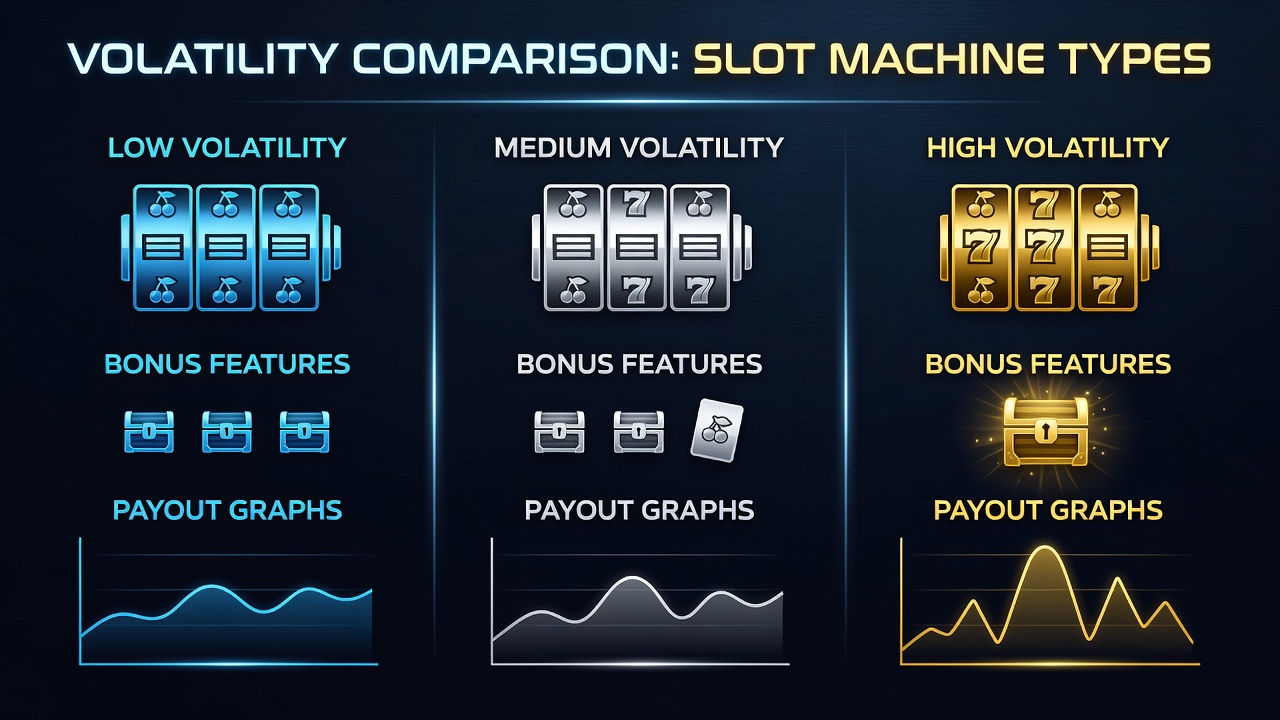
Comparing Volatility Across Popular Slots
Volatility serves as the primary lens for selecting games in a rotation. Low-volatility slots produce frequent but modest wins, making them ideal for building session momentum without rapid bankroll depletion. Medium-volatility games strike a middle ground, offering a mix of regular returns and occasional larger payouts that sustain interest over longer periods. High-volatility titles deliver infrequent yet substantial rewards, positioning them as the centerpiece for jackpot-focused segments of a multi-game session.
When building a rotation, consider how each volatility tier interacts with bonus features. Low-volatility games often include simple free-spin rounds that extend playtime, while high-volatility options may feature complex multipliers or pick-and-win bonuses that align with progressive triggers. Players should map their chosen titles along this spectrum to ensure smooth transitions between energy levels during the session.
Real Examples of Jackpot Triggers in Multi-Game Play
One documented pattern involves a player who began with 30 spins on a classic low-volatility slot, securing small wins to stabilize the bankroll. Transitioning to a medium-volatility adventure-themed game yielded two bonus rounds within 25 spins. The final switch to a high-volatility progressive network title triggered the jackpot feature after 45 spins, illustrating how prior rotation preserved capital for the higher-stakes portion.
Another example shows a session where three high-volatility progressives were alternated every 35 spins. The second game in the cycle activated a minor progressive after the player had already sampled the other two titles, demonstrating that spreading bets across multiple meters can increase the statistical window for a trigger event within the same overall play duration.
Bankroll Allocation Tips for 2026 Sessions
Effective allocation starts by dividing the total session bankroll into segments proportional to each game’s volatility. Allocate roughly 30 percent to low-volatility starters, 40 percent to medium-volatility core games, and 30 percent to high-volatility progressives. This distribution supports extended exploration while reserving resources for jackpot opportunities. Adjust percentages dynamically if a progressive meter accelerates significantly during the session.
Track spending in real time using casino-provided tools or simple spreadsheets. Reallocate unused portions from early games to later high-volatility selections only after confirming positive momentum indicators such as recent bonus activity.
2026 Trends Checklist
- Review new progressive network updates monthly to identify emerging jackpot opportunities
- Test mobile-optimized switching between games to ensure seamless transitions on tablets and phones
- Confirm bonus compatibility across titles before starting any rotation
- Monitor session length with built-in casino timers and personal alerts
- Track volatility shifts in newly released slots through community analytics
- Incorporate responsible gambling limits as standard session parameters
Risk Management Strategies
Beyond basic allocation, incorporate stop-loss and cool-down protocols. Set a maximum loss threshold for the entire session and individual game segments. If a title shows prolonged cold streaks beyond the planned spin count, move on immediately rather than increasing bets. Schedule brief pauses between rotations to reassess emotional state and avoid impulsive decisions.
Common Pitfalls and How to Avoid Them
Common errors include ignoring bonus wagering requirements when switching titles or extending sessions past planned limits in pursuit of a single trigger. Always verify terms for each game in advance. Another frequent issue is failing to reset expectations between volatility tiers, leading to frustration during natural dry spells on high-volatility titles. Structured checklists and pre-session planning mitigate these risks effectively.
Frequently Asked Questions
How long should a multi-game session last?
Most structured approaches recommend 60 to 120 minutes to balance meaningful rotation with sustained concentration and responsible play habits.
Are bonuses compatible when switching slots?
Compatibility varies by promotion. Review each bonus’s eligible games list and wagering contribution rates before incorporating multiple titles into one session.
Does multi-game play increase jackpot odds?
While the random number generator remains unchanged, increased betting volume across linked progressives widens the window for potential triggers within a fixed time frame.
What tools help track multi-game sessions?
Many platforms offer built-in session history and meter displays. Third-party tracking apps can supplement these with custom volatility notes and spin counters.
How does volatility affect rotation order?
Starting with lower volatility games preserves bankroll for later high-volatility selections, creating a logical progression that maximizes exposure when jackpot meters are favorable.
Responsible play remains essential. Visit Begambleaware for tools and support. Additional guidance is available at Gamblers Anonymous.
Conclusion
Multi-game sessions represent a strategic evolution in online slots play for 2026. Through deliberate switching techniques, thoughtful volatility comparisons, realistic examples, and disciplined bankroll practices, players can enhance both enjoyment and opportunity while maintaining control. Implementing the outlined checklists and avoiding common pitfalls ensures these sessions remain productive and sustainable over time.


No comments yet. Be the first!