 GambleLore

Introduction to AI in Online Slots
Online slots remain one of the most popular forms of digital entertainment, yet many players seek data-driven methods to improve their experience. In 2026, AI-driven platforms are transforming how enthusiasts approach games by providing insights into return-to-player (RTP) percentages, volatility levels, and bonus trigger patterns. This guide explores practical ways to leverage these tools for informed decision-making among slot machines and progressive jackpots. AI does not guarantee wins but offers analytical edges through pattern recognition and predictive modeling. Players can now process vast datasets that were previously inaccessible manually, turning raw game statistics into actionable recommendations.
The appeal lies in personalization. Rather than relying on generic advice, users receive tailored reports based on their preferred games, bet sizes, and session lengths. This shift aligns with broader technological trends where machine learning enhances recreational activities across industries.
Understanding Key Metrics: RTP, Volatility, and Bonus Triggers
Return-to-player (RTP) indicates the theoretical percentage a slot returns over time. For instance, a game with 96% RTP theoretically returns $96 for every $100 wagered across millions of spins. Volatility measures risk level, with high-volatility games offering larger but less frequent payouts while low-volatility options provide steadier, smaller wins. Bonus triggers refer to the frequency and conditions for activating special features like free spins or multipliers.
AI tools scrape and analyze public game data from licensed operators to generate reports. Users input game titles, and the platform outputs visualizations comparing metrics across hundreds of titles. Real-world application involves tracking how these metrics interact during live sessions, helping players decide when to increase stakes or switch games.
Step-by-Step Setup of Popular AI Tools
Begin by selecting reputable AI platforms focused on gambling analytics. Register with an email and verify your account. Next, connect the tool to your preferred casino via API if available, or manually upload session data for deeper analysis.
- Install the mobile or desktop app from the official site and complete profile setup including preferred game genres.
- Grant permissions for data import from game history while reviewing privacy settings carefully.
- Run an initial scan on 10-20 slot titles to build a baseline model that learns your playing style.
- Customize alerts for high-RTP games with medium volatility and set thresholds for bonus frequency.
- Review weekly reports on bonus frequency trends and adjust parameters based on recent performance.
- Enable cross-device syncing to maintain continuity between desktop research and mobile play.
Integration typically takes under 15 minutes for most users, though advanced features like custom algorithm training may require additional configuration time.
AI Predictions Versus Manual Strategies
Traditional manual approaches rely on intuition and bankroll management. AI systems, by contrast, apply machine learning to historical spin outcomes and RNG behavior reports. Comparisons show AI identifying subtle volatility shifts that manual tracking often misses, though human oversight remains essential for emotional control during losing streaks.
One key difference lies in speed: AI evaluates thousands of simulated spins in seconds, while manual methods require days of play. Pros of AI include objective data handling and pattern detection at scale. Cons involve potential over-reliance on historical data that may not reflect future RNG outcomes. A balanced approach combines both, using AI for initial filtering and personal judgment for final decisions.
Analyzing Progressive Jackpots with AI
Progressive jackpots add another layer of complexity because their growing prize pools influence optimal play timing. AI tools monitor jackpot growth rates across networks and flag when a game reaches a theoretical breakeven point based on contribution percentages. Players can set custom alerts that notify them when a jackpot exceeds a calculated value relative to its base RTP.
For example, one user configured alerts for three major progressives and received a notification during a period of rapid growth, leading to a focused session on that title. This method requires understanding seed amounts and increment rates, which AI platforms simplify through automated calculations.
Case Studies of Real Wins Using AI Assistance
Consider a player who used AI to filter progressive jackpot slots. The tool flagged a game with rising bonus activity and favorable volatility alignment, leading to a notable win during a two-hour session. Another example involves mobile users who adjusted bet sizes based on AI volatility forecasts, resulting in steadier session lengths and reduced emotional swings.
A third case study highlights a group of players who shared anonymized data within an AI community feature. Collective analysis revealed seasonal bonus patterns on specific titles, allowing members to time their play during peak probability windows. These cases highlight how AI supports rather than replaces player judgment while providing concrete examples of improved session management.
Mobile Play Integration
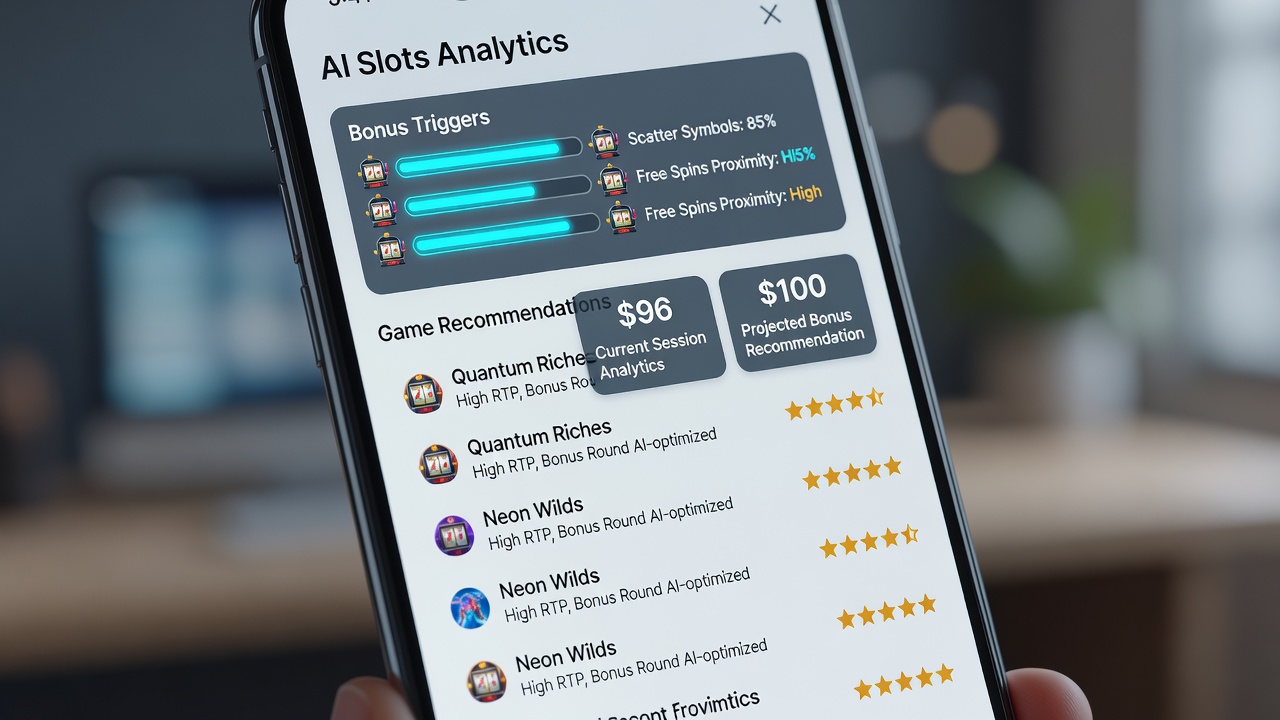
Most AI tools offer dedicated apps compatible with iOS and Android. Real-time dashboards sync across devices, allowing players to check metrics while commuting or during short breaks. Push notifications alert users when a favorite slot's bonus probability exceeds personal thresholds, and offline mode caches previous reports for review without internet access.
Advanced integrations include biometric login for quick access and widget support for home-screen metric glances. This mobility ensures that data insights remain available whether playing at home or on the go.
Common Mistakes to Avoid
- Overlooking data privacy settings when connecting accounts to AI platforms.
- Ignoring the random nature of outcomes and treating predictions as certainties.
- Failing to update tool parameters after major game software patches.
- Neglecting to combine AI insights with strict personal spending limits.
Responsible Use and Accuracy Considerations
Always cross-reference AI suggestions with official game rules published by operators. Accuracy improves with larger datasets, yet no tool predicts individual spins due to random number generators. Begambleaware provides resources for maintaining healthy play habits. Players should also consult Gambling Commission guidelines for licensed environments.
Frequently Asked Questions
How accurate are AI slot predictions in 2026?
Accuracy depends on data volume and algorithm updates. Most platforms report 70-85% alignment with observed trends when analyzing public RTP data, though individual results vary.
What costs are involved?
Many tools operate on subscription models. Users should review current plans directly on provider sites, as pricing changes frequently.
Can AI tools be used with any casino?
Compatibility varies. Focus on platforms supporting major licensed operators for seamless data imports and reliable metric sourcing.
Do AI tools work on progressive jackpots specifically?
Yes, many include dedicated modules for tracking growing prize pools and estimating optimal entry points based on contribution rates.
How does mobile integration affect accuracy?
Mobile versions maintain the same analytical core as desktop editions, with added convenience features that do not compromise data quality.
Conclusion
AI tools empower players with deeper insights into online slots without altering core game randomness. By combining analytical outputs with disciplined bankroll practices and resources like Responsible Gambling Council, participants can enjoy more informed sessions in 2026. Experiment with one tool at a time to discover what fits your style best while prioritizing enjoyment and control.


No comments yet. Be the first!