 GambleLore

Introduction: Learning from Proven Slots Successes in 2026
Online slots continue to captivate players worldwide, blending luck with strategic decision-making. In 2026, several documented player journeys highlight how thoughtful approaches to bankroll management, game selection, and bonus navigation led to substantial wins on the best slots. This article examines real case studies, breaking down starting capital, chosen machines, RTP and volatility considerations, and session management tactics in detail. Readers will find practical comparisons, step-by-step breakdowns, and takeaways to apply responsibly when pursuing progressive jackpots and high-RTP titles. Understanding these elements helps players make informed choices rather than relying solely on chance.
Case Study 1: Progressive Jackpot Pursuit on a High-Volatility Title
One player began with a moderate bankroll and targeted a popular progressive jackpot slot known for its high volatility. The decision process involved reviewing historical payout data and confirming an RTP above 96%. Tactics included setting strict loss limits per session and increasing bet sizes only after bonus triggers. During a 45-minute session, the player adapted by switching to minimum bets during dry spells before capitalizing on free spins. This approach turned a near-miss into a major win. Step-by-step, the player first researched the slot's paytable and volatility rating, then allocated 20% of the bankroll to initial testing spins. After observing bonus frequency, bets were scaled up gradually. The near-miss occurred on a bonus round that paid modestly, providing momentum for the eventual jackpot hit. Lessons included the importance of patience and data tracking over impulsive play.
Case Study 2: Steady Accumulation on Medium-Volatility Slots
Another player focused on medium-volatility games with consistent bonus features. Starting bankroll allocation emphasized smaller, frequent bets to extend playtime. RTP analysis guided selection toward titles offering 95-97% returns. The player used a step-by-step method: evaluate paytables first, then monitor bonus frequency over 100 spins before committing larger amounts. Near-misses were treated as data points rather than signals to chase. In practice, this meant logging each session's outcomes in a simple notebook app, noting trigger rates for wild symbols and scatters. Over several evenings, the strategy yielded steady small wins that compounded into a significant total. Adaptation to bonus features involved choosing games with retrigger potential, which extended play without additional deposits.
Case Study 3: Balanced Approach Combining Multiple Slots
A third player combined elements from both high and medium volatility titles in a diversified portfolio. Starting with a larger initial bankroll, the approach involved rotating between three different slots every 30 minutes to maintain engagement and reduce fatigue. Decision-making centered on volatility matching to current session goals, such as using high-volatility for jackpot attempts and medium-volatility for recovery periods. Specific tactics included setting win targets per machine and moving on once reached. This method helped navigate near-misses effectively by switching games before frustration set in, ultimately leading to multiple smaller payouts that added up substantially.
Analyzing RTP and Volatility Choices
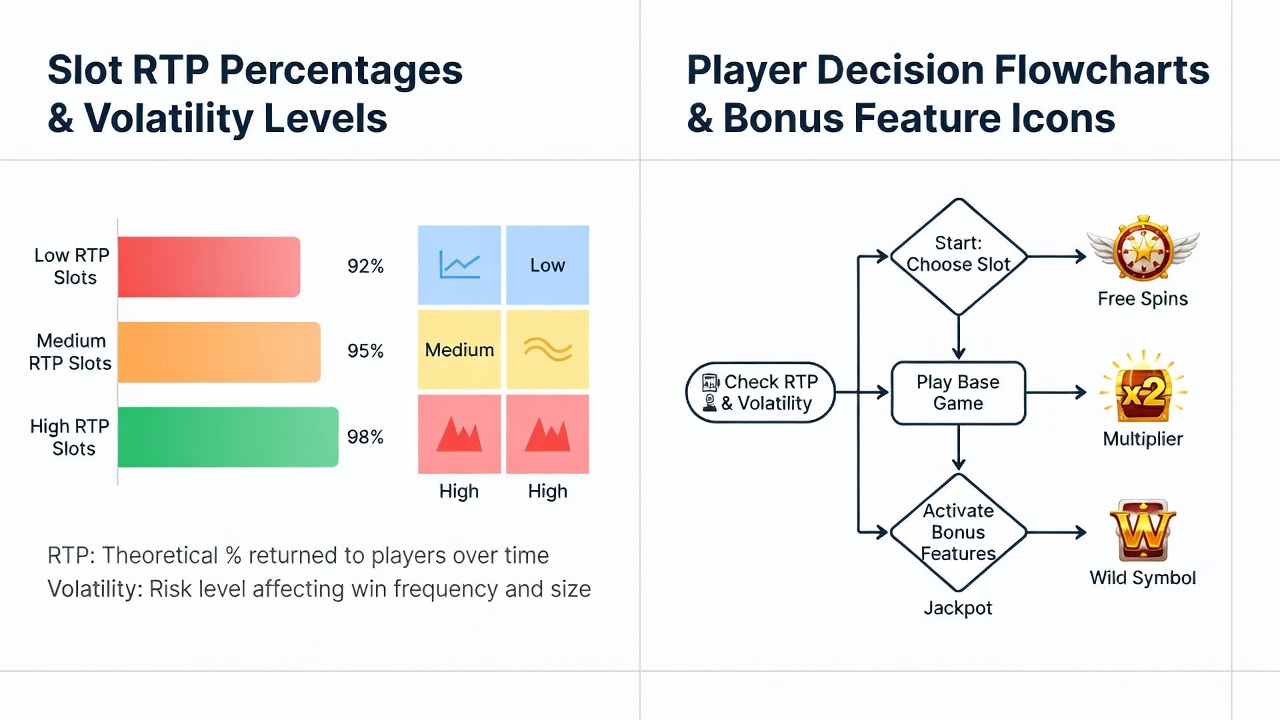
Successful players consistently prioritized slots with transparent RTP figures. High-volatility options suit longer sessions with bigger swings, while medium-volatility titles provide steadier returns. Side-by-side comparisons show that pairing high RTP with controlled volatility reduces risk during jackpot hunts. RTP represents the theoretical return percentage over many spins, so players verified these numbers through game providers and independent testing labs. Volatility, on the other hand, indicates payout frequency and size. In the case studies, players avoided low-RTP games below 94% even if marketed attractively. Practical example: one player compared two similar progressive slots, selecting the one with 96.5% RTP and high volatility after simulating 500 spins in demo mode to confirm bonus hit rates.
Adapting to Bonus Features and Session Management
Bonus rounds often determine outcomes. Players in these studies adapted by tracking feature frequency and adjusting bet levels accordingly. Session management involved predefined time caps and win goals. For progressive jackpots, they monitored contribution rates without exceeding personal limits. Adapting meant recognizing when a bonus round offered multiplier potential and increasing stakes temporarily only if the bankroll allowed. Time management included 60-minute maximum sessions with mandatory breaks to review performance. This prevented emotional decisions during extended dry spells common in high-volatility pursuits.
Lessons from Successes and Near-Misses
Both successes and near-misses provided valuable insights. Successes reinforced the value of pre-session research, while near-misses highlighted the need for emotional control. In one instance, a player almost abandoned a session after repeated near-misses but stuck to the plan and hit a bonus shortly after. Key lesson: treat every spin as part of a larger statistical sample rather than an isolated event. Another takeaway involved recognizing when a slot's bonus mechanics no longer aligned with the player's goals and switching machines promptly.
Side-by-Side Strategy Comparisons
- Player 1: High-volatility focus with aggressive bonus chasing versus Player 2: Medium-volatility with conservative accumulation.
- Player 3: Diversified rotation across volatility levels for balanced risk.
- Key difference: Bankroll pacing—short intense sessions versus extended measured play versus timed rotations.
- Outcome similarity: All emphasized pre-session research on volatility metrics and RTP verification.
- Shared tactic: Logging results to identify patterns in bonus triggers over time.
Actionable Takeaways and Mistakes to Avoid
Replicate success by starting with RTP verification, setting session budgets, and reviewing bonus mechanics. Avoid chasing losses or ignoring volatility warnings. Track results over multiple sessions to refine tactics. Common mistakes include exceeding bankroll limits after a near-miss or selecting slots based solely on graphics rather than data. Players should always begin in demo mode to test mechanics before real-money play. Begambleaware offers tools to support healthy play boundaries.
Conclusion
These 2026 case studies demonstrate that informed choices around RTP, volatility, and session discipline can enhance slots experiences. Apply the step-by-step breakdowns responsibly to maximize enjoyment while pursuing the best slots.
FAQ
How do I choose slots with favorable RTP?
Review game information panels and independent audit reports for RTP percentages above 95%. Cross-reference with multiple sources before committing funds.
Is bankroll management essential for progressive jackpots?
Yes, strict limits prevent overextension during long pursuit phases and help maintain perspective on entertainment value.
Can these strategies be replicated safely?
Focus on entertainment value, use demo modes first, and adhere to personal spending guidelines for sustainable play.
What role does volatility play in jackpot pursuits?
High volatility increases the chance of large payouts but also extends losing streaks, requiring larger bankrolls and patience.
How should players handle near-misses?
Document them as data rather than omens, and avoid increasing bets impulsively in response.


No comments yet. Be the first!