 GambleLore
Introduction to Session Management in Online Slots
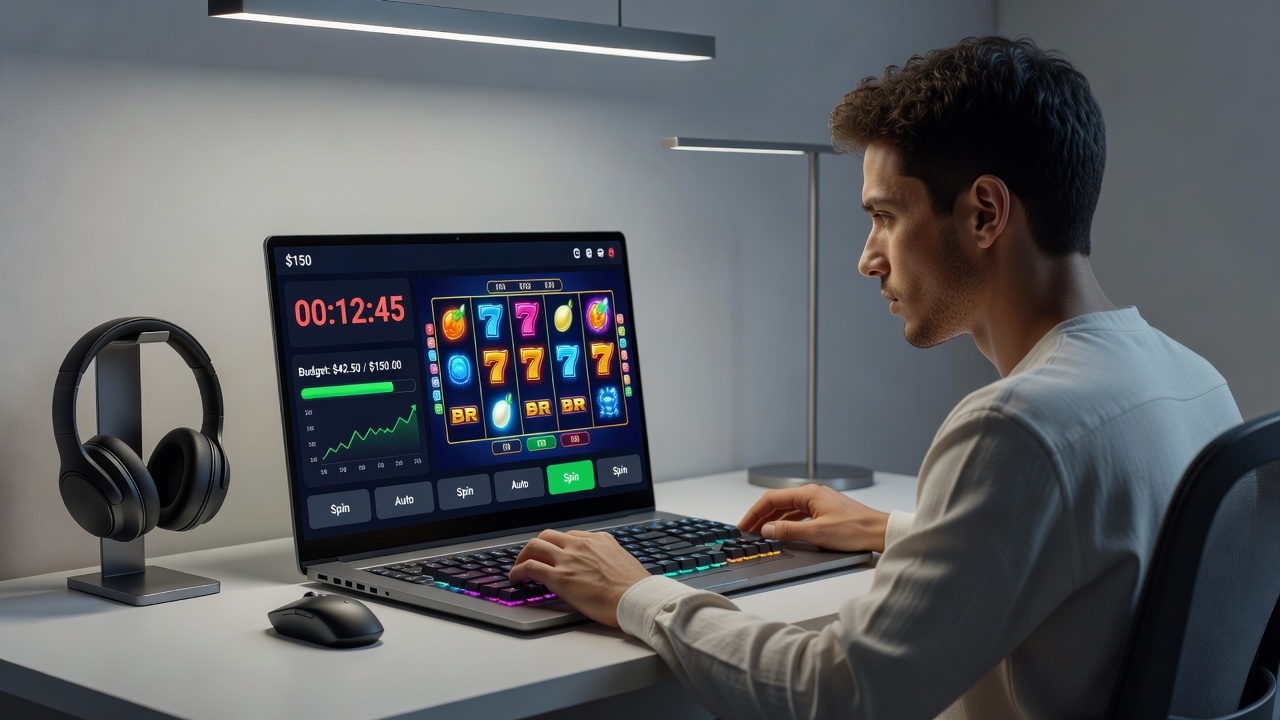
Effective session management is essential for players who want sustainable enjoyment from online slots in 2026. Without clear boundaries, sessions can quickly extend beyond intended time and budget, leading to diminished focus and unnecessary losses. This guide provides practical techniques to control your play, including time limits, real-time tracking, and scheduled breaks. By adopting these methods, players can transform casual spinning into a disciplined activity that preserves both bankroll and mental clarity over the long term.
Why Session Control Matters for Long-Term Play
Online slots rely on random number generators, making each spin independent of the last. Extended play without structure often results in fatigue that impairs decision-making and increases the likelihood of chasing losses. Research from authoritative health sources highlights how prolonged screen time affects concentration and emotional regulation. World Health Organization guidelines on digital well-being emphasize the value of structured breaks to prevent burnout. Players who implement session management report higher satisfaction and better preservation of their bankroll over months of play, turning what could be an impulsive hobby into a controlled form of entertainment.
Setting Time and Budget Limits
Begin every session by defining strict parameters before logging into any platform. Choose a maximum duration such as 45 minutes and a spending cap based on disposable funds that will not impact essential expenses. Use built-in casino tools or external timers to enforce these rules automatically. Write the limits down in a notebook or digital note before starting to increase personal commitment and accountability. This preparatory step reduces the chance of extending play due to sudden wins or near-misses.
Step-by-Step Session Planning
- Review your overall monthly entertainment budget and allocate a specific portion for slots only.
- Select specific slots, noting volatility levels and features like progressive jackpots that may influence session length.
- Set a hard stop time and loss threshold that feels comfortable and non-negotiable.
- Prepare a tracking sheet or app for wins and losses to maintain real-time awareness.
- Schedule the first mandatory break at the 30-minute mark to reset focus.
- Identify any emotional triggers from previous sessions and plan responses in advance.
Tracking Wins and Losses in Real Time
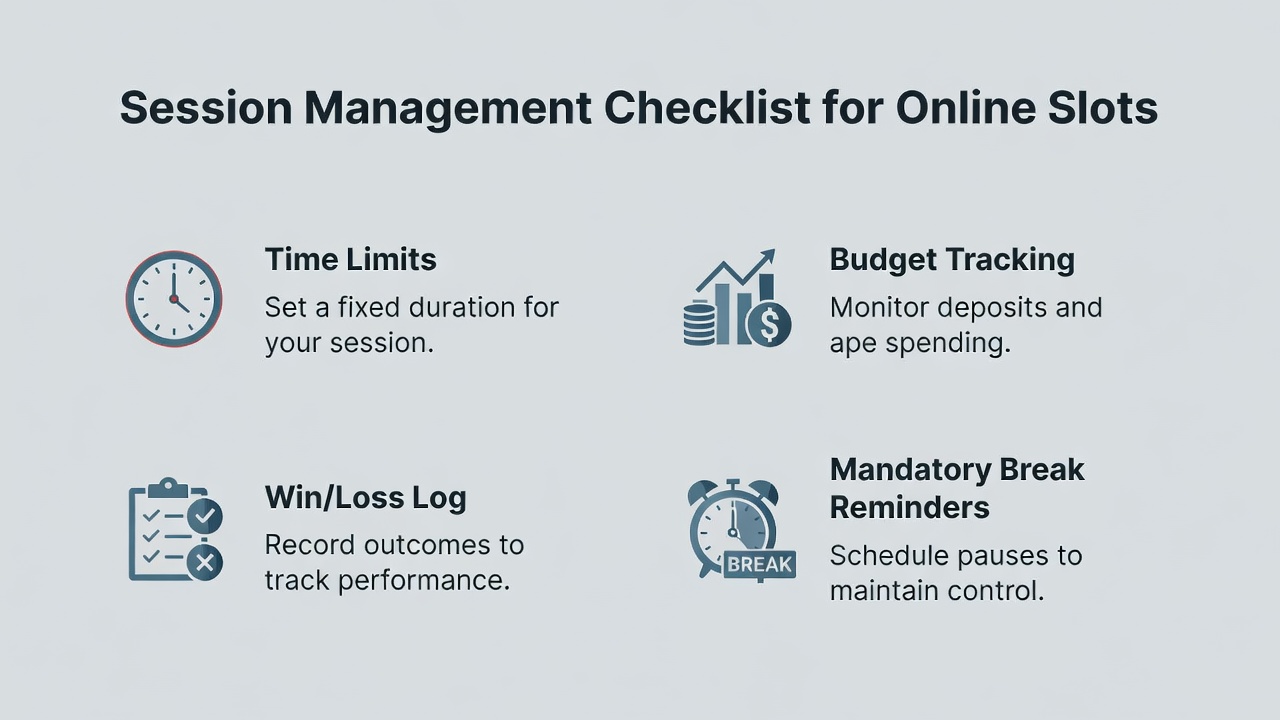
Maintain a simple log during play to stay grounded. Record starting balance, each significant win or loss, and current net position every 15 minutes. This habit prevents emotional chasing and provides immediate feedback on session health. Many successful players use spreadsheet templates or dedicated gambling apps for accurate records that can be reviewed later. Real-time tracking also helps identify patterns, such as whether certain games lead to faster spending than others.
Short Sessions vs Extended Play Sessions
Short sessions of 30-60 minutes allow players to maintain peak concentration and avoid the fatigue that sets in during longer periods. Extended sessions beyond two hours often lead to poorer choices as attention wanes and decision fatigue accumulates. Comparative analysis shows short, focused sessions yield more consistent results over time because they limit exposure to variance. Short sessions suit beginners testing new titles or players with limited time, while experienced individuals may handle longer blocks only when paired with strict break protocols and pre-set exit points. The key difference lies in recovery: short sessions allow immediate reflection, whereas extended ones require more rigorous monitoring to counteract declining performance.
Incorporating Mandatory Breaks Effectively
Breaks are not optional pauses but essential resets that restore mental sharpness. A 10- to 15-minute break every 30 to 45 minutes can include physical movement, hydration, or simple breathing exercises. During the break, step away from the screen entirely and avoid thinking about the game. This practice interrupts momentum that might otherwise push players past their limits and helps maintain objective perspective upon return.
Practical Examples Using Progressive Jackpots and Best Slots
Consider a popular progressive jackpot slot with high volatility. A disciplined player sets a 60-minute session and a $150 budget. After 35 minutes they achieve a moderate win, immediately log the result, and take a scheduled 15-minute break to evaluate whether to continue. This structure prevents overplaying during the excitement of a potential jackpot chase. Another example involves a medium-volatility slot favored for steady play: the player caps the session at 45 minutes and switches to a tracking app that alerts them when the time limit approaches. In both cases, the focus remains on process rather than outcome, leading to more sustainable engagement across multiple sessions.
Tools and Resources for Better Tracking
Beyond basic spreadsheets, players can explore casino-provided session history features or third-party apps designed for responsible play. These tools often include visual graphs of spending trends and automated reminders. Pairing technology with personal discipline creates a robust system that supports long-term adherence to limits.
Checklists for Effective Session Management
- Pre-session: Define exact time, budget, game choice, and emotional goals.
- During session: Log results every 15 minutes, enforce breaks, and monitor physical comfort.
- Post-session: Review net result, note emotional triggers, and adjust future plans accordingly.
- Weekly review: Assess total time spent and money used against monthly goals to identify trends.
- Monthly audit: Compare performance across different session lengths to refine strategies.
Common Pitfalls to Avoid
Many players skip breaks when on a winning streak or ignore loss limits after near-misses, believing the next spin will recover losses. Another frequent mistake is switching games mid-session without resetting limits, which disrupts the original plan. Overconfidence after a big win can also lead to extended play that erodes gains. Avoid these by treating your session plan as non-negotiable and reviewing it before every login. Discipline requires preparation and consistent execution rather than relying solely on willpower during heated moments.
Frequently Asked Questions
How long should an ideal online slots session last?
Most experts recommend 45-90 minutes to balance entertainment value with sustained focus and reduced fatigue risk.
What tools help with real-time tracking?
Simple spreadsheets, casino session history features, or specialized apps provide accurate, easy-to-review records for most players.
Can session management improve chances of winning progressive jackpots?
It improves sustainability and mental clarity during play, though individual outcomes remain governed by random number generation.
How do I handle the urge to continue after a loss?
Pre-commit to a clear stop-loss amount and physically walk away the moment it is reached, regardless of recent results.
Should breaks be the same length for every player?
Break duration can be personalized, but 10-15 minutes is generally sufficient for most adults to reset attention.
Conclusion
Session management transforms online slots from impulsive entertainment into a controlled, enjoyable activity. By planning limits in advance, tracking results continuously, incorporating mandatory breaks, and learning from both short and extended session comparisons, players protect their bankroll while maximizing long-term satisfaction. Apply these evidence-based strategies consistently throughout 2026 to develop stronger habits and more rewarding experiences overall.
Learn more about responsible gambling practices.
Explore additional gambling strategies for better results.


No comments yet. Be the first!