 GambleLore
Understanding 2026 Football Betting Odds
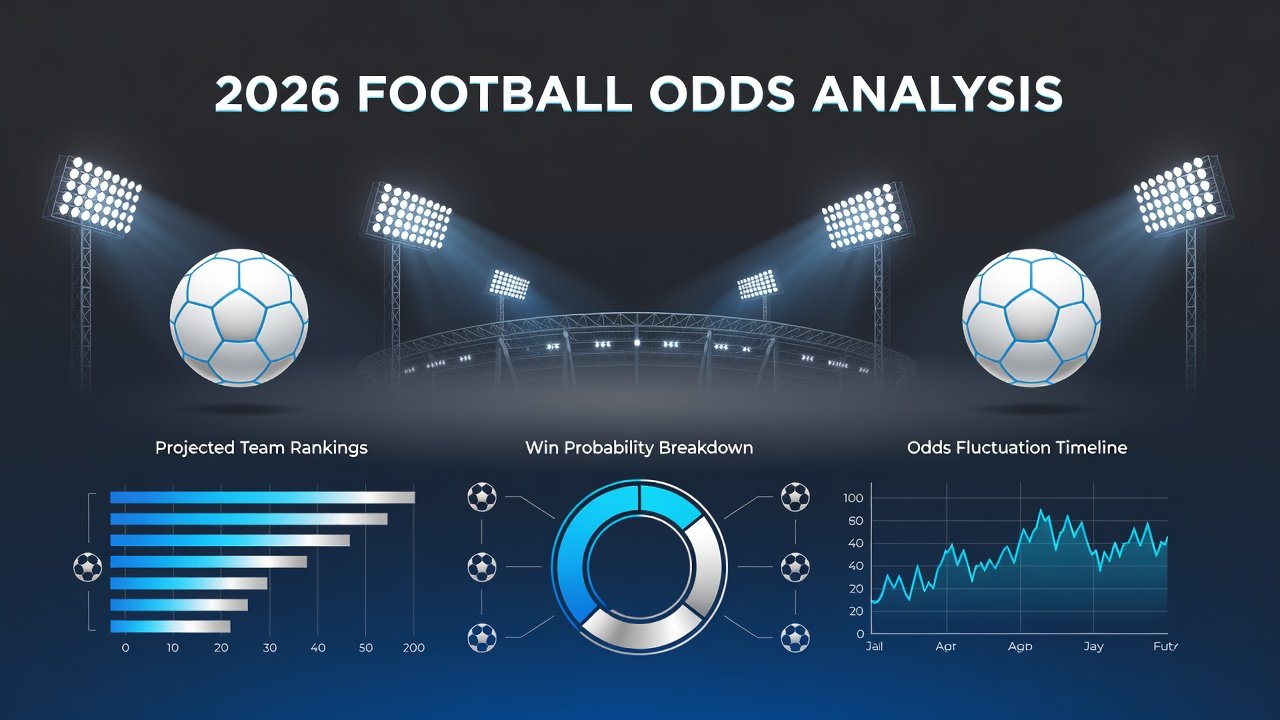
Football betting odds for 2026 reflect a complex mix of data points that go beyond surface-level stats. Bettors who focus on team form, historical head-to-head results, and market movements can identify value more consistently across major leagues like the Premier League, La Liga, and Bundesliga. This guide provides actionable research routines to evaluate upcoming matches effectively, helping readers develop habits that improve decision-making over an entire season.
Odds compilers incorporate thousands of variables, from squad depth to travel fatigue, but individual bettors can replicate much of this analysis through structured routines. By breaking down key drivers with concrete examples, this article equips readers to move past generic tips and into targeted research that highlights mispriced markets.
Analyzing Team Form for Value Bets
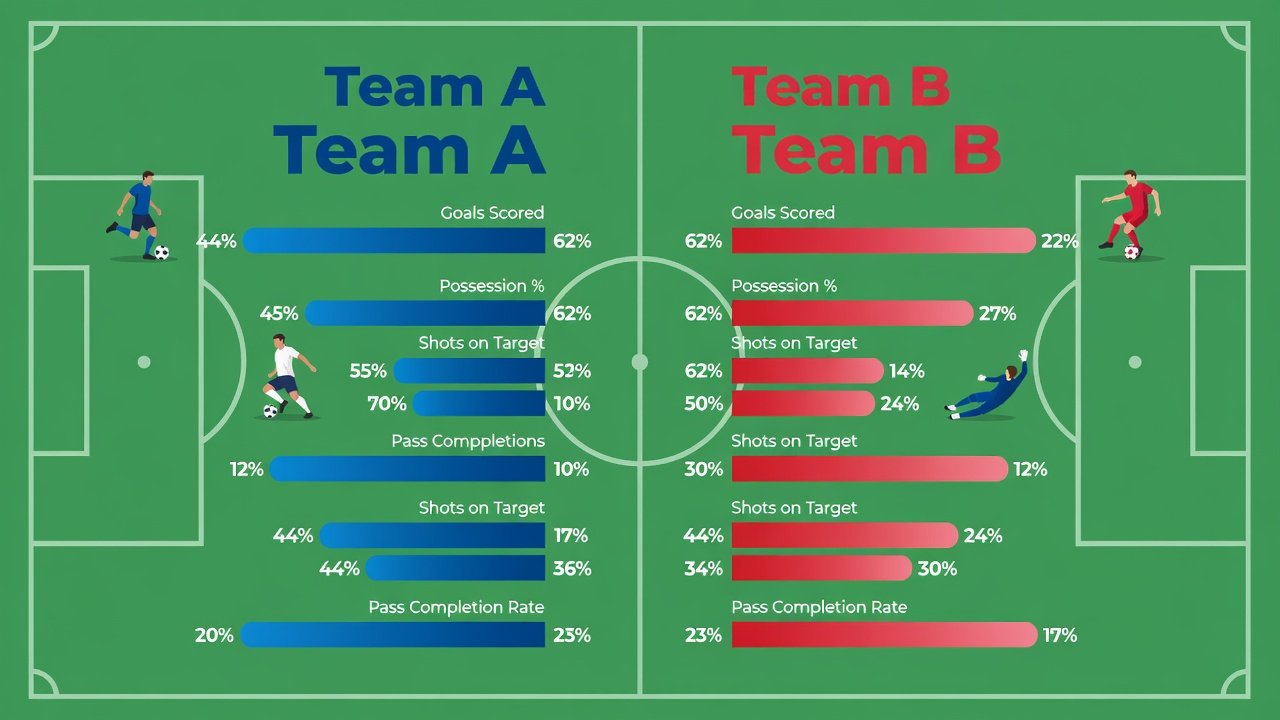
Current form serves as the foundation for assessing how a side might perform. Review the last six to eight matches, noting not just wins and losses but also goal difference, shots on target, and defensive organization. For example, a team on a five-match unbeaten run with strong expected goals metrics often outperforms its odds in home fixtures against mid-table opposition.
Break form into attacking and defensive components. A side scoring heavily but conceding frequently may suit over markets, while one with clean sheets and low shot volume favors under or draw bets. Home and away splits add another layer, as many teams show markedly different performances depending on venue. In the Bundesliga, for instance, historically strong home sides often see inflated odds when playing away against similarly ranked opponents.
Context matters greatly. A recent win against a top side carries more weight than one against a weakened opponent. Factor in rest days, midweek European fixtures, and weather conditions that could influence play style. Tracking these elements over multiple weeks reveals patterns that single-match analysis misses.
Leveraging Head-to-Head Data
Historical matchups reveal patterns that raw form can miss. Examine at least five previous encounters, focusing on goal totals, red cards, and performance in similar weather or venue conditions. Teams with a dominant record against a particular opponent frequently deliver value even when current form suggests otherwise.
Combine this with player availability. Key absences due to injury or suspension can alter expected outcomes dramatically, especially in high-stakes derbies. In La Liga, sides like Real Madrid have shown consistent dominance over certain rivals in recent seasons, creating repeatable betting angles when odds undervalue that history.
Expand the view to include referee tendencies and pitch dimensions. Some officials award more penalties or cards, which impacts both team and player prop markets. Venue-specific data, such as performance at a particular stadium, further refines predictions beyond broad league averages.
Tracking Market Movement and Line Shopping
Odds shift based on betting volume and sharp action. Monitor how lines move from opening to kickoff across multiple sportsbooks. Early movement often signals professional interest, while late steam can indicate public overreaction. Compare prices on the same market to secure the best value before committing.
Use free tools and alerts to track changes in real time. Focus on key markets like match winner, over/under goals, and Asian handicaps, as these tend to offer the most liquidity and clearest signals. In the Premier League, lines on high-profile matches can move several points within hours of team news, rewarding those who act quickly.
Step-by-Step Checklist for Evaluating Value
- Compile recent form data and expected goals from reliable sources, including splits for home, away, and against similar opposition styles.
- Review head-to-head trends and contextual factors like travel, rest days, and historical referee assignments.
- Assess market movement across at least three platforms, noting any sharp line shifts and their timing.
- Calculate implied probabilities from the best available odds and compare against your estimated true odds derived from the data.
- Only proceed if the offered odds exceed your calculated value threshold by at least 5%, and document the reasoning for future review.
- Consider bankroll allocation, limiting each wager to a small percentage to maintain long-term sustainability.
Quick Comparisons to NBA and Tennis Odds
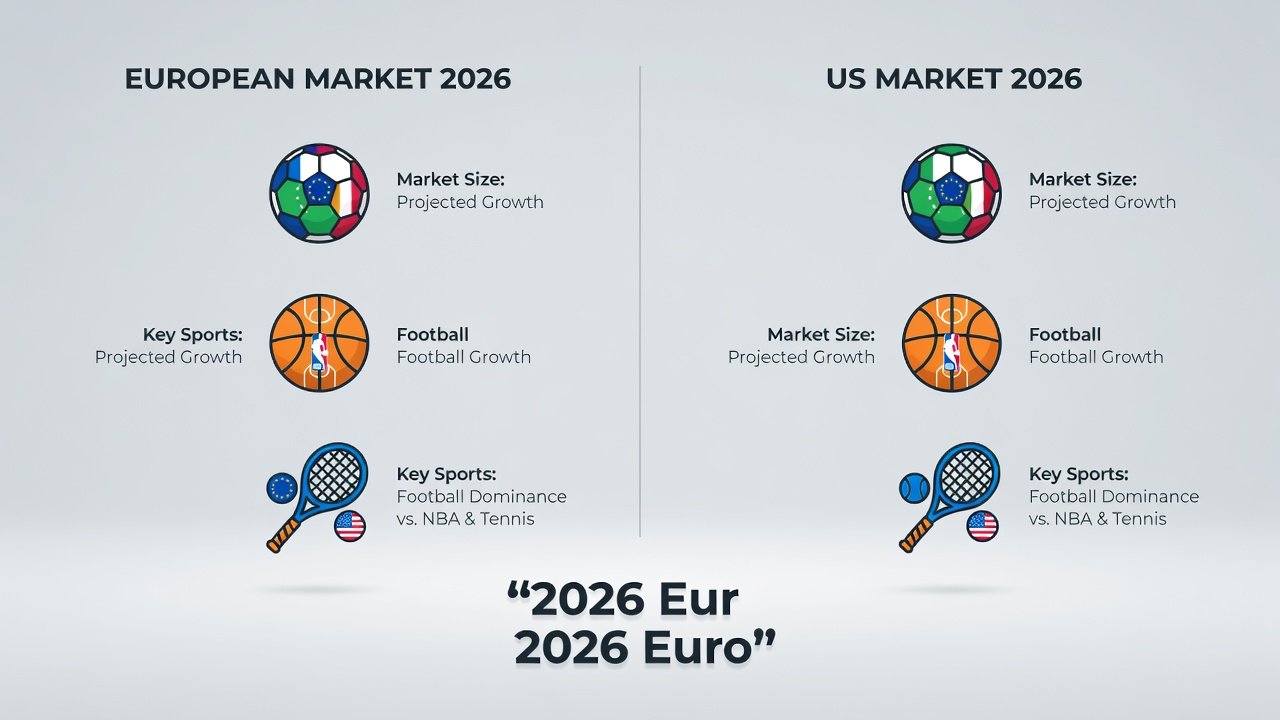
Football markets move slower than NBA odds, where injuries and back-to-backs cause rapid shifts within hours. NBA betting requires constant monitoring of lineup changes, whereas football trends develop over weeks and reward deeper seasonal analysis. Tennis odds react sharply to surface changes and player fatigue, offering fewer long-term trends than football's seasonal patterns but higher volatility on individual matches.
Football bettors benefit from deeper historical datasets but must account for lower scoring variance compared to basketball or tennis. This stability makes value identification more predictable when combining multiple factors, unlike the boom-or-bust nature of tennis sets or NBA quarters. Cross-sport awareness helps bettors avoid overapplying fast-moving market tactics to slower football lines.
Common Beginner Errors and How to Avoid Them
- Chasing recent wins without context leads to poor bankroll decisions and emotional betting.
- Ignoring line movement misses sharp signals from professional bettors who move markets early.
- Overvaluing league position instead of underlying metrics distorts true probability estimates.
- Failing to shop lines across books reduces potential returns over time and compounds small disadvantages.
- Neglecting player news or weather updates can turn an apparent value bet into a losing proposition.
- Betting every match instead of selective opportunities erodes bankrolls through variance.
Frequently Asked Questions on Avoiding Beginner Errors
How do I know if odds represent value?
Calculate your own probability based on form, head-to-head, and other factors, then compare it to the implied probability from the odds. If your estimate is higher, value exists.
Should I bet on every match with good form data?
No. Selectivity is key. Only wager when multiple factors align and the price offers clear edge after shopping lines.
What role does bankroll management play?
Consistent sizing prevents large swings. Limit stakes to 1-3% of total bankroll per bet to survive losing streaks common in football betting.
How often should I review past bets?
Weekly reviews help identify patterns in wins and losses, refining future checklists and preventing repeated mistakes.
Simple Template for Upcoming Matches
Apply this routine before each wager: Gather form and H2H data from league sites, note market trends using alerts, run the full value checklist including probability calculations, record your reasoning in a tracking sheet with expected and actual outcomes, and adjust future thresholds based on results. Repeat for every fixture to build consistent habits that improve long-term results across seasons.
Further reading is available at FIFA for official competition rules, at Premier League for detailed team statistics, at UEFA for European competition insights, and at LaLiga for Spanish league data and trends.

No comments yet. Be the first!