 GambleLore
Introduction to Arbitrage Betting in 2026 Sports Markets
Arbitrage betting, often called "arbing," involves placing wagers on all possible outcomes of an event across different bookmakers to guarantee a profit regardless of the result. In 2026, this strategy remains relevant in football, NBA, and tennis due to varying odds from global operators. This guide focuses on identifying and executing these opportunities under current market conditions as of mid-2026. Success requires speed, accurate calculations, and awareness of bookmaker restrictions. Unlike traditional betting, arbitrage eliminates outcome risk but introduces operational challenges such as account monitoring and timing pressures. Bettors who master these elements can create consistent small margins that compound over multiple events each week.
Understanding Arbitrage in Football, NBA, and Tennis
Football matches, NBA games, and tennis tournaments generate high betting volumes, leading to frequent odds discrepancies. For example, in a Premier League fixture, one bookmaker might offer higher odds on a draw while another prices the home win more favorably. Similar imbalances appear in NBA point spreads and tennis set betting. The core principle is to calculate implied probabilities from each set of odds and find combinations where the total is under 100%. This creates a locked-in margin that exists because bookmakers adjust lines at different speeds and with different risk models. In football, major European leagues produce the highest number of opportunities during weekends. NBA regular season games offer strong live betting arbs, while tennis grand slams and ATP events provide extended match durations that allow for in-play adjustments.
Identifying Arbitrage Opportunities Using Betting Odds
Traders monitor live odds across multiple platforms. Key indicators include sudden line movements after team news or during in-play action. In tennis, odds can shift rapidly during long rallies or tiebreaks. NBA live betting often reveals arbs in player props when one book adjusts slower than others. Focus on high-liquidity markets like match winners in football and tennis, or moneyline in NBA, as these attract the most bookmaker competition. Additional signals come from comparing pre-match odds with in-play prices, especially when a favorite underperforms early. Advanced users also track line history to spot patterns where certain bookmakers consistently lag behind the market.
Required Tools and Calculators
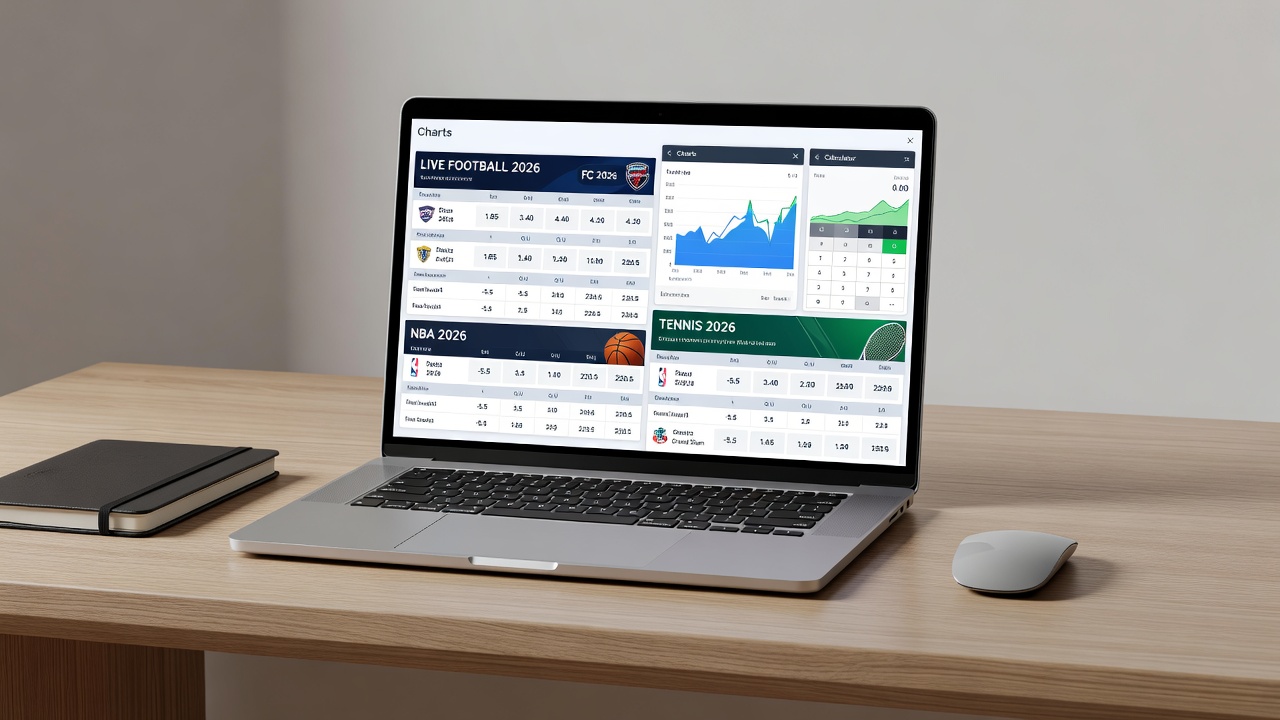
Essential resources include odds comparison websites and dedicated arbitrage calculators. These tools automatically scan dozens of bookmakers and flag profitable combinations. Users should also maintain accounts with at least five to ten reputable operators to access diverse pricing. Many calculators allow input of decimal odds and instantly show required stake allocations for equalized returns. Popular free and paid options integrate browser extensions that highlight arbs in real time. Spreadsheet templates can also be customized for manual verification when automated tools miss niche tennis or NBA prop markets.
Step-by-Step Execution Process
- Scan for discrepancies using comparison software and note the best available odds for each outcome.
- Verify that the quoted odds remain live on each bookmaker website before committing funds.
- Calculate stake sizes using an arbitrage calculator to ensure the total return exceeds the combined stake across all selections.
- Place all bets in rapid succession, starting with the largest stake to minimize exposure if lines move.
- Confirm each wager receipt and monitor the event until settlement without placing additional conflicting bets.
Timing is critical; opportunities in live NBA or tennis markets can disappear within seconds of appearing.
Real-World Examples from 2026 Markets
Consider a football match where Bookmaker A offers 2.10 on the home win, Bookmaker B offers 3.50 on the draw, and Bookmaker C offers 4.00 on the away win. The combined implied probability may fall below 100%, creating an arb with a small guaranteed margin. In NBA, similar calculations apply to quarter totals or player performance props when one operator offers an outlier price on points scored. Tennis examples often arise in best-of-five set matches where set-by-set odds diverge between operators during a long fifth set. These scenarios demonstrate how even modest discrepancies of 2-4% can produce reliable profits when scaled across multiple daily events.

Risk Factors Including Account Limitations
Bookmakers actively monitor for arbitrage activity and may limit or close accounts suspected of systematic arbing. Other risks include odds changing mid-placement and delays in bet acceptance during high-volume periods. To mitigate, rotate between multiple accounts, avoid excessive volume on single events, and diversify across sports. Always comply with each operator's terms. Additional risks involve currency conversion fees when using international bookmakers and potential tax implications depending on jurisdiction. Regular account activity that mimics recreational betting patterns helps reduce detection rates over time.
Practical Calculations and Stake Management
Arbitrage calculators simplify the math. Input the best available odds for each outcome, and the tool outputs exact stake amounts needed on each selection. This ensures the profit margin remains consistent even when odds vary slightly across events. For instance, with three outcomes totaling 97% implied probability, stakes are allocated proportionally so the winning return always covers the total outlay plus profit. Users should practice these calculations on paper before using real funds to build speed and accuracy.
Best Practices for Consistent Results in 2026
Maintain detailed records of every arb executed, including the sports, bookmakers used, and margins achieved. This data helps identify which markets and operators produce the most reliable opportunities. Limit daily exposure to no more than 5% of total bankroll to manage variance from account restrictions. Combine arbitrage with careful bankroll segmentation so that funds are spread across unrelated events. Regular review of bookmaker terms updates ensures continued compliance as policies evolve throughout the year.
FAQ
Is arbitrage betting legal in 2026?
Arbitrage itself is legal in most jurisdictions, though individual bookmaker terms may prohibit it. Always review local regulations and operator rules before participating.
How much capital is needed to start?
Beginners can start with modest bankrolls, scaling up as experience grows. Focus first on accuracy rather than volume to build sustainable habits.
Which sport offers the most arbs?
Football and tennis typically provide steady opportunities due to global coverage, while NBA live markets can yield quick in-play arbs during peak season.
Can beginners succeed?
Yes, with disciplined use of tools and careful account management, new bettors can learn the process effectively within a few weeks of consistent practice.
How do I avoid account limitations?
Spread bets across many bookmakers, vary stake sizes, and mix arbitrage with occasional recreational bets to maintain normal betting patterns.
Conclusion
Arbitrage opportunities in football, NBA, and tennis odds continue to exist in 2026 for those equipped with the right tools and approach. By understanding identification methods, execution steps, and risk mitigation, bettors can pursue low-risk profits while navigating bookmaker limitations. Consistent practice and adherence to responsible practices maximize long-term viability. For official guidance on gambling, visit Gambling Commission. Additional sports data is available at FIFA, NBA, and ATP Tour.


No comments yet. Be the first!