 GambleLore
Introduction to Hedging in Sports Betting
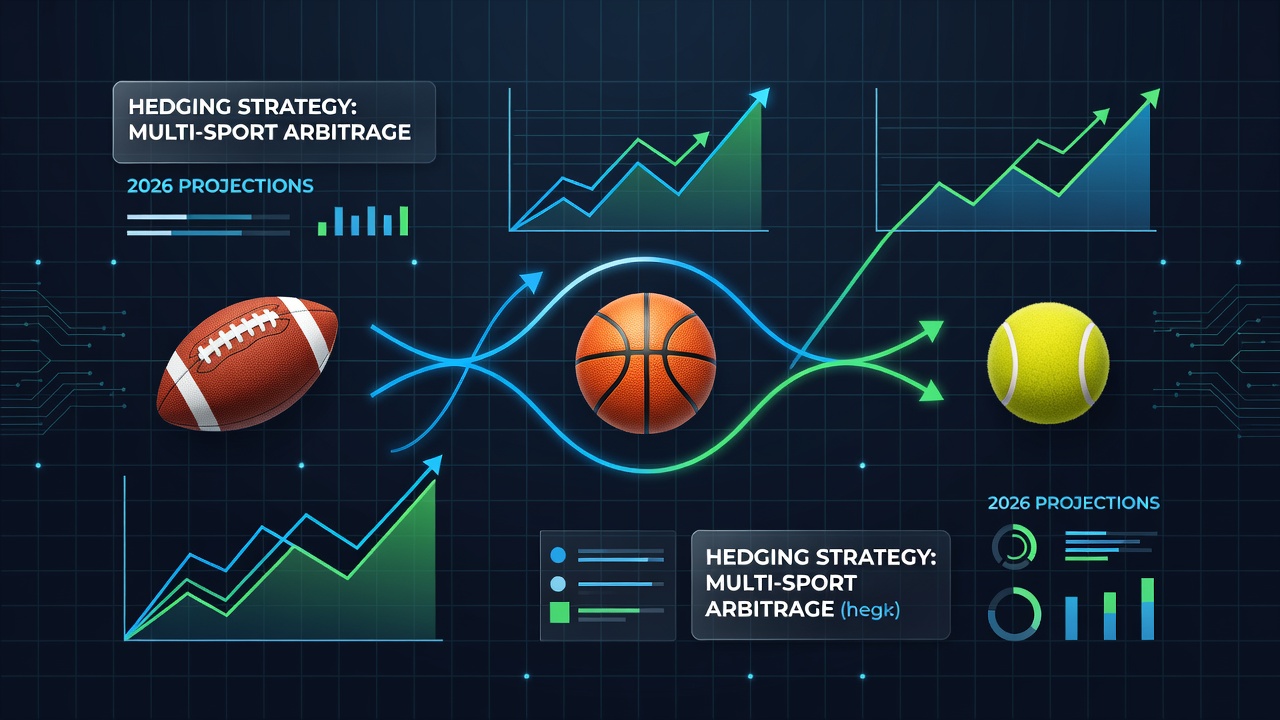
Hedging is an advanced risk-management technique that allows bettors to lock in profits or minimize losses by placing additional wagers on the opposite outcome. In 2026, with evolving odds across major sportsbooks, hedging remains essential for disciplined bettors focused on long-term bankroll protection rather than chasing maximum returns. This approach transforms uncertain outcomes into more predictable results by strategically balancing positions across multiple bets.
This guide explores practical hedging applications for football, NBA, and tennis, using realistic 2026-season scenarios. Readers will learn when to hedge, how to calculate the right stake, and how effectiveness varies by sport. The content also covers mathematical foundations, live versus pre-match decisions, and common mistakes that can erode potential gains.
What Is Hedging and Why Use It?
Hedging involves taking a position that offsets an existing bet. Instead of hoping your original wager wins outright, you place a counter-bet to guarantee a smaller but certain profit or limit downside. The strategy shines when odds shift dramatically after your initial bet or when you want to secure gains before an event concludes. Bettors often turn to hedging during high-stakes tournaments where momentum can swing quickly.
Key benefits include reduced variance and emotional decision-making. However, hedging always reduces potential upside, so it suits conservative bettors or those protecting large positions. It is particularly valuable in volatile markets where unexpected events like injuries or weather changes can alter results instantly.
Mathematical Foundations of Hedging Calculations
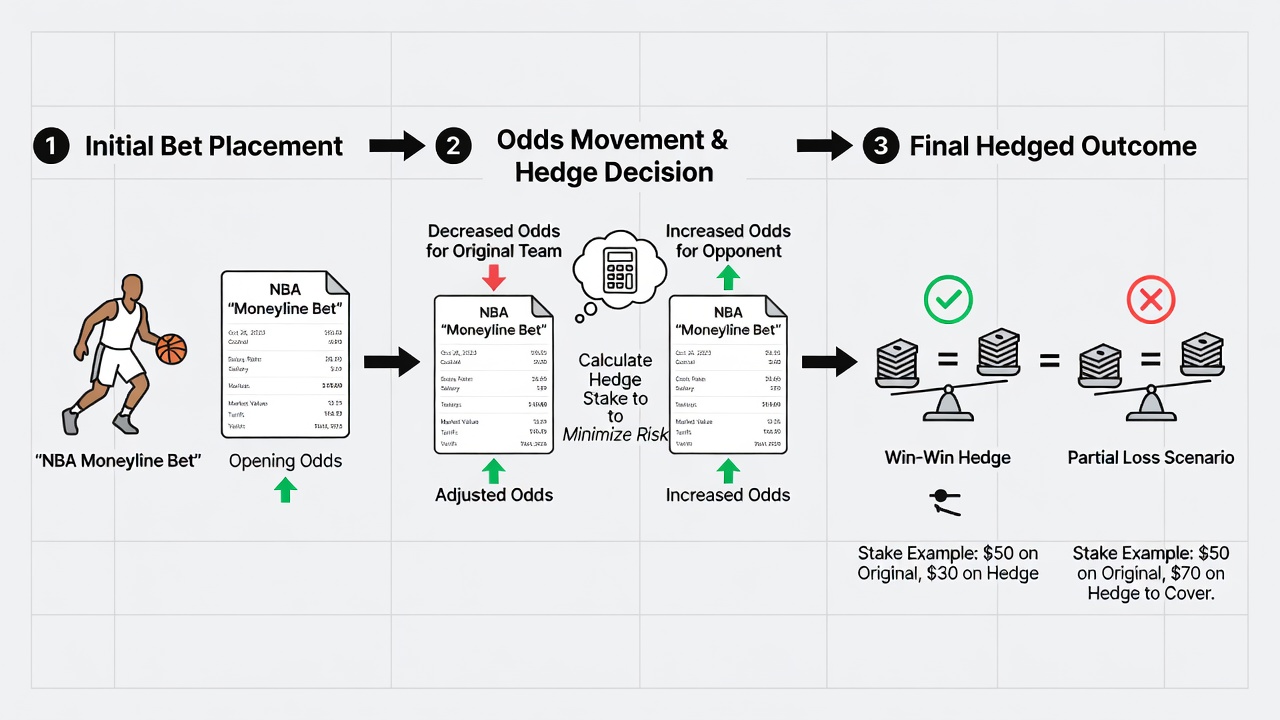
Successful hedging starts with accurate stake calculations. The basic formula balances the original stake and odds against the hedge bet to achieve a target profit. Bettors should always use current decimal or American odds and factor in any implied margins. A simple step-by-step process includes determining the desired locked profit, identifying the opposing odds, and solving for the exact hedge amount.
Practical example for any sport: Suppose you hold a bet on outcome A. After odds move, you calculate the hedge on outcome B so that both paths yield the same return. This method prevents over-hedging that could turn a winning position into a loss.
Hedging Football Bets in 2026
Football offers numerous hedging opportunities because matches span 90 minutes plus stoppage time and in-play odds fluctuate constantly. Consider a pre-match bet on a Premier League team. If that team takes an early lead, live odds on the draw or opponent may lengthen, creating a profitable hedge opportunity during the second half.
Step-by-step example: You stake on Team A to win. At halftime, Team A leads and their win odds drop. You calculate the hedge stake needed on the draw or opponent to guarantee a fixed return regardless of the final result. Additional scenarios include hedging accumulators when one leg is already secured and using Asian handicap markets for finer control over outcomes.
Live hedging after goals is especially effective in low-scoring leagues. Bettors should monitor injury updates and tactical shifts that influence live odds movements throughout the 2026 campaign.
Hedging NBA Bets in 2026
NBA games feature high-scoring, back-and-forth action that makes live hedging especially dynamic. Moneyline and player-prop markets move rapidly with each quarter, offering multiple entry points for protective bets.
Real-world 2026 example: You bet on the home favorite before tip-off. After three quarters the favorite leads by a narrow margin and the underdog’s live moneyline rises. A calculated hedge on the underdog can lock in profit while removing the risk of a late collapse. Another approach involves hedging player performance props when a star player exits early due to foul trouble.
Because NBA contests contain four distinct quarters, bettors often hedge after the third quarter when line movements are most predictable. Over/under totals also provide excellent hedging targets when pace changes dramatically in the fourth quarter.
Hedging Tennis Bets in 2026
Tennis provides clean, binary outcomes (match winner) and set-by-set markets ideal for progressive hedging. Odds shift after every game, especially on serve breaks, allowing precise timing for counter bets.
Scenario: You back Player A in a Grand Slam match. After losing the first set, Player A’s odds drift. A hedge on Player B at the new price can guarantee a modest profit while protecting against a straight-sets defeat. In best-of-five formats, staged hedging after each set minimizes exposure while preserving upside if the favorite recovers.
Live set betting markets add another layer, enabling bettors to hedge individual sets rather than the entire match for greater flexibility during long rallies and tiebreaks.
Comparing Hedging Effectiveness Across Sports
Effectiveness depends on scoring frequency, match duration, and market liquidity. A detailed comparison reveals clear differences:
- Football: Highest volatility due to low-scoring nature; hedging most effective in-play after goals or red cards. Requires fast decisions because momentum rarely reverses quickly.
- NBA: Frequent scoring creates steady odds movement; ideal for quarter-by-quarter hedging. Multiple prop markets increase opportunities but also raise complexity.
- Tennis: Cleanest math because of set structure; easiest to calculate exact hedge stakes. Slower pace between points allows thorough analysis before placing the counter bet.
Overall, tennis offers the most precise hedging opportunities, followed by NBA, with football requiring quicker decisions because of its stop-start flow. Bettors should test each sport with small positions before committing larger bankroll allocations.
When to Hedge for Maximum Profit Protection
Hedge when your original bet is in profit but live odds offer positive expected value on the opposing side, when the remaining variance is too high for your risk tolerance, or when you need to free up bankroll for other wagers. Timing is critical—hedge too early and you sacrifice value; hedge too late and the window may close.
Avoid hedging when the original bet still offers superior value or when the hedge odds are inefficient due to bookmaker margins. Always compare implied probabilities across multiple sportsbooks before executing.
Bankroll Management and Tools for Hedging
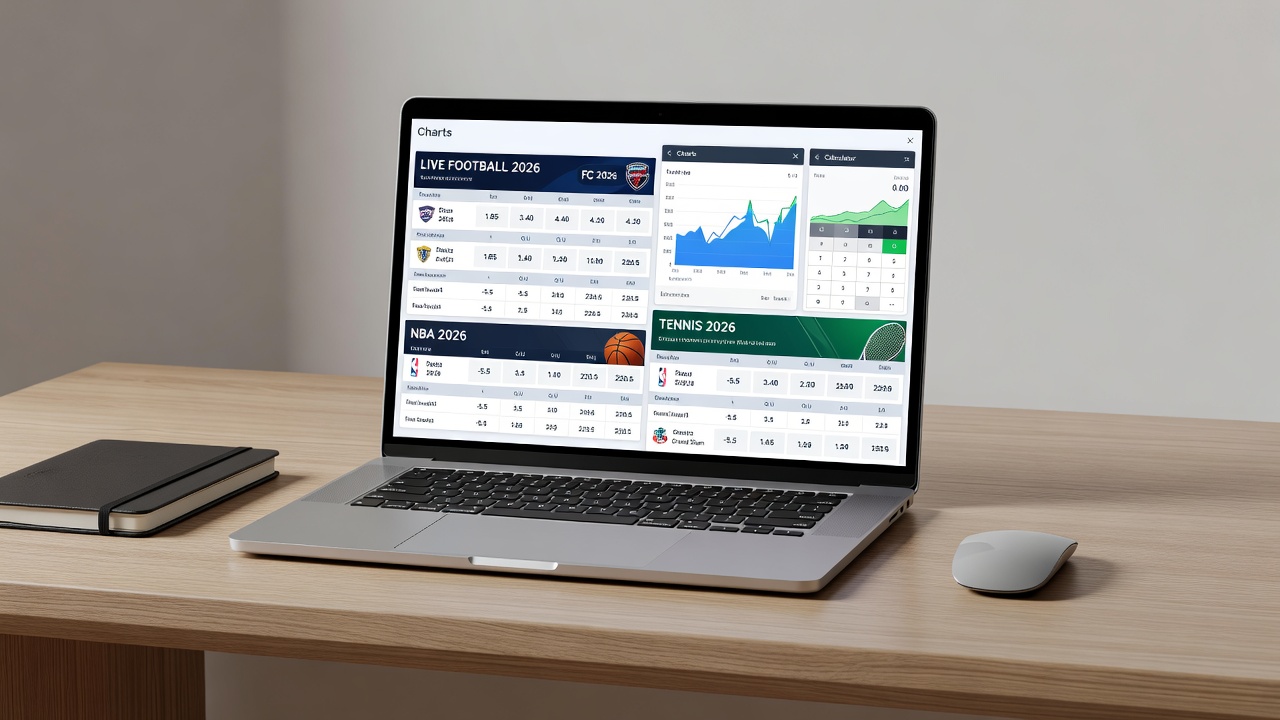
Integrate hedging into a broader bankroll strategy by setting aside a dedicated portion for protective bets. Use spreadsheets or dedicated betting calculators to track original stakes, hedge amounts, and final locked returns. Many professional bettors review historical data from the 2026 season to refine their decision thresholds.
Recommended resources include official league sites for real-time statistics that influence live odds.
Common Pitfalls and How to Avoid Them
Many bettors hedge too early, sacrificing value, or miscalculate stakes and end up with guaranteed losses. Always recalculate using current odds and include any cash-out fees. Track every hedge in a spreadsheet to measure long-term results. Another frequent error is ignoring correlated markets, such as hedging a moneyline while overlooking total points lines that move in tandem.
Frequently Asked Questions
Is hedging legal?
Yes, hedging is simply placing multiple legal bets. Check local regulations via the UK Gambling Commission.
Does hedging guarantee profit?
No. Poor timing or miscalculated stakes can still result in small losses. The goal is risk reduction, not guaranteed wins.
Which sport is best for beginners?
Tennis, because of its straightforward set structure and slower pace between points.
How many times should you hedge in one event?
Usually once or twice. Excessive hedging erodes profits through repeated margin costs.
Can hedging be used with accumulators?
Yes. Cash out or hedge individual legs once they become secure to protect the overall return.
Conclusion
Hedging is a powerful tool for 2026 bettors who value consistency over home-run wins. By applying the step-by-step methods outlined for football, NBA, and tennis, you can protect profits while maintaining a disciplined approach. Practice with small stakes first and always verify current odds before executing any hedge. Combine these techniques with sound bankroll management to build sustainable long-term results across all three sports.

No comments yet. Be the first!