 GambleLore
Introduction: The New Era of Social-Driven Betting Markets
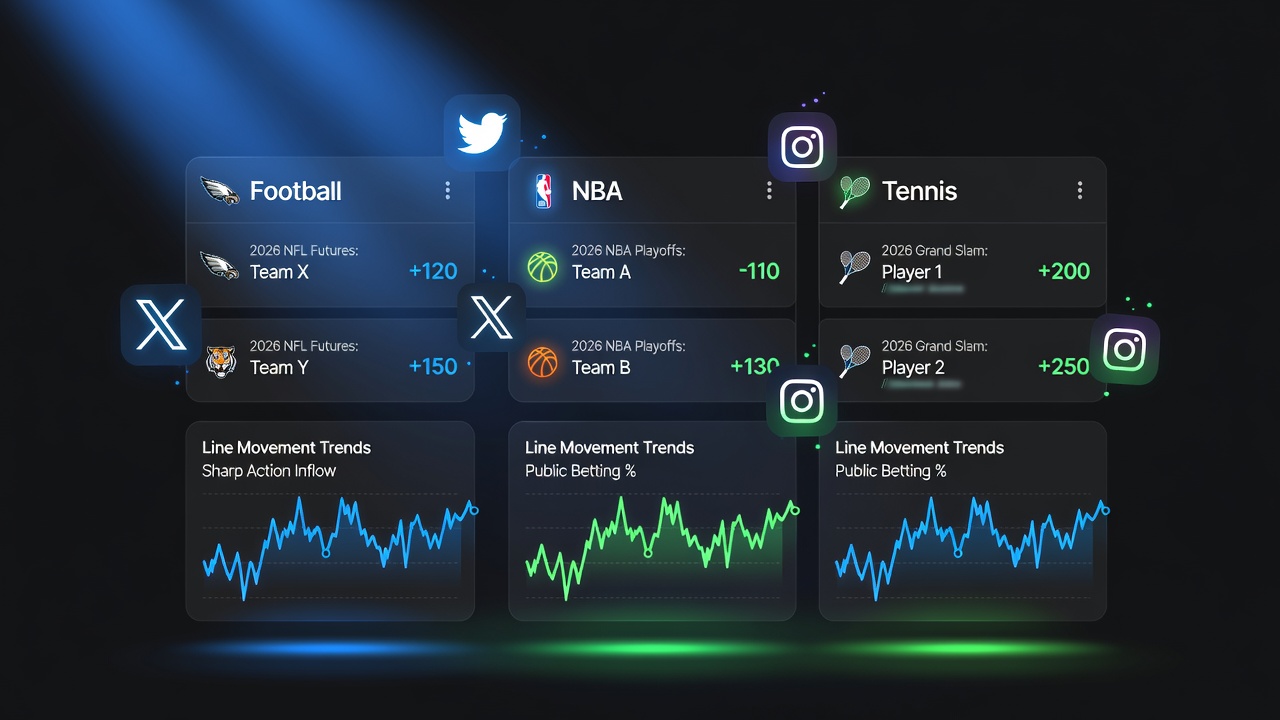
In 2026, betting odds for football, NBA, and tennis no longer move solely on statistics, injuries, or form. Real-time conversations on platforms like X and Instagram now trigger rapid line shifts as hype, outrage, and viral narratives spread among millions of bettors. This phenomenon has transformed how oddsmakers and sharp bettors operate, creating both opportunities for value and risks of herd mentality. Bettors seeking unconventional edges must now blend traditional analysis with social sentiment tracking to stay ahead. This article explores how social sentiment creates opportunities and pitfalls, offering practical monitoring methods, sport-specific insights, detailed case studies, and risk mitigation strategies for sharper decisions in the current landscape.
Understanding Hype Cycles That Move Betting Lines
Social media accelerates information flow, turning minor events into market-moving stories within hours. A single viral post can shift public perception of a player's motivation or a team's morale, prompting oddsmakers to adjust spreads preemptively. Bettors who track these cycles early often identify value before lines fully react. Hype cycles typically follow a pattern: an initial trigger event such as a controversial interview or injury rumor gains traction through shares and comments, reaches peak velocity when influencers amplify it, and then either fades or solidifies into a dominant narrative that forces line movement. In 2026, algorithms on major platforms prioritize emotionally charged content, which means betting-related discussions often escalate faster than verified news. Understanding the lifecycle of these cycles allows bettors to anticipate when a line is likely to overcorrect due to temporary sentiment rather than fundamentals.
Key Drivers of Social Influence
- Player controversies and off-field drama that dominate timelines for days
- Team announcements amplified by influencers with millions of followers
- Fan campaigns that create false consensus around underperforming athletes
- Memes that exaggerate performance narratives and spread across multiple sports communities
- Real-time reactions during live events that compound into post-match betting surges
These elements combine to create temporary inefficiencies in the market, especially in high-profile matches across football, NBA, and tennis.
Step-by-Step Methods to Monitor Social Signals for Value Bets
Successful bettors in 2026 use structured approaches rather than random scrolling. Follow this process to turn noise into actionable data:
- Set up alerts for key hashtags and accounts on X using advanced search filters that include specific player names, team handles, and betting-related keywords to catch emerging discussions early.
- Track engagement velocity on Instagram Reels and Stories related to upcoming fixtures by monitoring view counts, comment sentiment, and share rates over short time intervals.
- Cross-reference sentiment spikes with official injury reports from sources like FIFA and cross-check against league medical updates to separate rumor from fact.
- Quantify volume by noting post counts and follower interactions over 2-4 hour windows, then compare against historical baselines for similar events to identify anomalies.
- Compare social momentum against closing line movement from multiple sportsbooks to confirm whether public betting is driving the shift or if sharp money is countering it.
- Document patterns in a personal log to refine your monitoring over multiple weeks and improve accuracy in future markets.
This method helps isolate genuine value bets from herd-driven overreactions while building a repeatable system for ongoing use.
Sport-Specific Comparisons of Social Media Impact
Each sport responds differently to online chatter due to roster sizes, match frequency, and fan culture. Football markets tend to react strongly to transfer rumors and managerial changes because global fanbases are highly engaged on social platforms. NBA lines shift quickly on load management debates and trade speculation, often overemphasizing resting patterns in high-stakes games. Tennis odds adjust the fastest of the three because individual player narratives travel rapidly, with mental state and form discussions directly influencing outright and match winner markets. Comparative analysis shows tennis lines can move within minutes of a viral clip, NBA requires moderate thresholds before significant adjustment, and football markets demand larger sentiment volume due to the team dynamic. Bettors should tailor their monitoring intensity accordingly, focusing more on visual platforms for tennis and real-time text discussions for NBA and football.
Football (Soccer) Deep Dive
In football, social media often amplifies stories around star players in major leagues. A viral video of a defender arguing with fans can temporarily inflate opponent goal totals before the line stabilizes. Monitoring club-specific hashtags during transfer windows reveals early signals that oddsmakers later incorporate.
NBA Deep Dive
NBA bettors benefit from tracking player podcasts and Instagram lives where athletes discuss motivation. These unfiltered moments frequently precede line movements on player props, especially when combined with team performance narratives.
Tennis Deep Dive
Tennis markets are particularly sensitive to post-match press conferences. A single comment about fatigue or rivalries can swing futures odds dramatically, making immediate social listening essential for live betting opportunities.
Case Studies of High-Profile Player Controversies
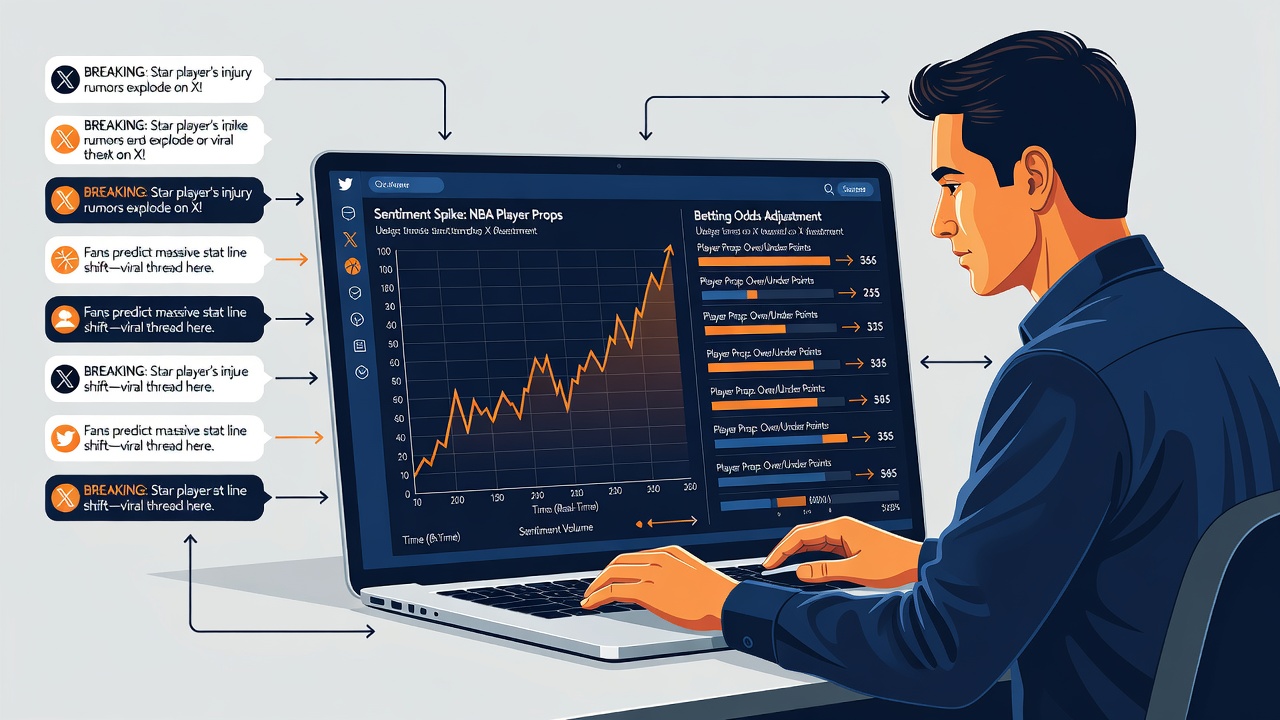
Consider a 2026 NBA star whose social media feud with a teammate went viral overnight. Early bettors who noticed the rising negative sentiment on X secured under bets on team performance before oddsmakers widened the spread by four points. In tennis, a player's controversial comment about an opponent sparked widespread discussion on Instagram, shifting moneyline odds by several points within 90 minutes and creating value on the underdog. Football examples include fan-driven campaigns against underperforming strikers that temporarily inflated opponent win probabilities by two goals in the betting markets. Another case involved an NBA load management rumor amplified by a popular podcast clip, leading to overreaction on totals that contrarian bettors exploited successfully. These cases highlight the need for rapid but disciplined monitoring combined with verification against box scores and historical trends. Bettors who acted within the first hour of the controversy consistently found better prices than those waiting for mainstream coverage.
Actionable Monitoring Tools and Risk Mitigation Strategies
Modern tools include sentiment analysis dashboards, real-time hashtag trackers, and API integrations that flag unusual activity across platforms. Always verify social signals against multiple sources such as NBA official site and ATP Tour for tennis. Maintain strict bankroll discipline to avoid chasing emotional trends. Set predefined thresholds for entering bets only when social momentum diverges from established metrics by at least 15-20 percent. Diversify across leagues to reduce exposure to single-sport echo chambers. Additional practices include using muted keyword lists to filter out bot activity and reviewing historical social data from similar past events to calibrate expectations. Risk mitigation also involves recognizing when social hype aligns with actual performance data, in which case the line movement may be justified rather than an opportunity.
Frequently Asked Questions
How quickly do social trends affect odds?
Movement can begin within 30-60 minutes of a major viral post, though full adjustment often takes 3-6 hours depending on the sport and market liquidity.
Can social media create false value?
Yes, herd mentality frequently pushes lines too far in one direction, creating counter-opportunities for contrarian bettors who wait for stabilization.
What platforms matter most in 2026?
X remains dominant for real-time discussion, while Instagram drives visual narratives and younger audiences through short-form video content.
How should beginners start monitoring without overwhelm?
Focus on one sport and three key accounts initially, gradually expanding as patterns become familiar over several weeks of practice.
Conclusion
Social media has permanently altered how betting markets form in football, NBA, and tennis. By combining structured monitoring with sport-specific knowledge and risk controls, bettors can exploit these dynamics responsibly while avoiding common traps. Stay informed, stay disciplined, and treat social signals as one data point among many for long-term success.
No comments yet. Be the first!