 GambleLore

Introduction to Hybrid Betting in 2026
Intermediate bettors often seek edges beyond single-discipline approaches. Hybrid betting strategies merge sports betting tactics with horse racing methods to create diversified winning approaches. This integration leverages value identification and odds interpretation across both fields, helping manage variance while pursuing consistent returns. By 2026, major events in football, basketball, and thoroughbred racing offer fresh opportunities for cross-category analysis. Bettors who master these hybrids gain resilience against market fluctuations and public bias. The approach is particularly effective for those tired of the limitations inherent in focusing solely on team sports or equine contests. Instead of treating these as isolated pursuits, successful hybrids treat them as complementary data sources that can offset weaknesses in one area with strengths in another.
Understanding the shared language of probability and implied value forms the foundation. Without this, attempts to combine disciplines often lead to inconsistent results. The 2026 calendar features overlapping schedules that reward careful planning, such as simultaneous European football leagues and American racing meets.
Core Principles: Value Identification and Odds Interpretation
Successful hybrid strategies begin with shared fundamentals. Value betting requires spotting wagers where implied probabilities undervalue true outcomes. In sports, this might involve analyzing team form, injuries, and weather. Horse racing adds variables like track conditions, jockey performance, and pace maps. Odds interpretation demands converting decimal or fractional odds into probabilities accurately. Cross-referencing these across disciplines reveals mispricings. For instance, a soccer match line might correlate with a horse's closing odds in a same-day parlay structure. Bettors should always calculate expected value using the formula (probability multiplied by decimal odds) minus one. When this figure is positive across both categories, the hybrid edge strengthens. Public perception heavily influences both markets, creating repeatable inefficiencies that disciplined analysis can exploit.
Step-by-Step Hybrid Strategy Build
Follow this structured process to construct your approach:
- Define bankroll allocation: Split capital 60/40 between sports and racing based on historical edge data, then rebalance monthly according to performance metrics.
- Research overlapping markets: Identify events on the same day where statistical models intersect, such as a Premier League fixture and a major stakes race.
- Calculate combined probabilities: Use independent models then adjust for correlation factors like public bias or shared weather impacts.
- Execute staggered entries: Place initial bets early for value, then hedge with in-play adjustments once live data becomes available.
- Review and iterate: Track results weekly to refine weightings and discard underperforming combinations.
- Monitor external factors: Incorporate injury reports, trainer comments, and line movement from multiple books to confirm edges before committing larger stakes.
This method reduces single-event risk while amplifying edges from both domains. Each step builds on the previous one, creating a repeatable framework rather than isolated guesses.
Real-World Examples from Major 2026 Events
Consider the 2026 Kentucky Derby paired with NBA playoffs. A bettor might back a favorite horse at 3-1 while layering a value underdog in basketball. Historical patterns show that when Derby morning-line favorites underperform, correlated sports markets often present overlays. Another case: The 2026 FIFA World Cup group stage alongside Royal Ascot. Hybrid portfolios targeting English teams and UK-trained horses exploit regional sentiment biases in odds. A third example involves March Madness brackets combined with the Dubai World Cup card. Bettors who model both college basketball efficiency ratings and equine speed figures can identify days where one market's overreaction creates opportunities in the other. These examples illustrate how timing and thematic links between events generate compounded edges that single-category bettors miss.
Comparing Risk Profiles Across Disciplines
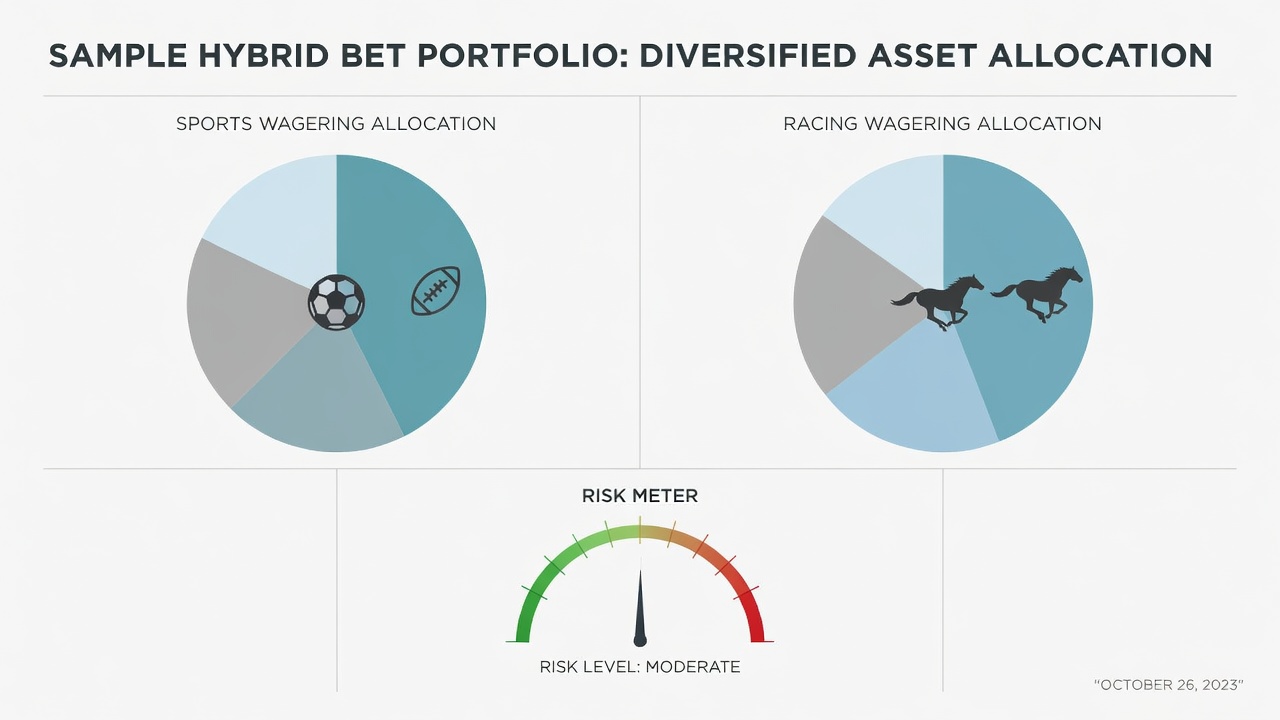
Sports betting typically features lower variance due to larger sample sizes and more predictable team metrics. Horse racing carries higher volatility from smaller fields and variable track biases. Hybrids balance these by offsetting racing swings with sports stability. Key differences include liquidity—sports books offer more live options—and information asymmetry, where racing insiders hold advantages. Mitigation involves strict staking rules and avoiding correlated losses on the same day. Diversification also protects against regulatory changes affecting one market more than the other. Bettors should measure risk using standard deviation of returns rather than simple win rates, as this reveals true portfolio stability over time.
Sample Bet Portfolios for 2026
A balanced weekly portfolio might include two NFL spreads at +110 or better for value, one exacta box in a graded stakes race targeting 4-1 to 8-1 horses, and a cross-sport accumulator blending a soccer draw with a horse win. Adjust sizing dynamically by reducing racing exposure after poor track conditions reports. Another sample could feature an NBA moneyline paired with a place bet on a European turf horse, sized proportionally to each market's historical hit rate. Always document every leg of the portfolio with entry odds, stake amounts, and rationale to facilitate later analysis.
Common Mistakes to Avoid
Many beginners over-correlate events that share no statistical relationship, leading to amplified losses. Others ignore closing line value and chase early odds without confirming movement. Failing to maintain separate tracking sheets for each discipline often masks which side of the hybrid is underperforming. Avoid emotional adjustments after a single bad racing result by sticking to pre-defined allocation rules. Finally, neglecting to account for vig differences between sportsbooks and racetrack takeout rates can erode the overall edge even when individual selections appear strong.
Advanced Tools and Data Sources
Successful hybrids rely on reliable data feeds. Combine sports analytics platforms with equine past-performance databases. Automated alerts for line movement across both categories save time and capture fleeting value. Spreadsheet templates that calculate combined expected values help quantify whether a proposed hybrid meets minimum thresholds before placement.
Addressing Integration Challenges: FAQ
How do I handle different time zones for events?
Prioritize US and European overlaps, using automated alerts for odds movement and maintaining a master calendar of key fixtures.
What tools help track hybrid performance?
Spreadsheet models or dedicated apps logging win rates per category and overall portfolio return provide the clearest picture of progress.
Is bankroll management different in hybrids?
Yes—use Kelly Criterion variants adjusted for cross-discipline correlation to avoid overexposure during simultaneous losing streaks.
Can I apply the same staking plan to both sides?
Adapt units based on each market's typical variance; racing often requires smaller unit sizes to compensate for higher volatility.
Conclusion
Hybrid betting strategies deliver diversified edges for intermediate players in 2026. By mastering value, odds, and structured portfolios, bettors create sustainable systems. Always gamble responsibly and review official UK government resources for the latest regulations. Explore further at Olympic official site for sports insights and FIFA resources on global football trends.


No comments yet. Be the first!