 GambleLore
Introduction to Fairness Algorithms in Casino Reviews
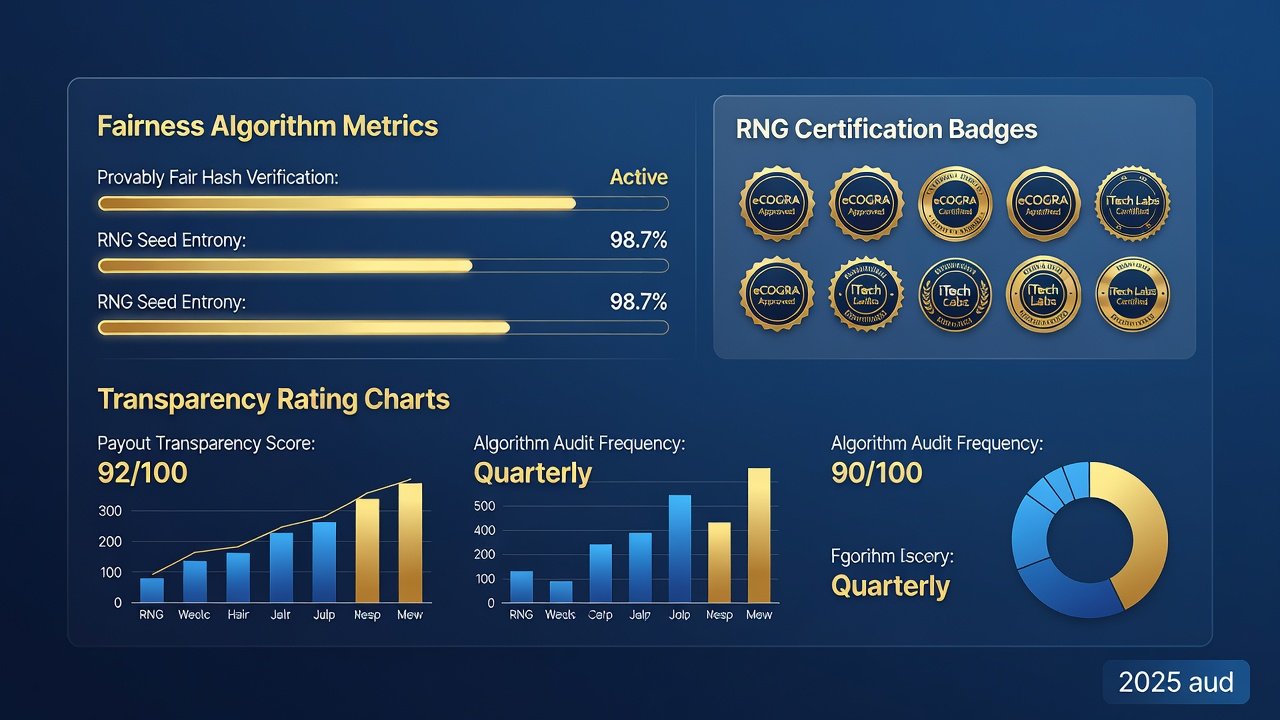
In 2026, players demand more than flashy games and generous bonuses from online casinos. They want verifiable proof that outcomes are truly random and fair. Fairness algorithms form the backbone of modern casino reviews, directly influencing transparency ratings and player trust. These systems rely on Random Number Generators (RNGs) tested through rigorous certification and independent audits. Understanding these elements helps players select reliable platforms that meet high standards for integrity. Transparency ratings now weigh heavily in expert evaluations because they reveal how openly a casino shares its testing data. Casinos that publish audit reports from reputable bodies tend to score higher, encouraging responsible play and long-term loyalty. As the online gambling industry grows, regulators and reviewers emphasize algorithmic fairness to combat concerns over hidden biases or manipulated results that could disadvantage players over time.
Understanding RNG Certification and Its Role
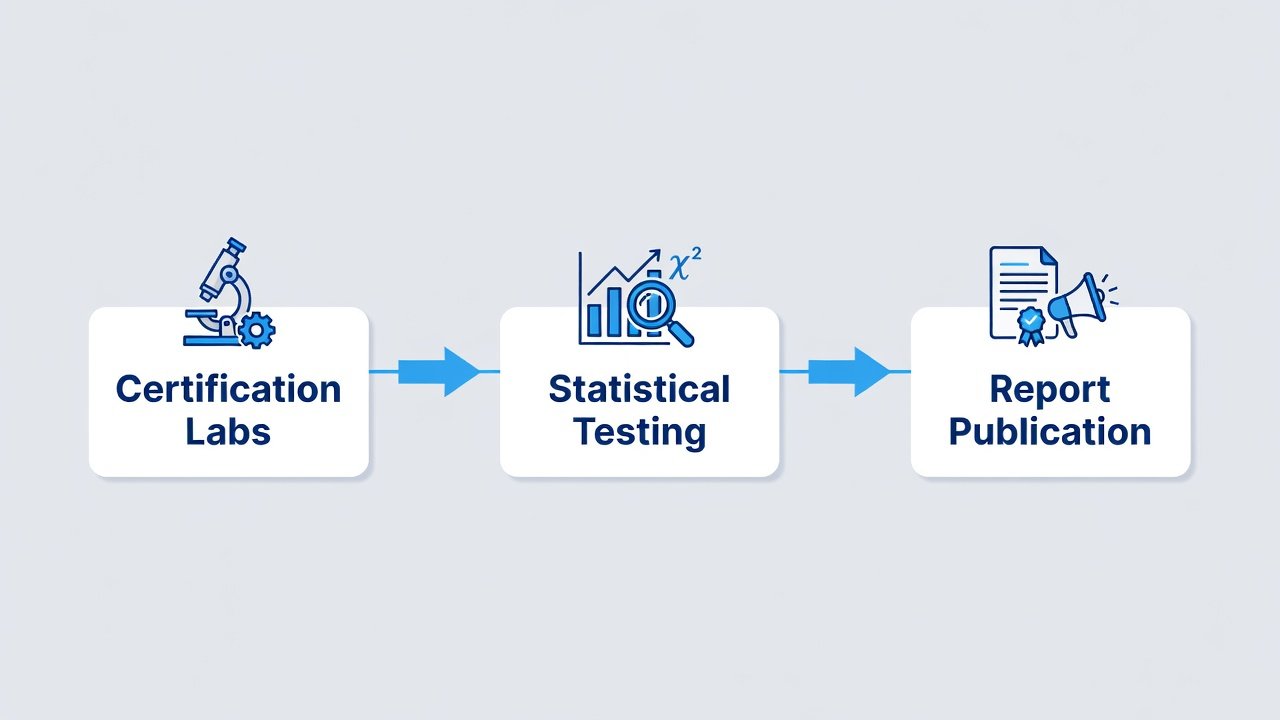
Random Number Generators ensure every spin, card deal, or dice roll remains unpredictable. Certification involves third-party labs verifying that algorithms meet statistical standards for randomness. Without proper certification, a casino risks inflated win rates or manipulated results that undermine player confidence. Key certification bodies include eCOGRA and iTech Labs, which test for uniformity, unpredictability, and resistance to bias. Reviews in 2026 frequently highlight whether a site displays current certificates, as outdated ones can signal lapses in oversight. Certification processes typically involve millions of simulated game rounds analyzed for statistical anomalies, ensuring return-to-player percentages align with advertised figures. This rigorous approach protects both players and operators by establishing a baseline of trust that extends beyond marketing promises.
Regulatory Oversight in 2026
Beyond independent labs, regulatory bodies play a crucial role in enforcing fairness standards. Jurisdictions such as the United Kingdom and Malta require licensed operators to maintain ongoing RNG compliance. The UK Gambling Commission mandates regular testing and public disclosure of results for many operators. Similarly, the Malta Gaming Authority oversees European-facing sites with strict audit requirements. Reviews often cross-reference these regulatory standings with algorithm claims to provide a fuller picture of a casino's commitment to transparency. Players should note that regulatory changes in 2026 have increased focus on real-time monitoring tools that flag potential deviations instantly.
Comparing Major Algorithm Providers
Leading software providers approach fairness differently. NetEnt and Microgaming use proprietary RNGs audited annually, while Evolution Gaming emphasizes live dealer transparency through visible shuffling mechanisms. Pragmatic Play focuses on blockchain-based verification options in select titles. Reviews compare these by examining audit frequency, report accessibility, and any past compliance issues. For instance, providers with multi-jurisdictional certifications often earn higher marks because they demonstrate adaptability to varying global standards. Players benefit from cross-referencing provider claims against independent sources. Casinos powered by providers with consistent clean audits frequently receive higher transparency scores, leading to better overall ratings in comprehensive 2026 reviews.
Real-World Examples of Audit Reports
Consider a typical 2025 audit from a major operator: the report might detail millions of simulated spins showing deviation rates below 0.01 percent. Another example involves a live casino where camera feeds and shuffle algorithms were inspected for real-time fairness. These reports, when publicly available, boost a casino’s rating significantly. Reviews often link to or summarize such documents, helping readers gauge authenticity. Sites that withhold full reports tend to rank lower regardless of promotional offers. In one documented case, an operator improved its transparency rating after publishing quarterly iTech Labs results, which included detailed entropy tests and sequence analysis. Such examples illustrate how concrete data influences player decisions and industry benchmarks.
How Fairness Affects Bonus Eligibility
Many welcome bonuses and ongoing promotions include wagering requirements tied to game fairness. Casinos with certified RNGs are more likely to allow bonus play across a wider range of titles without restrictions. In contrast, platforms lacking transparency may limit bonuses to specific low-volatility games to control payout ratios. Reviews evaluate this connection by checking terms and conditions against audit status, giving players clearer guidance on where bonuses offer genuine value. Understanding these links prevents disappointment when bonus funds cannot be used on preferred high-variance slots due to unverified algorithms.
Common Pitfalls in Evaluating Algorithm Claims
Players often overlook outdated certificates or fail to verify auditor credentials. Another mistake is relying solely on in-house testing claims without third-party confirmation. Reviews highlight these pitfalls to guide users toward more reliable evaluation methods. For example, some casinos display generic seals that lack verifiable links, leading to lower transparency scores. Avoiding these errors ensures selections are based on solid evidence rather than surface-level marketing.
Step-by-Step Guide to Verifying Algorithm Claims
- Locate the casino’s footer or responsible gaming section for certification logos and note the issuing body.
- Click through to the auditor’s website and confirm the report date matches recent activity, ideally within the past six months.
- Review statistical summaries for key metrics like return-to-player percentages and any noted deviations.
- Cross-check player forums and regulatory databases for complaints about rigged outcomes or unresolved disputes.
- Compare findings with multiple review sites to identify consistent transparency patterns across sources.
- Examine the provider’s own documentation for additional context on algorithm updates or patches.
- Document your findings in a personal checklist to track changes over time for favorite platforms.
Following these steps empowers players to make informed decisions beyond marketing claims and builds a habit of due diligence.
Practical Tips for Selecting Casinos in 2026
Prioritize sites displaying up-to-date RNG certificates from recognized labs. Look for transparency ratings above 90 percent in comprehensive reviews. Always verify bonus terms align with certified game libraries. Avoid platforms that obscure audit details or rely solely on in-house testing. Regularly revisit review updates, as certification can change. Resources like the UK Gambling Commission provide regulatory insights, while eCOGRA offers independent fairness seals. Additionally, checking the Malta Gaming Authority site helps confirm licensing status for many popular operators. Combining these resources creates a robust selection framework that balances entertainment with security.
Frequently Asked Questions
What is an RNG and why does it matter?
An RNG produces random results for casino games. Certified RNGs ensure fairness, protecting players from manipulation and building long-term trust in the platform.
How often should audits occur?
Reputable casinos undergo testing at least annually, with some opting for quarterly reviews to maintain high transparency ratings and adapt to evolving standards.
Can I trust blockchain verification?
Blockchain adds an extra layer of transparency but still requires third-party RNG certification for full reliability and regulatory acceptance.
Do all bonuses require certified games?
Most reputable sites restrict bonuses to certified titles to comply with fairness standards and regulatory expectations, reducing risk for players.
What happens if an audit reveals issues?
Operators must address findings promptly, often resulting in temporary game suspensions until fixes are verified and re-certified by the lab.
Conclusion
Fairness algorithms and transparency ratings have become essential benchmarks in 2026 casino reviews. By understanding RNG certification, comparing providers, and following verification steps, players can confidently choose trustworthy casinos that prioritize integrity alongside entertainment. This informed approach leads to safer, more enjoyable gaming experiences across the evolving online landscape.


No comments yet. Be the first!