 GambleLore

Introduction
Online casino ratings and reviews play a pivotal role in shaping player decisions, especially as the digital gambling landscape evolves in 2026. Players frequently turn to aggregated scores, written testimonials, and detailed breakdowns when choosing where to play, yet few pause to consider the underlying psychological mechanisms that guide their interpretations. Understanding these factors is essential for making objective choices rather than falling prey to mental shortcuts. This comprehensive guide examines cognitive biases such as confirmation bias and anchoring, emotional triggers embedded in review language, the power of social proof in testimonials, and practical frameworks for evaluation. By exploring real-world examples from leading casino platforms and comparing various review formats, readers will gain tools to navigate ratings more effectively. The goal is to empower informed decisions that prioritize verified facts over instinctive reactions.
Cognitive Biases Affecting Rating Interpretation
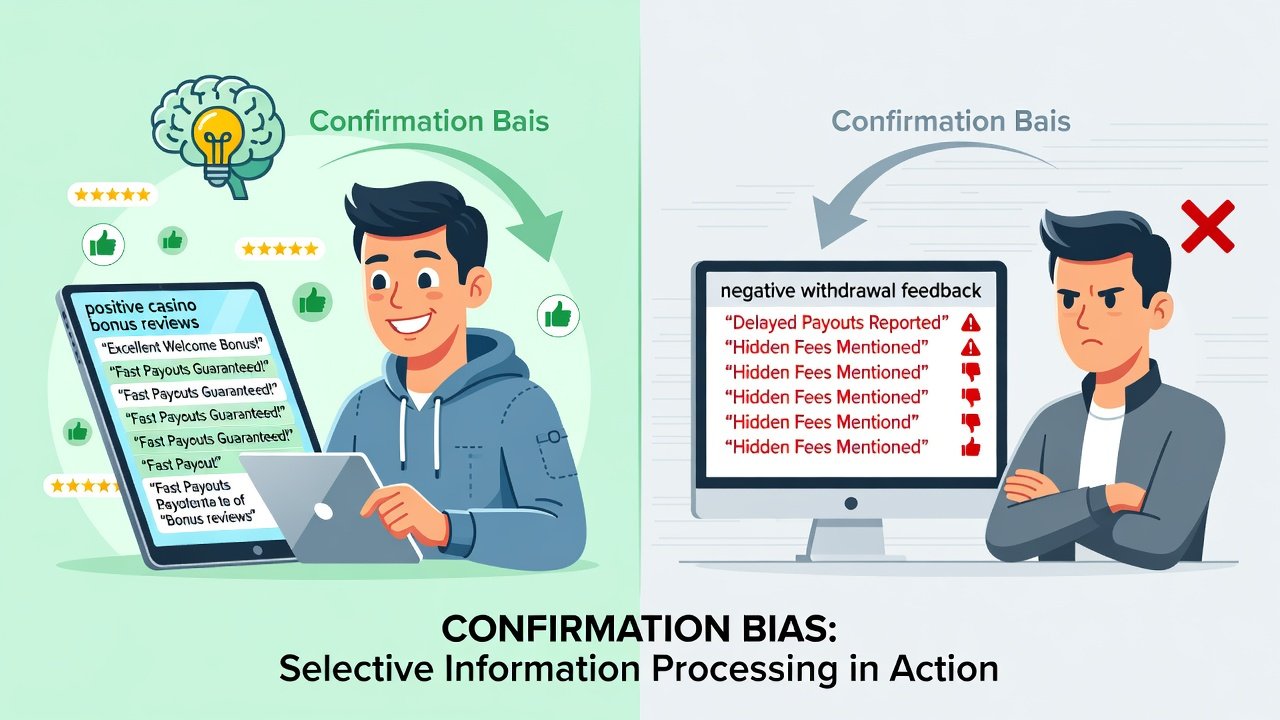
Confirmation bias stands out as one of the most pervasive influences on how players process casino ratings. Individuals naturally seek out and emphasize information that supports their existing beliefs while downplaying contradictory evidence. For example, a player convinced that a particular bonus offer is generous may focus exclusively on positive comments about payout speed and ignore repeated complaints about hidden wagering requirements. This selective attention distorts the overall picture presented by reviews. Availability heuristic compounds the issue by making recent or emotionally charged testimonials appear more representative than statistical reality warrants. A single dramatic story of a massive jackpot can overshadow dozens of neutral or negative experiences. Anchoring bias occurs when the first rating encountered establishes an inflexible reference point; subsequent scores are then judged relative to this initial anchor rather than on their own merits. Recency bias further skews perceptions, causing players to overweight the most recent reviews even if older feedback reflects more consistent patterns over time. Research from the American Psychological Association underscores how these biases operate unconsciously, leading gamblers to misjudge platform reliability and fairness. Awareness of these patterns represents the first step toward mitigation.
Emotional Triggers in Casino Ratings
Review language often contains deliberate emotional cues designed to provoke immediate reactions. Words evoking excitement, such as "life-changing wins" or "exclusive VIP treatment," activate reward pathways in the brain similar to those stimulated during actual gameplay. Conversely, fear-based phrases like "scam alerts" or "funds held hostage" trigger avoidance instincts that may cause players to dismiss otherwise viable options. FOMO, or fear of missing out, is frequently leveraged through time-sensitive bonus mentions that pressure quick decisions without thorough investigation. Trust signals, including phrases highlighting "licensed and regulated" status, can create a false sense of security if not cross-verified. These emotional responses bypass rational analysis, prompting impulsive registrations or deposits. Players who recognize these triggers can implement a mandatory cooling-off period before acting on any review. By separating affective language from factual claims about game selection, customer support response times, and withdrawal processes, individuals develop greater resilience against manipulation.
Social Proof and Player Testimonials
Testimonials serve as potent forms of social proof, leveraging the psychological tendency to conform to perceived group consensus. When numerous players report positive experiences with a casino's loyalty program or game variety, newcomers interpret this volume as validation of quality. However, the prevalence of incentivized or fabricated reviews undermines this reliability. Sophisticated operators may seed platforms with glowing accounts that lack specific, verifiable details. Studies documented by the National Institutes of Health demonstrate that uncertain environments like online gambling amplify reliance on peer opinions. Effective countermeasures include prioritizing reviews that cite concrete metrics, such as exact withdrawal durations or support ticket resolution times, and consulting multiple independent aggregators. Cross-referencing with regulatory databases further strengthens objectivity. Understanding the mechanics of social proof enables players to value authentic patterns over manufactured consensus.
Comparing Different Review Formats
Star-based rating systems deliver rapid visual overviews but sacrifice depth, often failing to differentiate between casinos with identical scores yet vastly different strengths in areas like mobile optimization or live dealer variety. Written reviews supply narrative context and personal anecdotes yet introduce subjectivity from the author's preferences. Video formats enhance perceived authenticity through screen recordings of gameplay but frequently prioritize entertainment value over systematic analysis. Category-specific numerical breakdowns, covering bonuses, security, support, and game library separately, facilitate direct comparisons across operators. Hybrid approaches that combine these elements tend to yield the most balanced insights. Players should experiment with multiple formats during research to identify which best aligns with their priorities.
Practical Steps for Objective Evaluation
Developing a systematic evaluation process counters psychological influences effectively. Begin by compiling reviews from at least five distinct sources, including regulatory summaries and independent forums. Next, identify recurring themes rather than isolated incidents, noting both strengths and weaknesses mentioned across multiple accounts. Always verify bonus terms, payout percentages, and licensing claims directly on the casino's official site and relevant authority pages. Assess reviewer credibility by examining posting history, expertise indicators, and potential conflicts of interest. Utilize rating aggregators that apply weighted criteria based on licensing status, security certifications, and user volume. Implement a personal scoring rubric that assigns points for transparency, game fairness, and support quality while subtracting for unresolved complaints. Finally, maintain a decision journal documenting the rationale behind each choice to review later for bias patterns. These steps promote consistent, evidence-based selections.
Real-World Examples from Top Casinos
Established platforms frequently excel in transparency sections of reviews, detailing licensing information and audited payout rates that reduce the impact of bias. Newer entrants may struggle with sparse testimonial volumes, heightening uncertainty and amplifying emotional responses to limited feedback. Aggregators highlighting consistent payout consistency versus those emphasizing user experience scores illustrate how format differences shape perceptions. In one case, a highly rated casino with strong bonus reviews later revealed restrictive terms that confirmation-biased players had overlooked. Such examples underscore the value of layered verification.
Mistakes to Avoid When Reading Ratings
Common errors include relying on a single source, dismissing negative reviews as outliers without investigation, and allowing visual design of review sites to influence credibility judgments. Overlooking the date of reviews can lead to outdated conclusions about evolving platform policies. Players should also avoid equating popularity with quality, as marketing efforts can inflate visibility without reflecting service excellence.
Frequently Asked Questions
Do high ratings guarantee fair play?
No, ratings aggregate opinions and feature evaluations but require independent verification against licensing from authorities such as the UK Gambling Commission or Malta Gaming Authority.
How can I spot fake reviews?
Watch for generic phrasing, absence of specific details, repetitive language across accounts, or sudden clusters of identical positive feedback. Authentic reviews typically reference personal interactions with games, support, or withdrawal experiences.
Does confirmation bias affect bonus evaluations?
Yes, players frequently emphasize attractive bonus amounts while minimizing attention to wagering requirements, game restrictions, and expiration dates that diminish actual value.
Are video reviews more trustworthy than written ones?
Not necessarily; while videos can demonstrate gameplay, they may omit critical analysis of terms and conditions or focus on highlight reels that misrepresent typical outcomes.
Should I trust ratings from casino comparison sites?
Only when the site discloses its evaluation methodology, avoids affiliate conflicts, and incorporates data from regulatory sources alongside user feedback.
Conclusion
Mastering the psychology behind casino ratings equips players with strategies to overcome biases, emotional triggers, and misleading social proof in 2026. Through deliberate application of objective evaluation methods and cross-verification techniques, individuals can select platforms that align with their needs while minimizing risks associated with impulsive decisions. This approach fosters sustainable and enjoyable gambling experiences grounded in clarity rather than cognitive distortion.

No comments yet. Be the first!